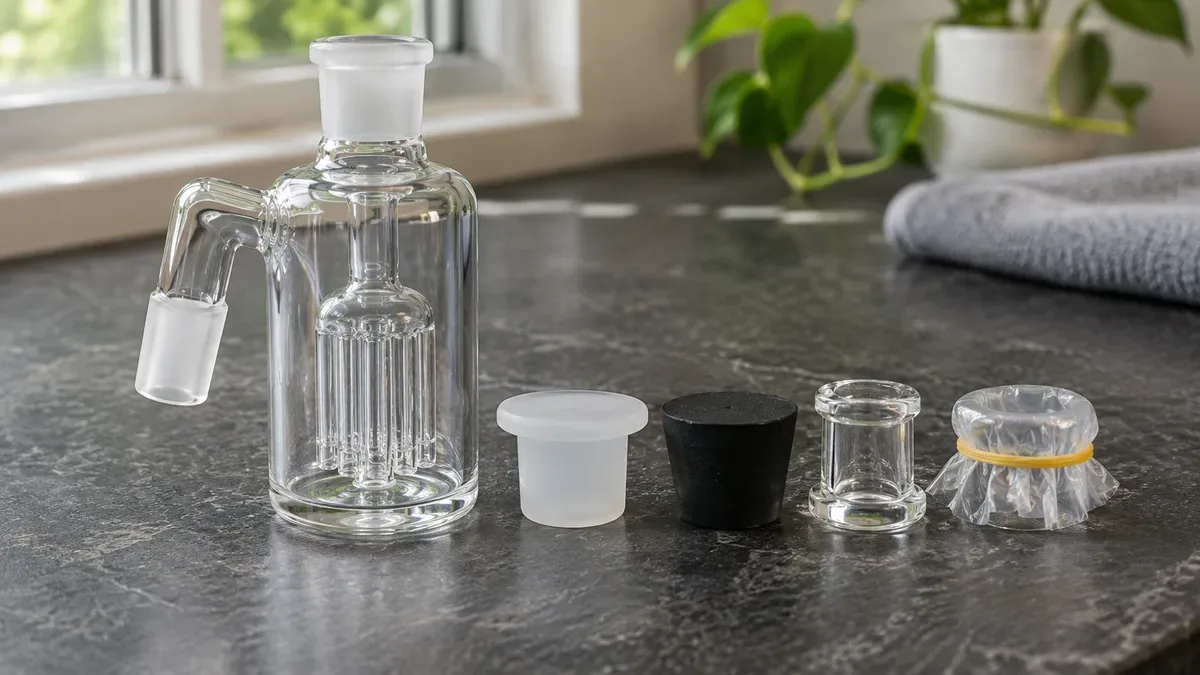
What can you use when an ash catcher cleaning cap disappears before a soak, rinse, or move? The best Ash catcher cleaning cap alternatives include silicone plugs, laboratory stoppers, glass adapter caps, and temporary covers. However, each option handles fit, chemicals, storage, and transport differently. An unsuitable cover may leak cleaner, loosen during shaking, or place pressure on delicate glass joints. This guide explains how to measure your ash catcher, choose a safe seal, clean it carefully, and store it without damage.
Ash Catcher Cleaning Cap Alternatives: What Works Best?
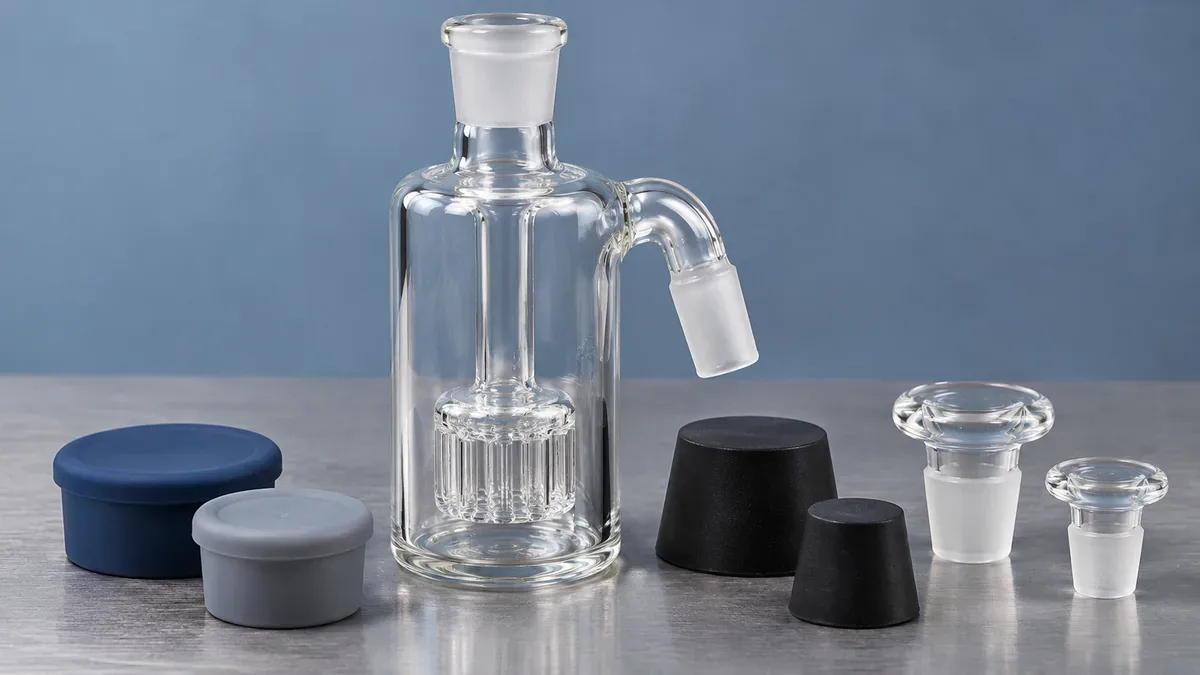
An ash catcher cleaning cap seals openings while you soak, rinse, shake, transport, or store the accessory. It helps keep cleaning solution inside the chamber. It also prevents dust, water, and residue from entering unused openings.
However, not every cap performs the same job. A cleaning cap usually prioritises chemical resistance and a secure seal. A storage cap may focus more on dust protection. Meanwhile, a plug designed for a joint or drain opening must match the opening’s exact size.
The most useful alternatives include reusable silicone caps, correctly sized rubber stoppers, glass downstem plugs, household temporary covers, and purpose-made replacement parts. Therefore, your best choice depends on the opening diameter, shape, glass thickness, and required seal strength.
| Option | Cost | Seal quality | Best use |
|---|---|---|---|
| Silicone cap | Low to moderate | Good and flexible | Regular cleaning and short storage |
| Rubber stopper | Low | Good when correctly sized | Cold cleaning and rinsing |
| Glass plug | Moderate | Very good when exact | Compatible glass joints |
| Plastic wrap or foil | Very low | Limited | Brief splash protection |
| Purpose-made replacement | Moderate | Usually best | Frequent cleaning and transport |
Cleaning caps, storage caps, and joint plugs
A cleaning cap must stay secure when liquid moves inside the ash catcher. In contrast, a storage cap may only need to block dust. A joint plug closes a specific connection, such as a downstem opening or drain port.
Therefore, a temporary cover may stop splashes but still allow air and liquid to escape. That difference matters during soaking, shaking, and transport. Choose an airtight or near-airtight seal whenever the piece contains liquid or cleaning solution.
You can also browse glass accessory categories for compatible cleaning and replacement options. Check the listed dimensions carefully before ordering any part.
Best Replacement Materials: Silicone, Rubber, Glass, and Temporary Covers
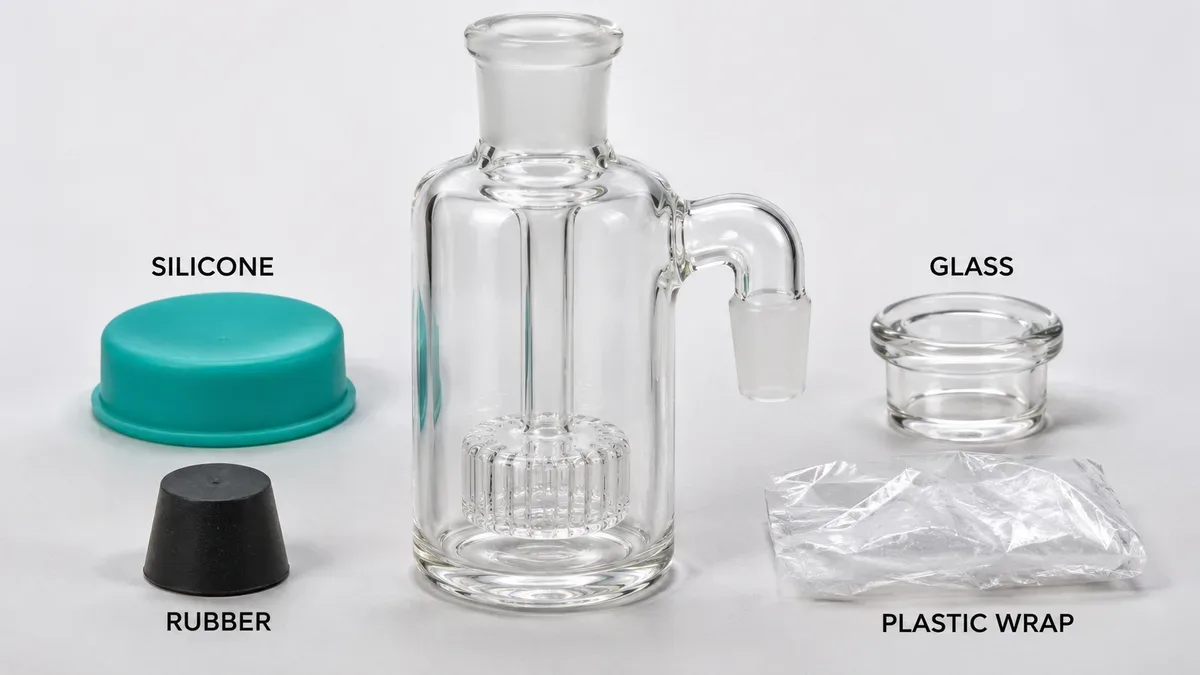
Reusable silicone caps offer the safest practical everyday alternative for most ash catchers. Silicone remains flexible, washes easily, and usually tolerates common glass cleaning solutions. It also handles small differences in rim shape better than rigid materials.
Additionally, a silicone cap works well when you clean the same accessory repeatedly. Its soft edge reduces the chance of scratching or chipping the glass. However, you should still confirm chemical compatibility before using strong or specialised cleaners.
Silicone caps for flexible, repeatable sealing
A silicone cap for an ash catcher suits uneven rims, flared openings, and short transport. The material can stretch slightly while maintaining contact around the edge. This flexibility makes it less likely to apply concentrated side pressure.
Look for a smooth, non-porous surface without cracks, strong odours, or sticky areas. Furthermore, wash the cap separately after each cleaning session. Replace it when it becomes brittle, swollen, permanently stretched, or difficult to clean.
Rubber and laboratory-grade stoppers
Correctly sized rubber stoppers can create a dependable seal during cold cleaning, rinsing, or storage. Laboratory-grade plugs are preferable because they usually have a smooth finish and clearer material specifications.
However, rubber quality varies widely. Choose a stopper designed for chemical contact, and check its compatibility with your cleaning solution. The stopper should fit snugly without forcing, twisting aggressively, or wedging deeply into the glass.
Are rubber stoppers safe for glass smoking accessories? They can work for cold cleaning and storage, but keep them away from heat and direct flame. Never heat an ash catcher while a rubber stopper remains fitted.
Glass plugs and temporary household covers
A glass downstem plug or universal glass adapter cap may work when its dimensions match exactly. Rigid glass provides a clean seal and resists many common cleaning products. Nevertheless, poor sizing can chip the rim or stress a delicate joint.
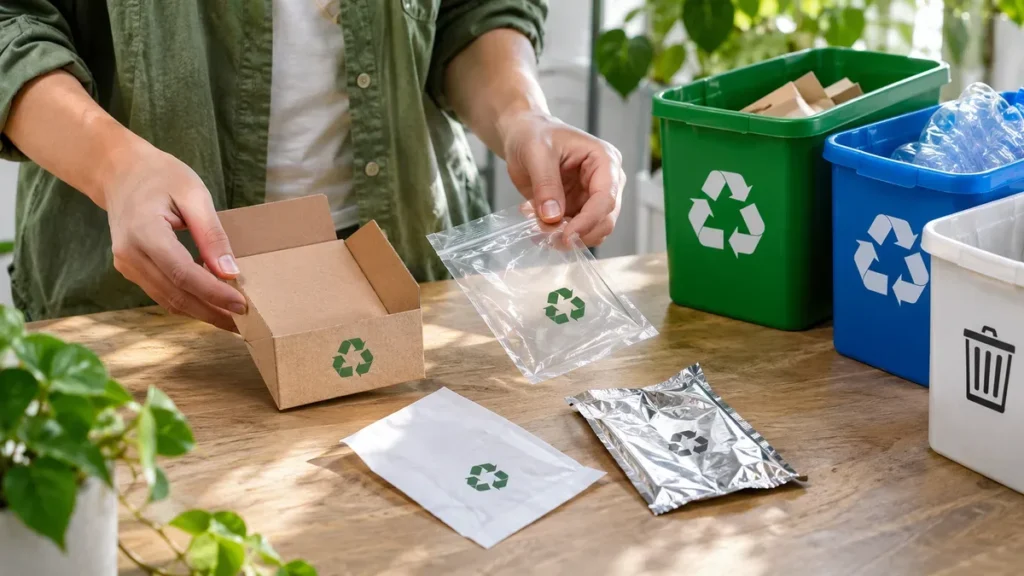
Plastic wrap, resealable bags, and aluminium foil can provide short-term splash protection. Meanwhile, they rarely create a reliable airtight seal. Use them only for brief rinsing, temporary storage, or an emergency move.
Avoid unknown plastics, porous cork, wood, adhesives, painted items, and sticky tape inside openings. Some materials soften, shed fibres, absorb cleaner, or react with alcohol-based solutions. For general cleaning guidance, review this glass accessory cleaning guide.
How to Measure an Ash Catcher Opening and Choose the Right Fit
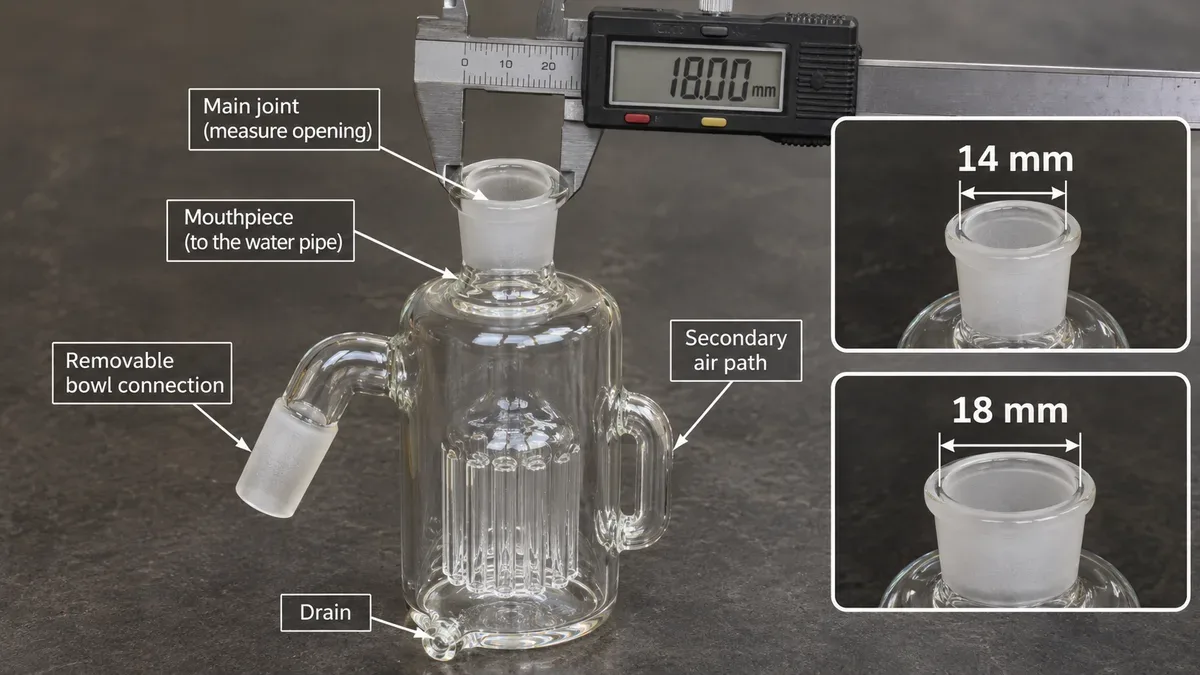
Start by identifying every opening that may need sealing. Check the main joint, drain, mouthpiece, removable bowl connection, and any secondary air path. A single uncovered opening can allow cleaner to escape during shaking.
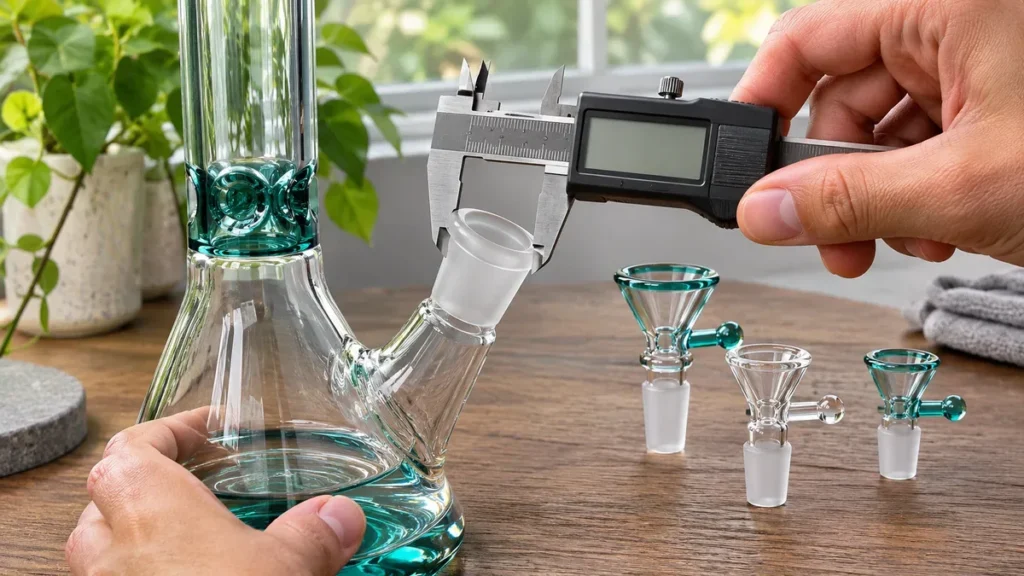
For an insert-style stopper, measure the opening’s inside diameter. For an over-the-rim cap, measure the outside diameter. Therefore, measuring the wrong surface can lead to a cap that feels close but never seals properly.
A digital caliper gives the most accurate result. Record each measurement in millimetres, and measure at least twice. If you only have a ruler, place it across the widest visible section and read carefully.
Common joint sizes include 14mm and 18mm. However, nominal joint size does not always equal the exact opening diameter. Glass thickness, tapering, manufacturing variation, and rim design can all change the fit.
Check the shape before ordering
Measure the opening at several points around the rim. This step helps identify tapered, flared, oval, or irregular shapes. If the measurements differ, choose a flexible cap or confirm the size with the retailer.
Next, test the cap or stopper while everything remains dry. It should sit firmly without wobbling, visible gaps, pinching, or excessive resistance. Never force a part into place, even if the difference seems small.
For example, a stopper that enters easily but rocks sideways may leak during shaking. In contrast, one requiring strong pressure may stress the glass joint. A gentle, stable fit provides the best balance between sealing and safety.
Before buying replacement ash catcher parts, verify the dimensions, material, intended use, and return policy. You can compare available accessories through the Sweet Puff Australia shop when the listed product details match your measurements.
How to Clean an Ash Catcher Without the Original Cap
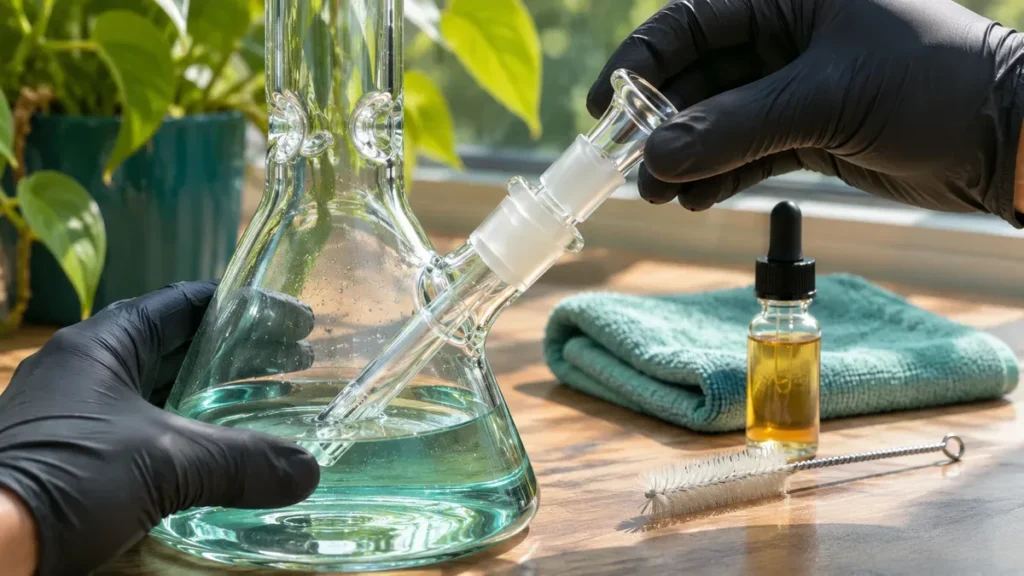
First, detach the ash catcher and remove any bowl or removable component. Empty loose debris into a suitable bin, then rinse with warm water if the glass manufacturer permits it. Avoid sudden temperature changes, which can stress glass.
Next, add an appropriate amount of glass cleaner. Do not overfill the chamber, because liquid needs space to move without reaching uncapped openings. Follow the cleaner manufacturer’s dilution, contact time, and handling instructions.
Seal, soak, and shake carefully
Seal every opening with a reusable silicone cap, correctly sized stopper, or suitable temporary cover. Use separate caps for separate openings. Then place the ash catcher upright in a tray or sink before moving it.
Check each seal before shaking. Afterward, support the glass with both hands and move it gently. Aggressive shaking can make internal glass sections collide or cause joints to strike a hard surface.
Soak the ash catcher only for the period recommended by the cleaning product. Meanwhile, monitor the seals for drips, swelling, loosening, or chemical odour. Stop immediately if a cover becomes unstable or the glass shows stress.
Rinse and dry every passage
Rinse repeatedly with warm water until no cleaner, residue, smell, or foam remains. Flush narrow passages and joints separately. A soft brush or suitable pipe cleaner can help reach stubborn areas without scraping the glass.
Finally, let the ash catcher drain completely. Allow every chamber and joint to air-dry before reassembly or storage. Moisture trapped under a cap can create odours and leave residue behind.
Work in a well-ventilated area, especially when using alcohol-based cleaner. Wear protective gloves and eye protection when the product label recommends them. Keep all cleaning products away from children, pets, heat, sparks, and open flames.
Temporary DIY Ash Catcher Caps for Short-Term Use
Plastic wrap can serve as an emergency ash catcher cap for a brief rinse or temporary move. Stretch several layers across the opening, then secure them with a rubber band or removable outer tie. Keep the tension even, and inspect the edges for gaps.
However, plastic wrap is not a dependable airtight seal. It may loosen when wet, tear against a sharp rim, or fail under movement. Therefore, never rely on it for long soaking, valuable glassware, or transport with liquid inside.
A resealable bag can cover a larger opening during brief storage. Fold the excess material around the rim, then secure it externally without pressing hard against the glass. Use a tray or padded container underneath in case the bag leaks.
Aluminium foil offers limited external splash protection. It can tear, loosen, and leave sharp edges around the opening. Additionally, foil rarely seals evenly enough for shaking or extended soaking.
Can you use a wine stopper or laboratory plug?
A wine stopper, test tube stopper, or laboratory plug may work if its dimensions and material suit the opening. The fit must remain gentle and stable. Never use a stopper that has contacted food, chemicals, dirt, or unknown contaminants.
Do not heat an improvised cover. Never use a covered ash catcher while attached to a hot water pipe. Keep plastic, rubber, foil, and bags away from flame and hot glass.
DIY covers are emergency solutions only. Replace them with a purpose-made accessory for repeated soaking, long-term storage, frequent transport, or valuable glassware.
- Do not force a stopper into a narrow opening.
- Do not leave cleaner against unsuitable materials.
- Do not use tape or glue inside an opening.
- Do not use porous cork, wood, or fabric.
- Do not skip the final rinse and drying stage.
Storage, Transport, Buying Advice, and Replacement Checklist
After cleaning, rinse the ash catcher completely and dry every chamber, joint, and opening. Remove temporary covers before storage, especially if they trap moisture. Breathable protection works better than an airtight wrap when the glass remains slightly damp.
Separate cleaning and storage caps can make sense. A cleaning cap may prioritise chemical resistance and a strong seal. Meanwhile, a storage cap may prioritise dust protection, cushioning, and easy removal.
Choose the right option for your routine
| Need | Recommended option | Why |
|---|---|---|
| Frequent cleaning | Washable silicone cap | Flexible, reusable, and easy to clean |
| Exact measured opening | Laboratory-grade stopper | Firm seal with predictable sizing |
| Matching glass joint | Glass plug or adapter cap | Clean appearance and rigid fit |
| Brief emergency use | Plastic wrap or resealable bag | Fast and widely available |
| Regular transport | Purpose-made replacement | More dependable and repeatable |
Transport the ash catcher only after removing all liquid. Protect glass joints with soft padding, and stop the piece moving inside its container. Avoid placing pressure on capped openings, because a rigid object can transfer force directly to the rim.
When frequent cleaning matters, buy a universal replacement ash catcher cap from a reputable glass accessory retailer. Confirm the opening dimensions before ordering. Product photos alone cannot confirm a safe fit.
Replace an improvised cap after repeated leaks, chemical odour, material degradation, loose fitting, visible cracking, or frequent transport. Valuable glassware deserves a predictable seal and proper protection.
- Measure the opening in millimetres.
- Confirm the cap’s material and intended use.
- Test the fit while dry.
- Seal every opening before shaking.
- Avoid overfilling with cleaning solution.
- Rinse until no cleaner or odour remains.
- Dry completely before storage.
- Inspect the cap and glass before reuse.
Sweet Puff Australia brings together glass water pipes, smoking accessories, and practical care essentials. Explore the Sweet Puff Australia website for available collections and accessory information.
Conclusion
The best ash catcher cleaning cap alternative is usually a correctly sized, reusable silicone cap. It offers a flexible seal, easy cleaning, and reliable repeat use. Compatible rubber or laboratory-grade stoppers can also work well when their size and material are suitable.
Plastic wrap, resealable bags, and foil should remain short-term emergency solutions. Accurate measurements, safe materials, gentle handling, complete rinsing, and dry storage help prevent leaks and glass damage.
Measure your ash catcher opening, then choose a chemical-resistant cap or stopper that fits without force. If you clean or transport the piece regularly, purchase a purpose-made replacement for better protection.