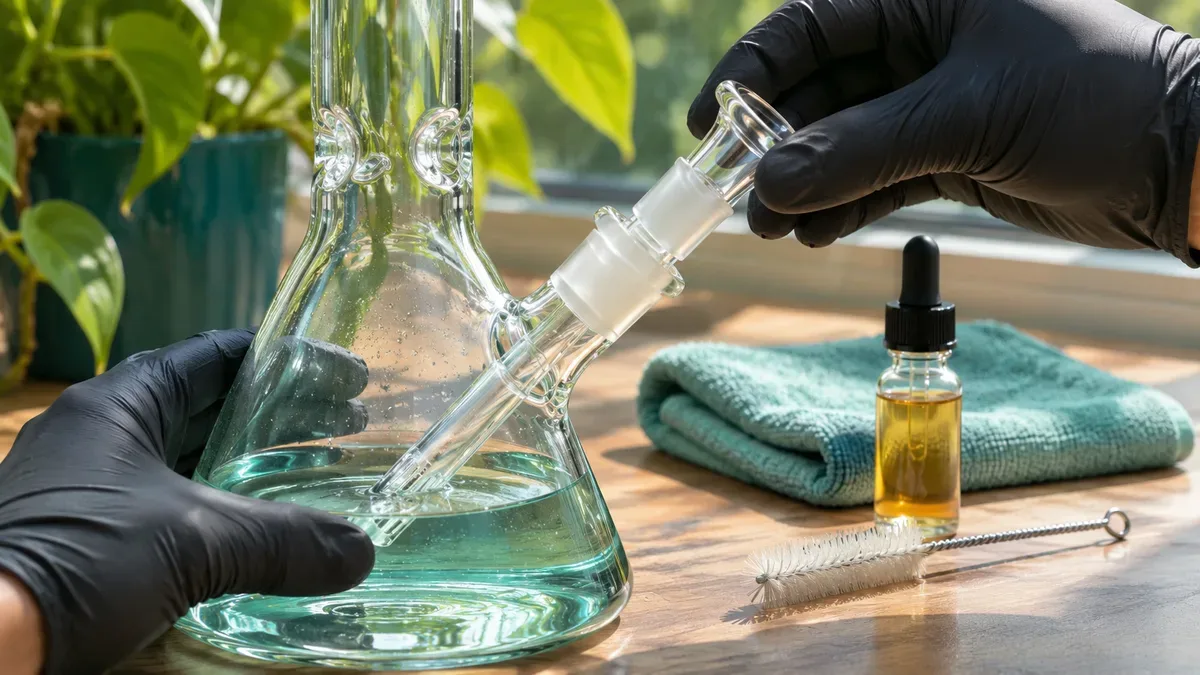
A downstem that suddenly refuses to move can turn routine bong cleaning into a serious glass-breaking risk. Downstem stuck joint prevention helps reduce resin, ash, moisture, friction, pressure, and temperature-related binding. This guide explains safer cleaning, correct fitting, lubrication limits, and careful removal methods. You will also learn when replacement makes more sense than applying more force.
What Causes a Downstem to Get Stuck in a Glass Joint?
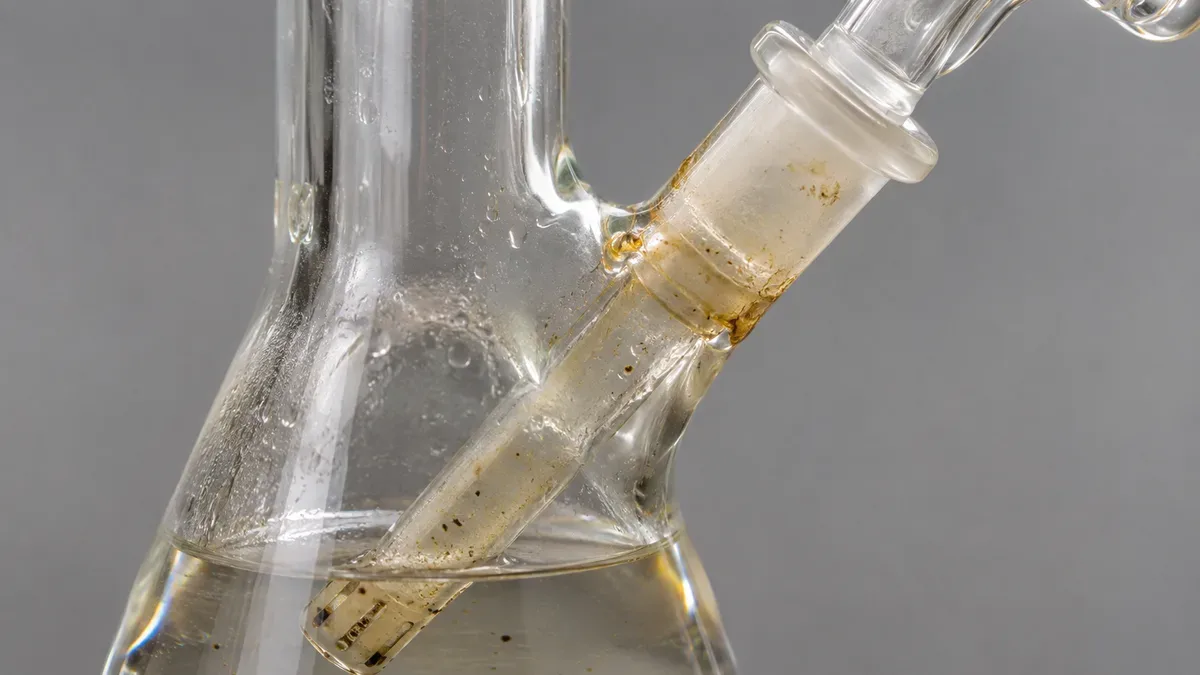
A downstem is the glass tube connecting the bowl area to the bong’s water chamber. The glass-on-glass joint is the fitted opening that holds the downstem in place. Together, these parts create an airtight connection while allowing smoke to pass through the water.
However, a close fit leaves little room for residue or pressure. Even a thin layer of sticky buildup can make removal difficult. Therefore, regular inspection matters before the joint becomes completely stuck.
Resin, Ash and Dirty Water
Resin creates the most common sticking problem. Smoke deposits can collect around the joint, especially when dirty water splashes upwards. Ash may also settle inside the opening and combine with moisture.
Meanwhile, dirty bong water can dry around the connection. As the water evaporates, it leaves concentrated residue behind. That residue can act like glue when the downstem remains installed for several days.
For example, a downstem that moves easily after each session may become difficult after a week. The problem often comes from a hardened resin ring rather than the glass itself. Therefore, emptying and rinsing the piece regularly can prevent a much harder removal later.
Moisture, Sugary Residue and Cleaning Solution
Moisture can create temporary suction between two closely fitted glass surfaces. This effect becomes stronger when the joint contains sugary residue, flavouring, or other sticky contaminants. Even small amounts can make the connection feel unusually tight.
Additionally, cleaning solution left behind may soften old residue without removing it completely. The softened material can become tacky as the glass dries. Therefore, rinse away cleaning products thoroughly and dry the joint before storage.
Glass-on-glass joints generally work best when they remain clean and dry. They do not need household oils or thick lubricants to operate correctly. In fact, extra residue often creates the sticking problem you were trying to avoid.
Fit, Pressure and Temperature Changes
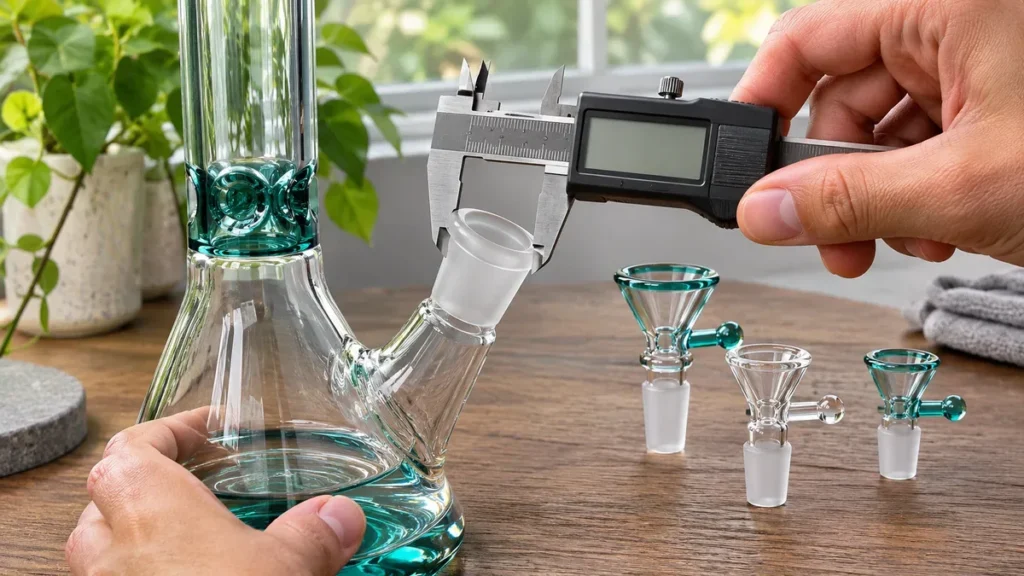
An overly tight fit can result from an incorrect 14mm or 18mm connection. A replacement downstem may look close enough while still being slightly mismatched. That small difference can place uneven pressure on the joint.
Similarly, a downstem inserted at an angle can press against one side of the opening. Sideways pressure may chip the rim or create stress marks. Impact, over-tightening, and leaving the downstem installed during storage can worsen that stress.
Temperature changes can also make closely fitted glass parts bind temporarily. Hot water expands glass slightly, while cold rinsing causes rapid contraction. Sunlight, cold benches, and sudden temperature changes can create similar problems.
Most importantly, a stuck downstem is not always caused by resin. A chipped, damaged, or mismatched joint may need replacement instead. More force will not correct a poor fit and may break the surrounding glass.
Downstem Stuck Joint Prevention: Cleaning and Fit Checks
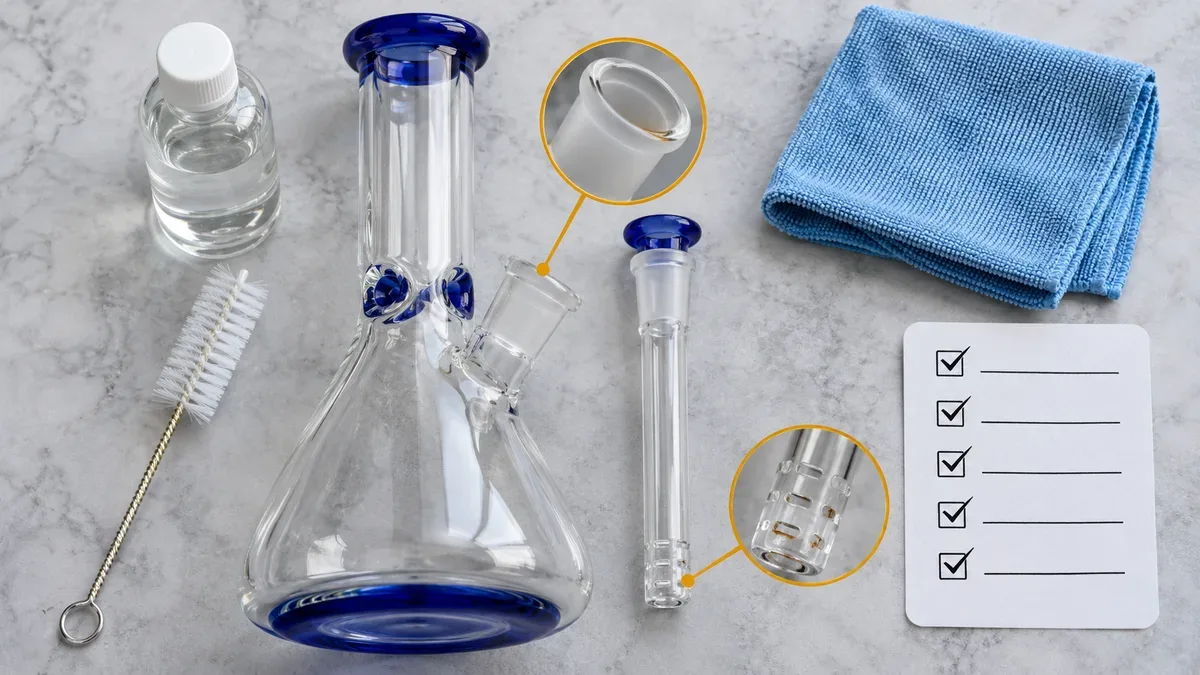
Good downstem stuck joint prevention starts before installation. Inspect both glass surfaces carefully, then confirm the size and length match your bong. A few minutes of checking can prevent expensive damage and painful cuts.
Inspect Before Every Installation
Look for chips, cracks, sharp edges, cloudiness, stress marks, and visible resin rings. Check the downstem’s joint end and the bong’s receiving joint equally. A defect on either surface can affect the entire connection.
Additionally, check whether the glass feels smooth around the rim. Roughness may indicate a small chip that catches during removal. Therefore, do not install a part that feels damaged, unusually tight, or unstable.
When buying a replacement, confirm the connection size and downstem length. Pay special attention to diffused 14mm downstem connection details. The joint size, tube length, diffuser style, and insertion depth all affect fit.
For example, an 18mm downstem will not fit safely into a 14mm joint. A tube that is too long may touch the bong’s base. Meanwhile, a short tube may sit poorly and place pressure on the joint.
Insert and Remove the Downstem Gently
Insert the downstem slowly and straight. Keep the tube aligned with the joint rather than pushing from one side. Never force it into place because the connection appears nearly correct.
However, avoid aggressive twisting during installation. A small adjustment may help alignment, but repeated rotation can grind residue against the glass. The best fit should settle smoothly without excessive pressure.
After use, allow the bong and downstem to cool naturally. Then remove the downstem gently if the piece will not be used soon. Storing the parts separately reduces the chance of dried residue bonding them together.
Additionally, place each component in a padded compartment during storage. Avoid letting the downstem knock against the bong, bowls, grinders, or other hard accessories. Small impacts can create weaknesses that remain invisible at first.
Clean Glass Without Creating New Problems
Routine cleaning helps prevent resin from hardening around the joint. Warm water and isopropyl alcohol are commonly suitable for glass, but always follow product-specific instructions. Ventilate the area and keep alcohol away from flames, sparks, and heat sources.
Use pipe cleaners, soft brushes, or cotton swabs only where they fit easily. Never force a tool through a narrow opening. A stuck tool can place pressure on the glass or leave fibres inside the joint.
Rinse the downstem and bong thoroughly after cleaning. Then allow every part to dry completely before reassembly. Moisture trapped inside the joint can create suction and encourage residue to return.
Avoid cooking oil, petroleum jelly, adhesives, and household lubricants. These products can trap resin, affect airflow, contaminate the glass, and make future cleaning harder. They may also leave an unpleasant taste or odour.
If a manufacturer specifically recommends lubrication, use only a tiny amount of joint-safe, food-grade silicone grease. Keep it away from the air path and diffuser holes. In most cases, a clean, dry glass-on-glass joint needs no lubricant.
For further product comparisons, explore glass water pipe categories and check the available specifications before choosing replacement parts.
A Practical Bong Downstem Maintenance Schedule
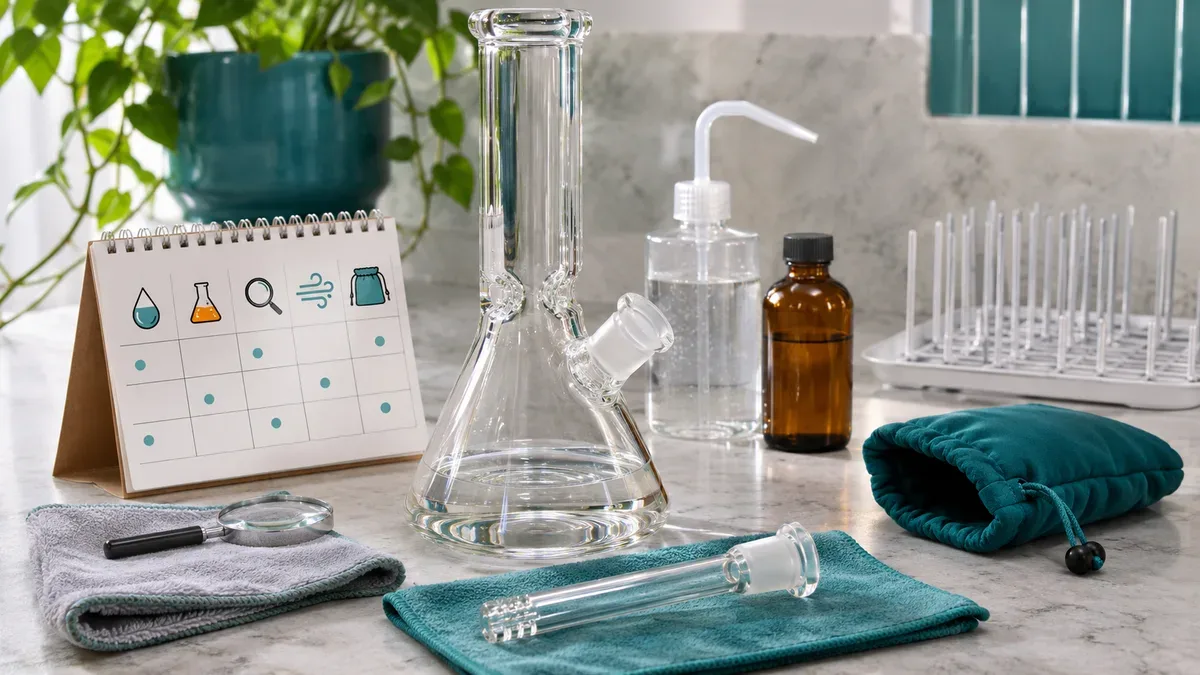
A simple maintenance schedule keeps residue from becoming a hardened obstruction. The right frequency depends on how often you use the bong and how quickly the water becomes dirty. However, every user benefits from regular rinsing and inspection.
After Each Use
Empty dirty water soon after use. Rinse the bong and downstem with warm water, then check for visible residue around the joint. Remove excess moisture from the connection before storing the piece.
Additionally, inspect the diffuser holes for ash or resin. Blocked holes can restrict airflow and encourage more buildup inside the tube. A quick rinse is easier than removing thick residue later.
Every Few Uses
Clean the downstem and joint with an appropriate glass-cleaning method before resin forms a thick ring. Focus on the joint opening, bowl connection, and areas where water collects. Rinse carefully until no cleaning residue remains.
Meanwhile, avoid waiting until airflow becomes severely restricted. Heavy buildup can increase friction, create suction, and make the downstem harder to remove. Regular cleaning also helps control lingering odours.
Weekly and Before Long-Term Storage
Weekly, or according to your usage frequency, inspect the joint and downstem closely. Check the diffuser holes, bowl connection, surrounding glass, and base for buildup, chips, cracks, or looseness.
Before long-term storage, clean and dry every component completely. Remove the downstem when appropriate and store glass pieces in padded compartments. Keep the bong away from direct sunlight, heat sources, and crowded shelves.
Frequent users may need to clean more often than once a week. Occasional users should still avoid leaving resin and dirty water inside for extended periods. Even infrequent use can leave residue drying inside the joint.
- Confirm the correct joint size and downstem length.
- Keep the joint clean and dry.
- Use cool or room-temperature glass.
- Insert the downstem straight and gently.
- Remove it with controlled movement.
- Store glass separately in padded protection.
- Never use excessive force.
As a result, bong resin buildup prevention reduces friction, suction, odour, restricted airflow, and stuck downstem risks. It also makes each cleaning session quicker and safer.
How to Remove a Stuck Downstem Without Breaking the Glass
First, stop using the piece and move it over a padded surface. Wear cut-resistant gloves if available, and keep broken glass hazards away from your skin. Work slowly because rushing creates the greatest risk.
Allow the bong and downstem to reach room temperature before removal. Do not work on hot glass or rapidly cool it with cold water. Sudden temperature changes can increase stress and cause cracking.
Soften the Residue First
Soak the joint area with warm water or an appropriate glass-cleaning solution. The aim is to soften resin rather than heat the entire piece aggressively. Avoid boiling water, open flames, heat guns, and sudden temperature changes.
For example, place the joint area in warm water for several minutes. Keep the water comfortably warm rather than dangerously hot. Then dry the outside carefully so your hands maintain a secure grip.
Repeat the soaking process if the residue remains firm. Patience is safer than trying to free the downstem in one attempt. Increasing force often transfers pressure directly to the bong’s joint.
Use Controlled Rotation and Straight Movement
Hold the bong securely while supporting the joint area. Then apply a small, controlled twist combined with straight outward movement. This answers the twist-versus-pull question directly: use both movements gently, without yanking.
Do not rock the downstem aggressively from side to side. Avoid sideways leverage because it can stress the joint rim. Keep the movement slow, even, and aligned with the downstem’s natural path.
Additionally, stop and soak the area again when resistance increases. A few gentle attempts are safer than one powerful pull. If the downstem begins moving, continue gradually rather than rushing the final part.
Know When to Stop
Never use knives, screwdrivers, pliers, metal picks, or other hard tools directly on glass. Do not tap the downstem with another object. These methods can create chips, fractures, and dangerous flying fragments.
Stop immediately if the joint flexes, produces a cracking sound, shows a new chip, or remains completely immobile. A glass joint should not flex during normal removal. Any movement in the bong itself signals a serious warning.
Seek professional glass repair or replacement when damage has fused the connection. Specialised tools may remove a stubborn part without spreading a crack. However, replacement is often safer than risking the entire bong.
For general background on heat-resistant glass properties, see this overview of borosilicate glass. The information does not replace professional repair advice.
When to Replace a Downstem or Bong
Some sticking problems indicate damage rather than poor cleaning. Look for hairline cracks, chips, rough edges, visible stress marks, wobbling, leaks, or sudden changes in fit. A joint that becomes much tighter or looser deserves immediate attention.
A cracked downstem should not remain in use. Fragments may break away, airflow may change, and continued pressure can damage the bong. Even a small crack can spread during cleaning or heating.
Similarly, a loose downstem can leak, shift during use, or place uneven pressure on the joint. It may seem safer than a tight connection, but movement creates its own risks. Replace it when the fit no longer feels stable.
Replace a downstem when its diffuser holes are damaged, the glass is chipped, or the fit is incorrect. Consider replacement when cleaning no longer removes persistent buildup. Do not keep forcing a part simply because it still technically fits.
Replace the bong or seek professional repair when its joint, base, chamber, or other structural glass contains a crack. Cosmetic cloudiness differs from structural damage, but uncertainty calls for caution. A qualified repairer can help assess whether the piece remains safe to use.
A correctly sized, high-quality downstem with smooth edges can reduce future sticking problems. Before ordering, compare the joint size, downstem length, diffuser style, and manufacturer specifications. Correct measurements matter more than choosing the cheapest replacement.
You can browse the Sweet Puff Australia shop for available glass accessories, then verify product details before purchasing a replacement part.
Final Safety Rules for Glass Pipe Joint Care
Keep the joint clean, dry, correctly fitted, and free from hardened resin before inserting the downstem. This simple habit prevents many avoidable problems. It also makes bong cleaning more predictable.
Handle glass-on-glass connections gently every time. Avoid aggressive twisting, sideways pressure, sudden pulling, and forced removal. Therefore, stop early when resistance suggests a damaged or mismatched connection.
- Avoid oils, adhesives, and household lubricants.
- Keep metal tools away from glass joints.
- Never use open flames or heat guns.
- Avoid sudden hot-to-cold temperature shocks.
- Do not use cracked or chipped glass.
- Store components in padded protection.
A loose, cracked, chipped, or visibly stressed piece should leave service immediately. Repair or replace it before the next use. Continuing to use damaged glass can turn a small defect into a complete break.
Regular cleaning, careful storage, and correct sizing all support safer bong maintenance. Together, these habits reduce resin, suction, restricted airflow, and accidental pressure. They also help glass components last longer.
Sweet Puff Australia brings together water pipes, glass designs, and smoking accessories for adult customers across Australia. Explore the Sweet Puff Australia website for product information and available collections.
Conclusion
Preventing a stuck downstem depends on regular cleaning, correct sizing, gentle straight handling, and careful temperature control. Resin, ash, moisture, pressure, and poor fit should be addressed before they create a bonded or stressed glass connection.
If a downstem becomes stuck, soak the joint, use controlled rotation with straight outward movement, and stop before force risks breaking the glass. Inspect your bong today, clean away resin around the joint, and confirm the connection size.
Finally, replace or professionally repair any cracked, chipped, stressed, or poorly fitting glass. A cautious decision now can prevent broken components, sharp fragments, and a much more expensive repair later.