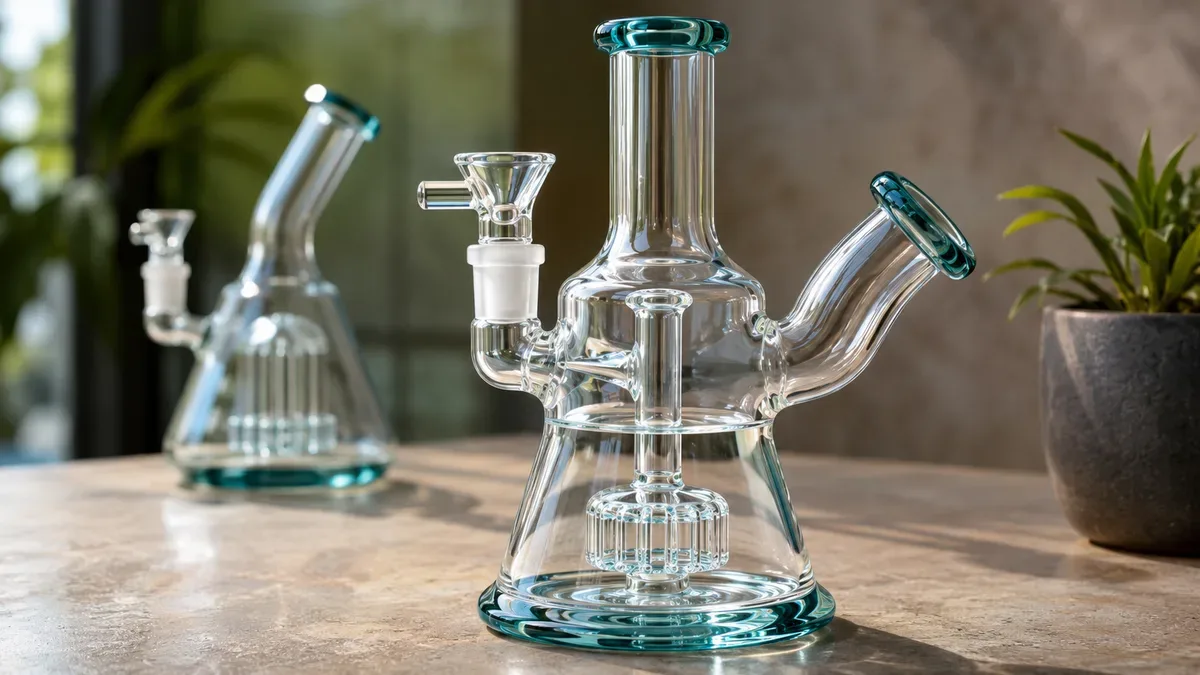
Choosing the right glass water pipe can noticeably improve comfort, airflow, stability, and cleaning. However, comparing sidecar mouthpiece glass water pipes with straight tubes, bubblers, and beaker bongs can feel confusing. This guide explains sidecar layouts, glass quality, filtration, size, pricing, maintenance, and compatibility. It also helps adult Australian buyers compare specifications before choosing a suitable water pipe.
1. What Are Sidecar Mouthpiece Glass Water Pipes?
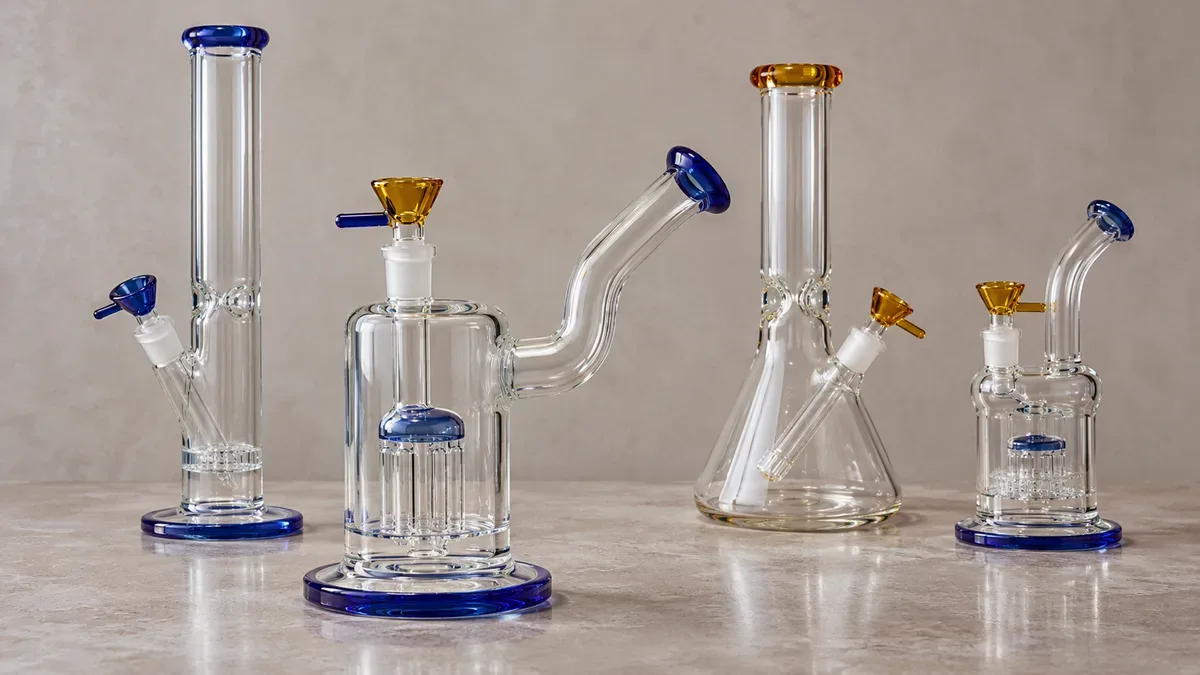
A sidecar mouthpiece glass water pipe has an angled or offset mouthpiece. Instead of rising directly above the main chamber, the mouthpiece extends from the side. This changes the distance between your face and the central tube during use.
Traditional straight tubes usually position the mouthpiece directly above the chamber. Therefore, you may need to lean over the centre of the pipe. A sidecar design can create a more relaxed draw angle, especially when the pipe sits on a table or desk.
Sidecar bongs, sidecar bubblers, scientific glass water pipes, and glass smoking water pipes describe related products. The term “sidecar” refers to the mouthpiece layout. Meanwhile, “bubbler” usually describes a smaller design, while “scientific glass” often describes precise, functional construction.
In contrast, straight tube glass bongs generally have a narrow vertical footprint. Beaker bongs use a wider base that improves stability and holds more water. Compact bubblers usually offer easier transport, but they provide less chamber space and may produce more restricted airflow.
Sidecar water pipes can occupy more horizontal space than straight tubes. However, their offset mouthpiece may feel easier to reach. Some buyers also prefer the viewing angle because the main chamber remains slightly away from their face.
Importantly, a sidecar mouthpiece does not automatically create smoother hits. Cooling and filtration depend mainly on water volume, diffuser design, percolation, airflow, and water level. The mouthpiece improves ergonomics, not filtration by itself.
Buyers who prefer relaxed posture, angled draws, or less face contact with the central tube may appreciate the layout. However, every design still requires careful handling. Purchase and use only where lawful, follow local regulations, and keep glass accessories away from children and pets.
Australian adults should also review current tobacco and smoking-product rules in their state or territory. The Australian Government’s smoking laws guidance explains age restrictions and broader legal considerations.
Sidecar Layout Versus Traditional Bong Shapes
- Sidecar bong: Angled mouthpiece, comfortable reach, and a wider side profile.
- Straight tube: Compact footprint, direct draw path, and simple construction.
- Beaker bong: Broad base, greater stability, and larger water capacity.
- Compact bubbler: Small storage footprint, lower capacity, and improved portability.
2. Sidecar Design, Filtration, and Hit Experience
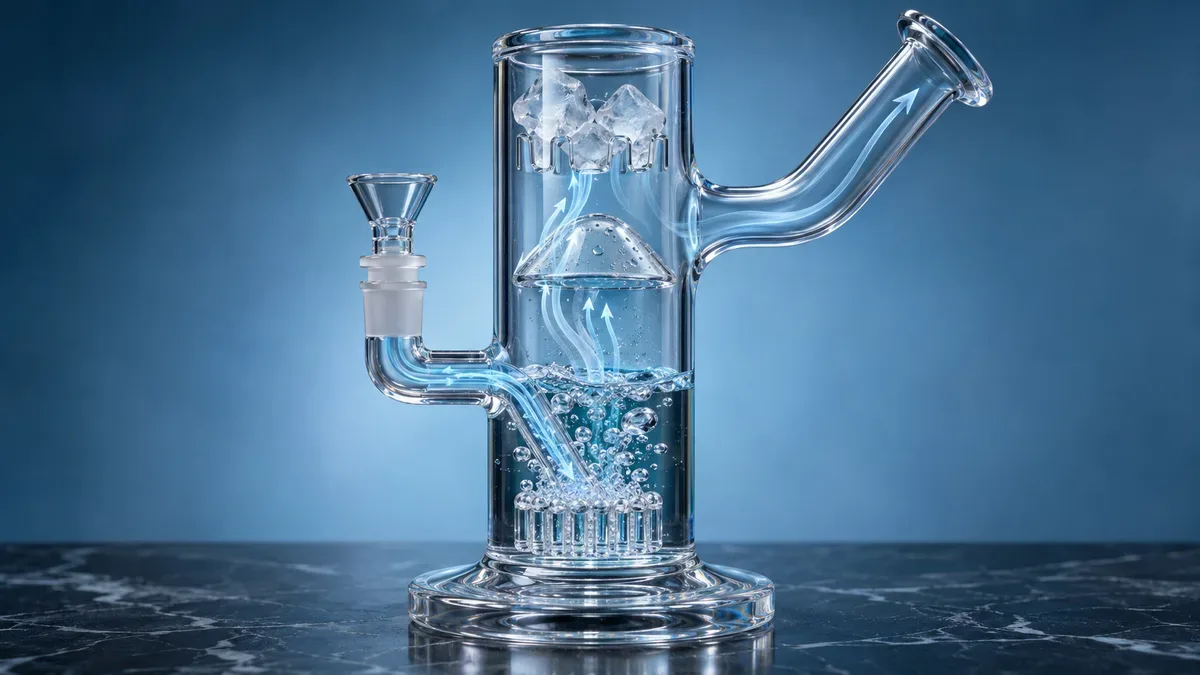
The angled mouthpiece changes how you position your head, shoulders, and hands. Specifically, it can reduce the need to lean over a tall central chamber. This may make short sessions feel more natural for some users.
However, the mouthpiece angle does not decide how much filtration the water provides. A simple sidecar pipe with one diffuser may feel stronger than a straight tube with several percolators. Therefore, compare the filtration system separately from the mouthpiece design.
Diffused downstems break the incoming stream into smaller bubbles. Percolators continue this process inside the chamber. Splash guards help reduce water movement towards the mouthpiece, although they cannot prevent splashback when the pipe contains too much water.
Sidecar water pipes without percolators usually offer simpler airflow and easier cleaning. They can also preserve a more direct draw and produce less resistance. In contrast, additional diffusion may soften the draw, but it often increases bubbling, water retention, and maintenance.
Common Percolator Types
- Honeycomb: Many small openings create substantial bubbling and filtration.
- Showerhead: A broad spray pattern can distribute water evenly.
- Tree: Multiple arms increase diffusion but may collect residue.
- Inline: A horizontal diffuser can offer strong bubbling in a compact chamber.
- Matrix-style: Fine openings create widespread bubbling across the diffuser.
No percolator suits every buyer. A honeycomb design may provide extensive bubbling, while an inline design can offer a more compact layout. Meanwhile, simpler showerhead systems may provide a useful balance between filtration and cleaning effort.
An ice catcher supports ice above the water chamber. Adding ice may cool the smoke or vapour before it reaches the mouthpiece. However, ice can change water movement, reduce chamber space, and increase condensation.
Common problems include restricted airflow, clogged diffuser openings, excessive bubbling, and awkward mouthpiece positioning. Water splashback often indicates an incorrect water level or an overly forceful draw. Therefore, adjust the water gradually and test the pipe before regular use.
A smooth-hitting glass bong depends on several factors working together. Inhalation technique, clean water, suitable diffusion, correct water height, and regular maintenance all matter. A complex percolator cannot compensate for poor cleaning or an unsuitable water level.
3. Glass Quality, Size, Stability, and Compatibility
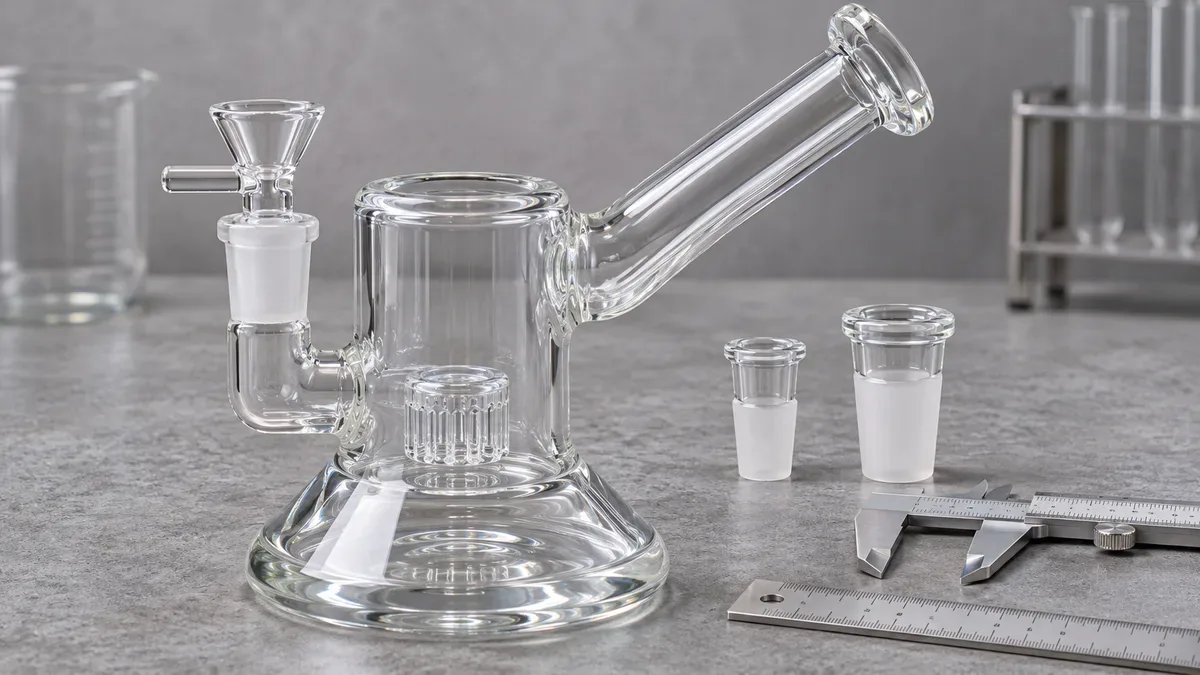
Laboratory-grade borosilicate glass is common in durable water pipes and scientific glass designs. It handles heat well and resists thermal shock better than ordinary glass. Nevertheless, borosilicate remains breakable when dropped, knocked, or exposed to sudden temperature changes.
When inspecting a pipe, look for consistent wall thickness and smooth glass joints. The base should sit evenly without rocking. Additionally, welded sections should appear clean, symmetrical, and free from visible bubbles or rough edges.
- Check the glass thickness and overall weight.
- Inspect joints for smooth, even connections.
- Confirm that the base sits flat.
- Look for clear dimensions and joint measurements.
- Read customer feedback for packaging and durability comments.
- Review warranty terms before purchasing.
Compact sidecar bubblers suit buyers who need easier storage and transport. They use less water and usually clean faster. However, their smaller chambers may provide less cooling and can feel less stable on uneven surfaces.
Standard-size sidecar bongs offer a practical middle ground. They usually provide moderate water capacity, useful stability, and manageable cleaning. Larger sidecar water pipes suit desktop setups where chamber volume, cooling, and stronger filtration matter more than portability.
Height and base diameter affect tipping risk. A tall pipe with a narrow base may require more careful placement. Meanwhile, a wider base usually improves stability but takes more room on a shelf or table.
Joint compatibility also matters. Common glass water pipe connections include 14mm and 18mm sizes. Buyers must confirm whether the pipe uses a male or female joint before ordering bowls, downstems, or adapters.
Removable bowls simplify cleaning and replacement. Downstems may be fixed, removable, diffused, or interchangeable. Therefore, check whether the retailer stocks matching bowls, downstems, ash catchers, reclaimers, and drop-down adapters.
Do not rely only on phrases such as “heavy duty” or “premium glass”. Instead, compare close-up images, technical specifications, customer feedback, and warranty support. A reputable retailer should explain compatibility clearly.
4. How to Choose the Right Sidecar Water Pipe for Your Needs
Start by deciding where and how you expect to use the pipe. Consider available space, portability, preferred draw resistance, desired filtration, and your tolerance for cleaning. These choices usually matter more than appearance alone.
Compact, Standard, or Large?
Compact sidecar bubblers suit buyers who prioritise small storage and easy transport. They use less water and usually have fewer components. However, smaller designs may offer less stability and stronger draw resistance.
Standard-size sidecar bongs work well for everyday use. They balance stability, moderate filtration, water capacity, and cleaning effort. For many buyers, this size provides the most practical combination without becoming difficult to store.
Larger sidecar water pipes suit desktop users who want a substantial chamber. They may provide stronger cooling and more room for advanced percolation. However, larger pipes need more water, more cleaning solution, and more careful storage.
Choosing the Filtration Setup
A single-chamber pipe remains simple and easy to maintain. A multi-chamber design can create more filtration, but it may retain water and residue. Percolator models offer more bubbling, while ice catchers add another cooling option.
More diffusion can soften the draw, but it may also increase resistance. Additionally, fine diffuser openings can clog faster. Therefore, choose the simplest filtration system that meets your preferences.
Sidecar water pipes can suit beginners when they have stable bases, moderate height, accessible joints, and fewer hard-to-reach components. A simple diffused downstem often provides a gentler learning curve than a complicated multi-percolator chamber.
| Feature | What to compare | Why it matters |
|---|---|---|
| Size | Compact, standard, or large | Controls portability, stability, and water capacity |
| Glass type | Borosilicate and stated thickness | Supports heat resistance and durability |
| Joint | 14mm or 18mm, male or female | Determines accessory compatibility |
| Filtration | Downstem, percolator, or multiple chambers | Influences bubbling and draw resistance |
| Ice catcher | Included or absent | Provides another cooling option |
| Accessories | Bowls, downstems, adapters, and spares | Makes future maintenance easier |
| Support | Warranty, returns, and retailer reputation | Helps protect against transit or manufacturing issues |
Use the product categories page to compare relevant glass designs and accessories. The online shop can also help you review available specifications.
5. Setup, Safe Use, Cleaning, and Maintenance
Begin by inspecting the pipe for cracks, chips, or loose components. Install the compatible bowl and downstem, then add clean water. Before use, confirm that every connection fits securely without forcing the glass.
Add enough water to cover the diffuser openings. Avoid filling the chamber too high, because strong bubbling can push water towards the mouthpiece. Therefore, test the draw gently and reduce the water level if splashback occurs.
Multiple chambers and percolators may need gradual adjustment. Add small amounts of water and test the airflow each time. Ice catchers can also change water movement, so check the mouthpiece after adding ice.
Always place the pipe on a stable, level surface. Keep it away from children, pets, crowded edges, and hot equipment. Moreover, allow bowls, downstems, and glass components to cool before handling or cleaning them.
Compatible accessories can improve maintenance and flexibility. Replacement bowls, downstems, ash catchers, reclaimers, drop-down adapters, and 14mm or 18mm adapters can help extend the useful life of a water pipe.
A Practical Cleaning Routine
- Empty the used water and rinse the pipe with warm water.
- Add a suitable glass-safe cleaning solution.
- Soak the pipe according to the product instructions.
- Gently agitate residue without forcing fragile components.
- Rinse thoroughly with clean water.
- Allow every section to dry before reassembly.
Regular cleaning preserves flavour, airflow, and percolator performance. It also reduces residue buildup inside joints and narrow diffuser openings. Meanwhile, clean water helps prevent unpleasant odours between uses.
Clogged percolators may need longer soaking rather than aggressive poking. Sticky joints often respond to careful cleaning and complete drying. Trapped water may require gentle draining and repositioning, especially inside multi-chamber designs.
Avoid abrasive tools, boiling water, sudden temperature changes, and excessive force. Never pour boiling water into cold glass. Finally, stop using any component that shows a crack, sharp chip, or visible structural damage.
6. Pricing, Retailer Quality, and Final Buying Recommendations
Pricing usually reflects borosilicate quality, glass thickness, size, percolator complexity, ice catchers, craftsmanship, accessories, branding, and warranty support. Entry-level pipes often use simpler shapes and fewer components. Mid-range options may offer thicker glass, improved stability, or useful diffusion.
Premium designs may include precise joints, complex percolators, larger chambers, better finishing, and stronger retailer support. However, a higher price does not automatically guarantee a better experience. Always compare specifications rather than relying on discounts or dramatic marketing claims.
- Look for transparent measurements and clear product photos.
- Confirm joint diameter and male or female compatibility.
- Check return policies and damage protection.
- Review replacement-part availability.
- Read customer feedback for packaging and construction quality.
- Choose retailers with clear customer support.
Warning signs include uneven bases, rough joints, thin-looking welds, unclear dimensions, and missing compatibility details. Inconsistent reviews may also indicate variable manufacturing or weak packaging. Therefore, inspect several photos before making a decision.
The best sidecar bong depends on your priorities. Beginners may prefer simple, stable designs. Buyers wanting maximum filtration may choose a multi-percolator model, while compact-storage users may prefer a small bubbler.
For everyday stability, a standard sidecar bong often offers the strongest balance. Premium buyers may focus on craftsmanship and precise construction. Those wanting easier cleaning should choose fewer percolators and accessible removable parts.
Sweet Puff Australia brings together water pipes, glass designs, and smoking accessories for adult buyers. Explore the Sweet Puff Australia website to compare collections and product information responsibly.
Conclusion
Sidecar mouthpiece glass water pipes use an angled mouthpiece to improve reach and posture. However, overall smoothness depends more on filtration, water level, airflow, inhalation technique, and maintenance. The sidecar layout is useful, but it should not replace careful specification comparisons.
The best choice balances borosilicate glass quality, stable construction, suitable size, compatible joints, useful features, cleaning requirements, and budget. Compare each product’s dimensions, glass details, percolator design, accessories, warranty, and retailer reputation before buying.
Finally, inspect construction details, confirm bowl and joint compatibility, review replacement-part availability, and choose a reputable retailer. Adult purchasers should also follow Australian laws, practise responsible use, and store glass accessories securely.