A small glass cone piece can crack, chip or shatter after one careless drop. Glass cone piece protective storage tubes help prevent that risk during storage, travel, shipping and daily use. However, many options feel too loose, too narrow or poorly padded. This buyer guide compares size, materials, padding, odour control, travel features, durability and price, so you can choose a secure fit for your glass piece.
What Are Glass Cone Piece Protective Storage Tubes?
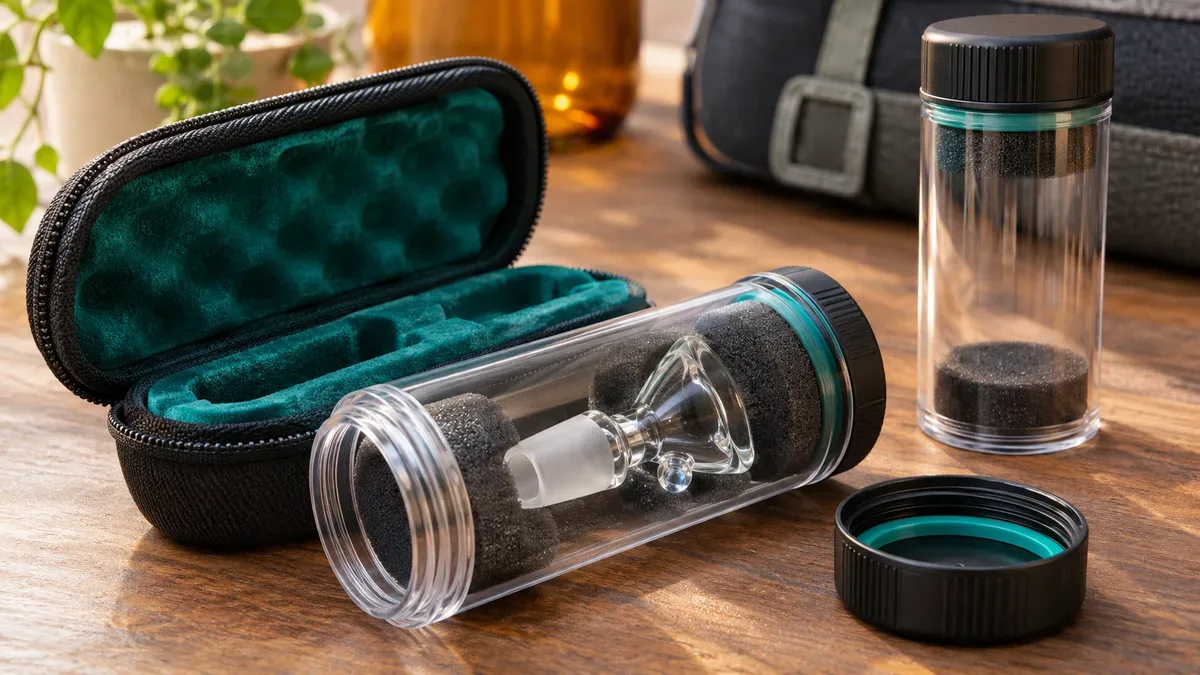
A glass cone piece protective storage tube is a container designed to hold and protect a fragile glass smoking accessory. Its main purpose involves reducing damage from impact, pressure, dust, scratches, chips and accidental breakage. The right tube also keeps the piece stable during transport.
Depending on the design, the same product may function as a glass cone holder, glass chillum storage case, portable glass pipe protector or cone piece carrying case. Some tubes use a narrow cylindrical shape. Others include wider sections for bowls, flared ends or irregular glass shapes.
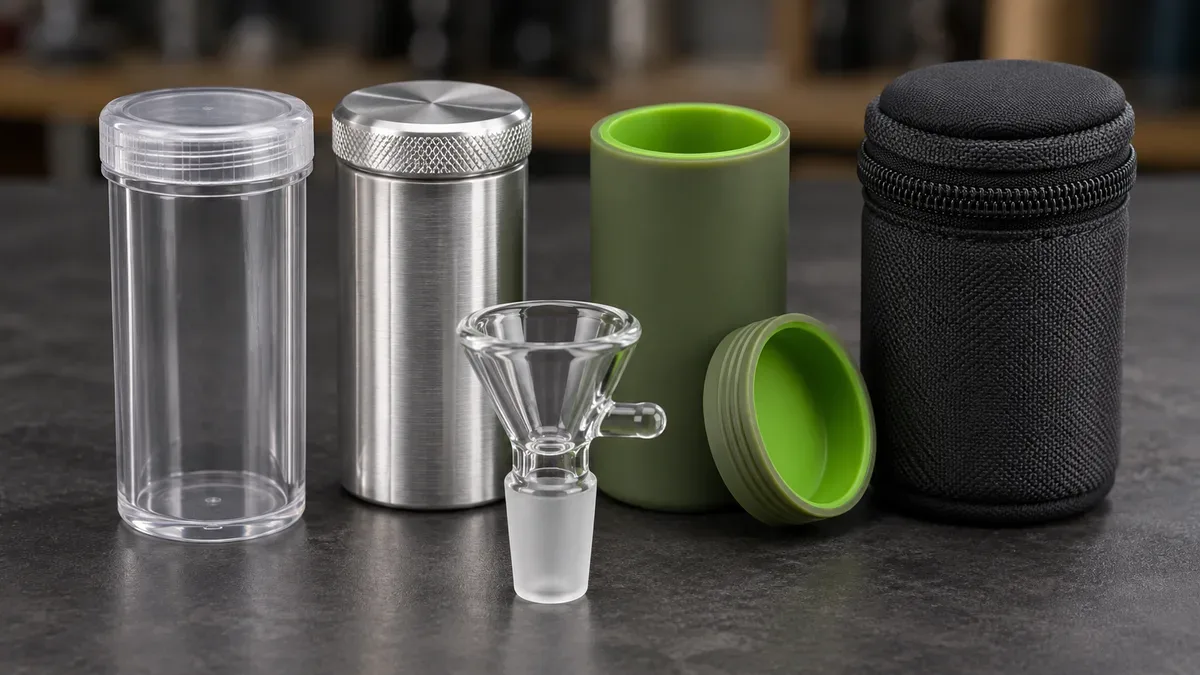
Common designs include rigid plastic tubes, aluminium containers, silicone-lined storage tubes, padded cases and soft fabric organisers. Therefore, buyers can choose between compact everyday protection and heavier-duty protection for travel or shipping.
How Protective Tubes Differ From Ordinary Bags
An ordinary pouch can reduce dust and minor scratches, but it may not stop crushing or impact damage. Similarly, an unlined container can allow glass to strike hard surfaces whenever the container moves.
Protective tubes usually combine a stronger outer wall with foam, silicone or another cushioning layer. Moreover, a fitted interior limits movement around the piece. This makes the container more useful than a loose bag for fragile glass.
Everyday users, collectors, retailers and wholesalers can all benefit from better storage. For example, a retailer may need neat shelf presentation, while a traveller may prioritise a compact, discreet design. Buyers should compare fit, protection, materials, closure security, odour control, waterproofing, portability, capacity and budget.
For a broader selection of smoking accessories, you can also browse Sweet Puff Australia’s online shop and compare available storage options.
Why Store a Glass Cone Piece in a Protective Tube?
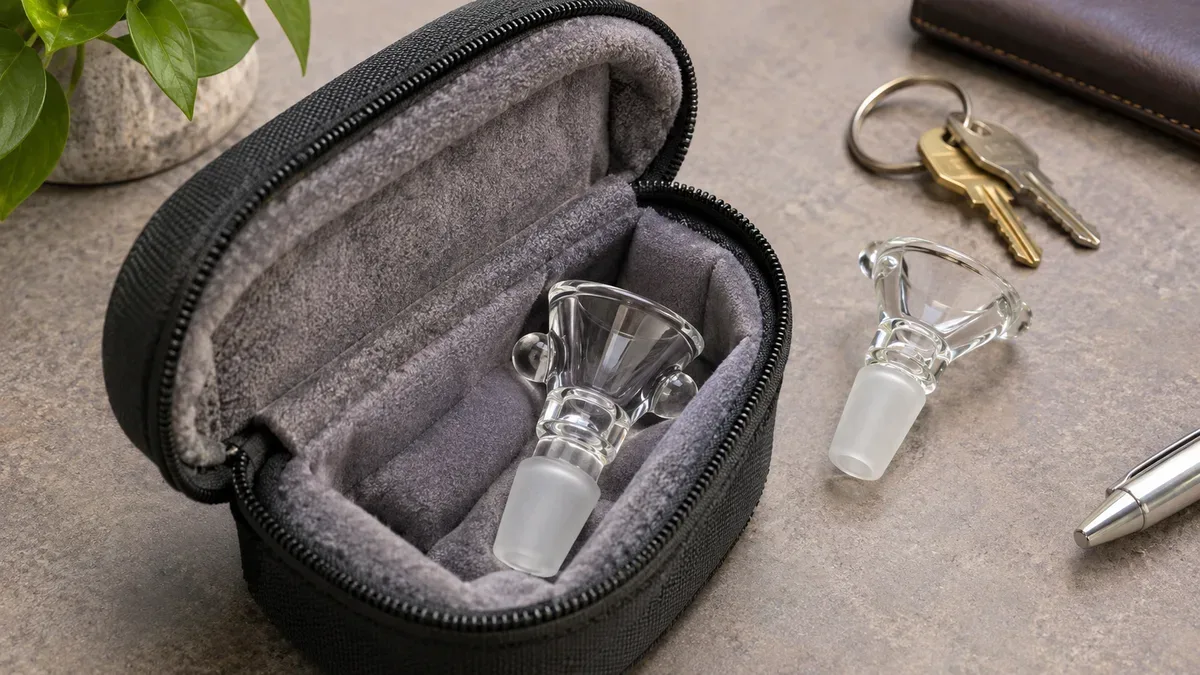
Glass can tolerate normal handling, yet a concentrated impact may cause a crack or chip. Rigid walls help absorb some external pressure when a tube falls inside a bag or gets pressed against other items.
Additionally, padded interiors protect edges from scratches caused by keys, tools and other accessories. They can also reduce vibration during car travel or movement inside a backpack. A close-fitting interior prevents the piece from repeatedly striking the tube walls.
Different situations require different protection levels. Everyday storage may only need a slim padded tube. Travel protection benefits from reinforced walls and a secure closure. Shipping requires a protective tube inside a larger box with extra cushioning around every side.
Odour, Dust and Moisture Control
Storage tubes can also reduce dust and limit unwanted odours. Ventilated designs allow moisture to escape, while gasketed or airtight lids help contain smells inside the container.
However, odour reduction does not mean complete odour elimination. Activated-carbon linings may help absorb some smells, but performance depends on the seal, lining quality and cleanliness of the stored piece.
Water-resistant tubes can protect against splashes and damp bags. Meanwhile, airtight designs suit discreet storage when the glass is completely dry. Never treat a storage tube as guaranteed protection from severe impact, heavy crushing or careless packing.
A compact tube also offers discreet storage for users who want a low-profile container. It keeps a glass smoking accessory separate from keys, chargers, tools and other objects that may cause damage.
How to Choose the Right Size and Shape
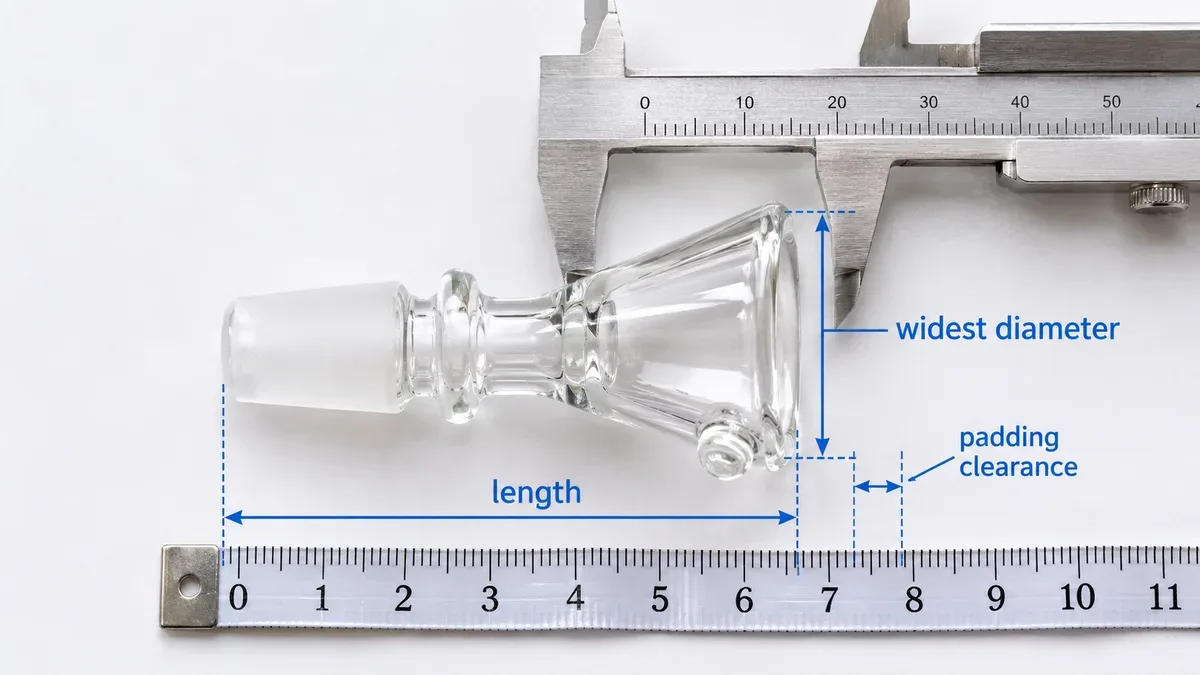
Correct sizing matters more than appearance. Start by measuring the glass piece from its longest point, then measure its widest section. Also record the mouthpiece opening, bowl or cone width, joint size and any protruding parts.
Next, allow room for a protective sleeve or padding. The interior should not squeeze the glass, yet it should not leave large empty spaces. Excess movement can create repeated impacts whenever the tube changes direction.
Measure Usable Interior Space
Manufacturers often list external dimensions, but those figures include the walls, lid and lining. Therefore, always check the usable internal length and internal diameter before ordering.
For example, a piece measuring 120 millimetres long may need a 135-millimetre interior. A 35-millimetre bowl may also require extra width around its widest point. The exact clearance depends on the thickness of the padding.
Compact cone pieces usually suit narrow tubes. Standard glass chillums may need a slightly wider interior, especially around a flared mouthpiece. Larger hand pipes and unusual glass shapes often suit adjustable cases with removable inserts.
Check Shape Compatibility
Curved pieces can fit poorly inside straight tubes. Similarly, flared ends, wide bowls, attached screens and sharp edges may require extra clearance. A round tube may suit a straight chillum, but it may not support a pipe with several angles.
Use this simple formula before buying:
- Measure the longest dimension.
- Measure the widest point.
- Add clearance for padding and protective sleeves.
- Compare those figures with the manufacturer’s internal measurements.
One tube can sometimes fit several shapes when it includes adjustable padding. However, separate fitted inserts provide better stability for valuable or unusually shaped glass.
When compatibility remains uncertain, inspect product diagrams and photographs carefully. Additionally, check the return policy and customer reviews for comments about interior space, loose fittings and difficult closures.
Materials and Designs Compared: Which Offers the Best Protection?
Each material creates a different balance between protection, weight, comfort and price. The best choice depends on how often you travel, how valuable the glass is and whether you need space for accessories.
Rigid Plastic and Aluminium Tubes
Rigid hard-plastic tubes usually offer affordable, lightweight protection for everyday use. They resist minor knocks and keep their shape inside a bag. However, thin plastic may crack under heavy pressure.
Aluminium tubes provide stronger crush resistance while remaining relatively light. They also resist exterior wear and suit frequent travel. On the other hand, metal interiors require soft lining because direct glass-to-metal contact can cause chips or scratches.
Silicone, Foam and Soft Cases
Silicone sleeves add grip, flexibility and cushioning. They also clean easily when the material is compatible with mild soap and water. However, silicone alone may not protect against heavy crushing or a strong fall.
Foam inserts help absorb vibration and prevent direct contact with hard surfaces. Low-quality foam may compress, shed particles or lose its shape over time. Therefore, look for dense padding that holds the glass without applying excessive pressure.
Soft cases suit buyers who value flexibility, lower weight and extra accessory storage. They can hold cleaning tools or spare parts more easily than narrow tubes. However, a soft case generally offers less crush resistance than a reinforced tube.
| Design | Protection | Portability | Odour and Water Control | Capacity | Typical Price |
|---|---|---|---|---|---|
| Basic plastic tube | Low to medium | Very light | Usually limited | Small | Lower |
| Padded plastic tube | Medium | Light | Some resistance | Small to medium | Low to mid-range |
| Aluminium tube | Medium to high | Light | Good with a sealed lid | Small | Mid-range |
| Silicone-lined tube | High for everyday knocks | Light to medium | Good when sealed | Small to medium | Mid-range |
| Reinforced padded case | High | Medium | Good with a gasket | Medium to large | Mid to higher |
In most cases, the strongest construction combines a rigid outer shell, shock-absorbing padding, a secure closure and a fitted or adjustable interior. This combination protects the glass while limiting unnecessary movement.
Features to Look For in a Glass Pipe Protective Case
Start with shock absorption. Foam inserts, silicone cradles, moulded interiors, reinforced walls and suspended padding can all reduce impact. A fitted cradle usually offers better stability than loose foam alone.
Closures, Seals and Odour Control
Screw-top lids can provide strong closure security and simple cleaning. Snap closures open quickly, while zips suit flexible cases with additional compartments. Locking mechanisms may help with private storage, but they can add weight and complexity.
Gasketed seals help reduce odours and protect against splashes. Activated-carbon linings may offer additional odour reduction. However, no seal can replace proper cleaning and complete drying.
Water-resistant tubes handle light rain, spills and damp bags. Waterproof designs provide stronger protection, but buyers should check whether the product suits submersion. A sealed tube may protect the exterior while still allowing moisture to remain trapped inside.
Portability and Accessory Capacity
Compact dimensions help the tube fit inside a backpack, drawer or vehicle compartment. Belt loops, carry handles and carabiner points improve portability, although exposed attachment points may catch on other objects.
Some cases include space for screens, small cleaning tools, spare mouthpieces or other compact accessories. This extra capacity helps users keep everything together. However, avoid filling the case so tightly that accessories press against the glass.
Ventilation can help prevent trapped moisture after cleaning. In contrast, an airtight design suits dry, discreet storage. Choose ventilation for drying and sealed construction for odour control, unless the manufacturer clearly supports both functions.
Simple Buyer Checklist
- Does the internal size match the longest and widest measurements?
- Does the lining prevent direct contact with hard surfaces?
- Does the closure stay secure during movement?
- Does the design offer suitable odour and water resistance?
- Can you remove and clean the inserts?
- Does the product include a useful warranty or return policy?
Retailers and wholesalers should also assess packaging quality, shelf presentation and size variations. Additionally, review customer feedback for cracked closures, compressed foam and inconsistent dimensions. Bulk purchasing terms matter, but product consistency matters more.
Safe Packing, Cleaning, Travel, and Long-Term Storage
Clean the glass cone piece before storage by removing residue and rinsing it according to its material and finish. Use suitable cleaning methods, then allow every surface to dry completely.
Never seal damp glass inside an airtight tube. Trapped moisture can encourage odours, residue or mildew inside the padding. Therefore, leave the piece uncovered until it feels completely dry.
Packing and Travel Practices
Secure loose parts before placing the piece inside its tube. Use fitted padding, fill excessive empty space and keep sharp edges away from hard surfaces. However, avoid overpacking because compression can place pressure on delicate glass.
Storage tubes suit travel when you place them in a stable compartment. Keep heavy objects away from the tube and prevent it from rolling freely. For shipping, place the tube inside a larger box with cushioning around all sides.
Inside the shipping box, the storage tube should not move when gently shaken. This extra layer helps protect against handling impacts. Always check airline, postal, retail and local transport rules for the contents and destination.
Cleaning and Long-Term Storage
For long-term storage, keep the tube in a clean, dry area away from direct sunlight and heat. Avoid extreme temperature changes, which can stress glass and other materials. The Canadian Conservation Institute’s glass-care guidance also recommends avoiding rapid temperature changes and unnecessary handling.
Remove inserts when possible and wipe hard surfaces with a suitable cloth. Wash compatible silicone components carefully, then dry every part before reassembly. Replace padding when it becomes compressed, torn or unable to hold the glass securely.
Inspect the closure, seal, foam and outer shell before continued use. Look for cracks, loose threads, odour retention and worn attachment points. A damaged case may create a false sense of protection.
Sweet Puff Australia brings together water pipes, glass designs and smoking accessories for adult customers. Explore the Sweet Puff Australia website for product information and available collections.
Conclusion
The right glass cone piece protective storage tube should match the piece’s exact dimensions and provide secure padding. Rigid tubes offer strong everyday protection, while silicone and foam improve cushioning. Gasketed or odour-resistant designs add privacy and moisture control.
Before buying, compare internal measurements, lining material, closure security, travel features, accessory capacity, maintenance needs and price. Most importantly, choose a model that holds the glass securely without squeezing it.
Compare protective storage tubes by internal size, impact protection, odour control, waterproofing and intended use. Then choose a design that leaves enough room for safe padding while preventing unnecessary movement.