Does your bubbler have cloudy glass, stale water, restricted airflow, or a lingering smell? Dirty water and resin can affect hygiene, flavour, airflow, appearance, and performance. Fortunately, learning how to clean a bubbler pipe is straightforward when you use the right supplies and gentle techniques. This guide explains alcohol and alcohol-free methods, stubborn buildup removal, safe rinsing, drying, troubleshooting, and simple maintenance.
1. Why Regular Bubbler Pipe Cleaning Matters
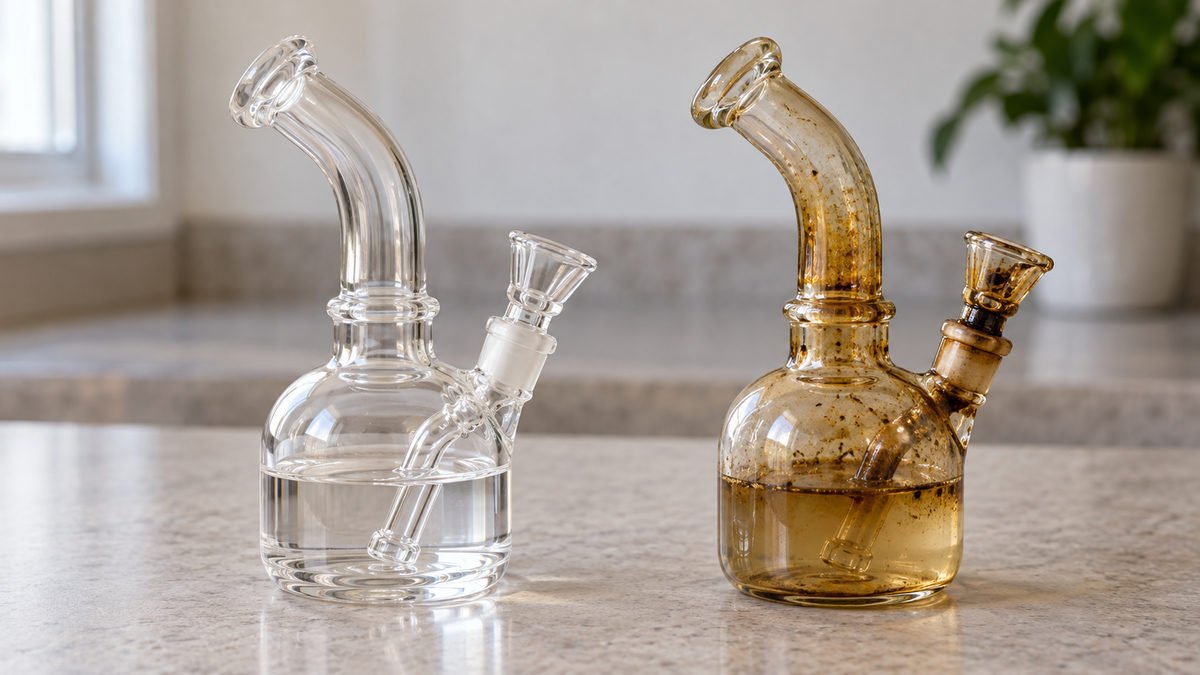
A clean bubbler feels easier to use and looks better on display. More importantly, fresh water and clean glass help reduce old residue inside the device. Regular cleaning also helps maintain clear airflow through the bowl, downstem, percolator, and mouthpiece.
However, residue can quickly affect flavour and odour. Old water may develop a stale smell, while resin can collect in narrow openings. As a result, each use may feel less comfortable and the bubbler may become harder to rinse later.
Look for these signs that your bubbler needs immediate cleaning:
- Dark, cloudy, or stale water
- Visible resin around the bowl or mouthpiece
- An unpleasant or persistent odour
- Cloudy glass or sticky interior walls
- Reduced bubbling through the percolator
- Restricted airflow or a partially blocked passage
Additionally, old water and resin can settle in the bowl, downstem, percolator, and interior chambers. Small amounts may hide behind glass joints or inside diffuser holes. Therefore, cleaning only the visible bowl may leave the main source of the problem untouched.
How often should you clean a bubbler?
For the freshest experience, change the water after every use. Meanwhile, a quick warm-water rinse helps remove loose residue before it hardens. Frequent users should complete a deeper clean at least once a week.
Less frequent users can clean the bubbler whenever residue, odour, or cloudy water appears. Nevertheless, empty the water before storage every time. This simple habit helps prevent stagnant water, mineral marks, and stubborn buildup.
Always work slowly and protect the glass from knocks. Ventilate the area, use suitable protective equipment, and follow all applicable Australian laws. For general guidance on choosing safer cleaning products, visit the EPA Safer Choice programme.
2. Supplies for Cleaning a Glass Bubbler
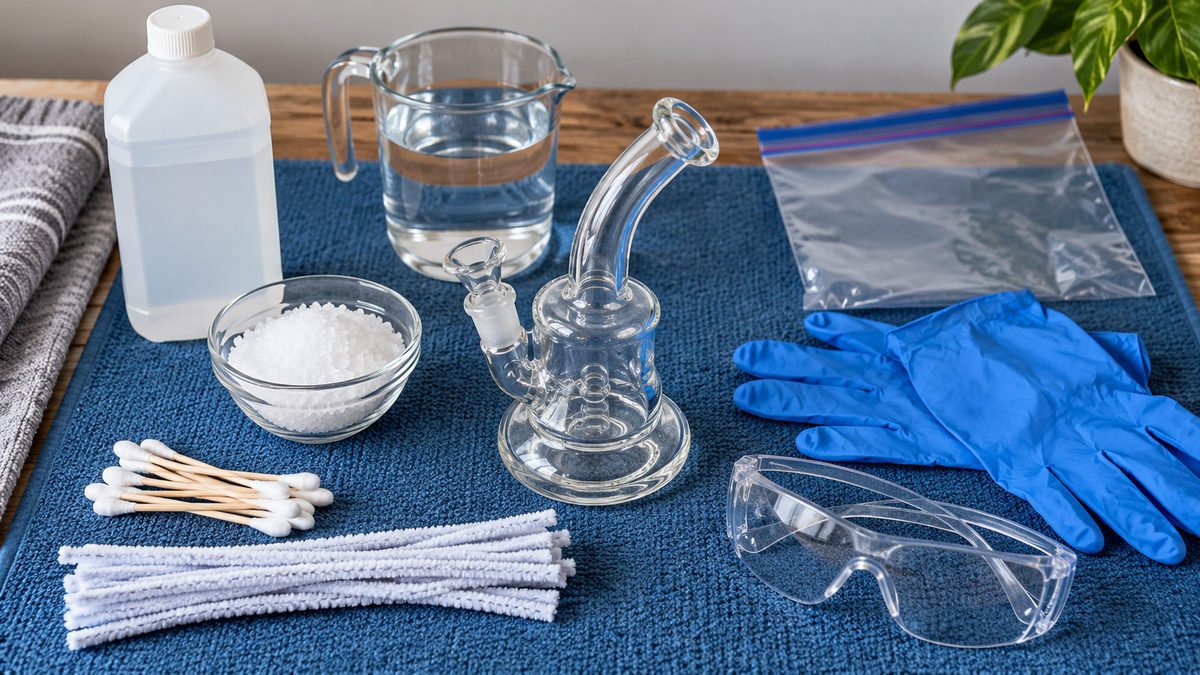
The right supplies make cleaning easier and reduce the temptation to use excessive force. Prepare everything before starting, especially if your bubbler has several small chambers. A stable setup also helps prevent accidental drops or sudden movements. Our bong cleaning brushes guide also suits bubblers.
Recommended supplies include:
- 91% or higher isopropyl alcohol
- Coarse salt
- Warm, not boiling, water
- Cotton swabs
- Pipe cleaners or flexible cleaning brushes
- Soft glass-safe brushes
- Disposable gloves
- Eye protection
- Paper towels and clean towels
- A sealable bag or small container
Coarse salt works well because its larger crystals provide gentle scrubbing action. The crystals can loosen softened resin without requiring sharp tools. Therefore, salt offers useful friction while remaining easier to control than metal or abrasive objects.
Use a commercial pipe cleaner when the resin is especially hardened or the bubbler has a complex percolator. A glass-safe product may also help with mineral deposits and persistent odours. Always read the product label and confirm that it suits glass surfaces.
For an alcohol-free approach, choose warm water with a mild glass-safe cleaner. You can also use a manufacturer-approved pipe-cleaning product. However, alcohol-free methods may need longer soaking and several cleaning cycles.
Avoid bleach, ammonia, harsh solvents, metal tools, sharp objects, and abrasive powders. These products may damage glass, leave harmful residue, or scratch the surface. Never use a cleaner unless the label confirms that it is suitable for glass.
Safety matters when handling isopropyl alcohol. Work in a well-ventilated area and keep the liquid away from flames, sparks, heaters, and hot surfaces. Additionally, protect your eyes and skin, and keep alcohol away from children and pets.
Before cleaning, choose a stable workspace away from the edge of a bench. Place a folded towel beneath the bubbler to soften accidental contact. Furthermore, avoid cleaning directly over a hard sink because one slip can crack the base or mouthpiece.
3. How to Clean a Bubbler Pipe: Step-by-Step Method
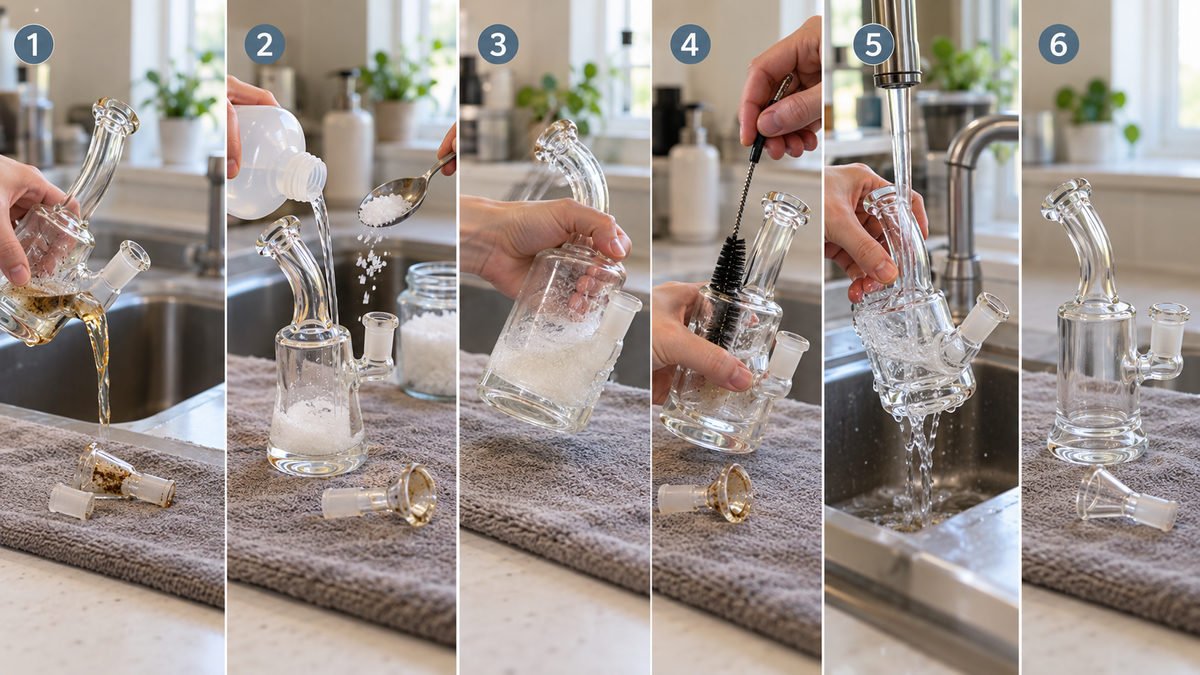
This method suits most glass bubblers with removable or accessible parts. Check the design before disassembly, because some pieces contain delicate joints or fixed percolators. Work gently throughout the process. The method is similar to how to clean a glass pipe.
Step 1: Cool and empty the bubbler
Let the bubbler cool completely before handling it. Then, empty the used water and remove any loose debris. Never pour hot water into cold glass, because sudden temperature changes can cause thermal shock.
Step 2: Remove removable parts
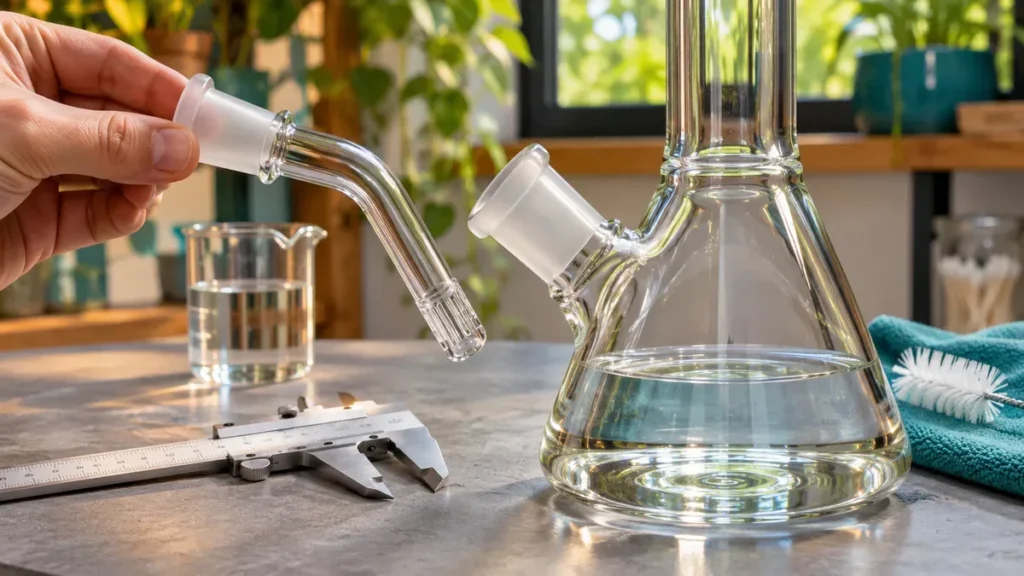
Carefully disassemble the bowl, downstem, or other removable sections. Hold each piece close to its joint and lift slowly. If a part feels stuck, do not twist aggressively or force it free.
Step 3: Rinse with warm water
Rinse the bubbler and loose parts with warm water. The warmth helps loosen fresh residue before the main cleaning stage. However, avoid boiling water and sudden changes from cold to hot temperatures.
Step 4: Add alcohol and coarse salt
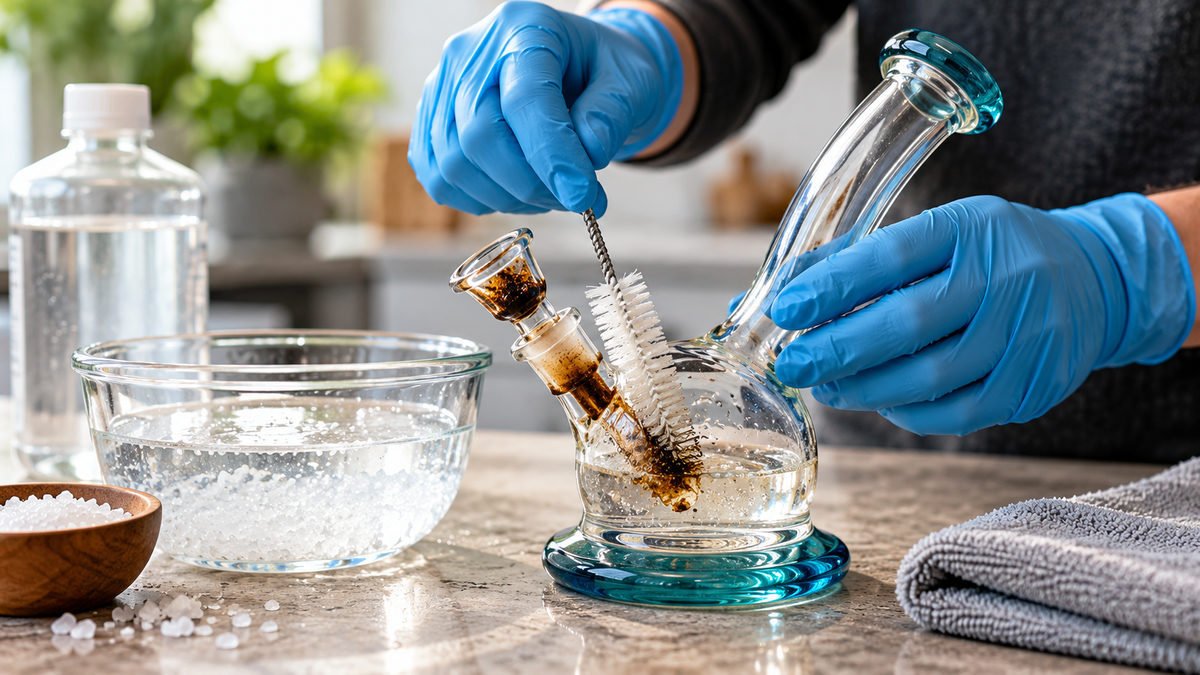
Add enough 91% or higher isopropyl alcohol to reach the dirty interior. Next, add a small amount of coarse salt. Use enough liquid to coat the affected areas without filling delicate chambers unnecessarily.
Step 5: Seal the openings
Cover the openings with compatible stoppers, cleaning plugs, or clean gloved fingers. Make sure the seal feels secure without forcing pressure into the glass. Never block an opening so tightly that pressure could build inside a delicate chamber.
Step 6: Allow the solution to soak
Light residue may need 15 to 30 minutes of soaking. Stubborn resin may require several hours. Nevertheless, avoid leaving unknown materials submerged longer than the cleaning product instructions recommend.
Step 7: Rotate and shake gently
Hold the bubbler over a folded towel and rotate it slowly. If the design allows, shake gently and deliberately. Move the salt and alcohol across the bowl, mouthpiece, downstem, percolator, and interior chambers.
Do not strike the bubbler against your hand, bench, or sink. Support the base with one hand while controlling the movement with the other. Moderate motion provides useful scrubbing without placing stress on the glass.
Step 8: Clean narrow openings
Use cotton swabs, soft brushes, or pipe cleaners for narrow passages. Work from the accessible opening and use light pressure. Never push a tool forcefully through a clogged or delicate passage.
Step 9: Empty and repeat if needed
Pour the used cleaning solution into a suitable container. Inspect the glass before rinsing. If resin remains, repeat the soak and gentle rotation instead of increasing pressure or using sharp objects.
Step 10: Rinse thoroughly
Flush every chamber and opening with warm water. Continue until no alcohol smell, salt, slippery film, or visible residue remains. Pay particular attention to diffuser holes and the inside of the mouthpiece.
Step 11: Inspect and dry
Inspect the bowl, downstem, percolator, mouthpiece, and chambers under good lighting. Then, place the bubbler upside down on a clean towel. Let it air-dry completely before storage or use.
How to clean a bubbler without breaking it
Support the base during every rinse and movement. Place towels beneath the glass and avoid hard surfaces. Additionally, use moderate pressure and never pour boiling water into cold or unevenly heated glass.
A bubbler is safe to use after cleaning only when it is fully rinsed and completely dry. No cleaner, salt, alcohol smell, or slippery film should remain. When in doubt, rinse again and allow more drying time.
4. Cleaning the Bowl, Downstem, Percolator, and Chambers
Different parts collect different types of residue. Therefore, cleaning each section separately often produces better results than treating the bubbler as one sealed object. Small components also deserve careful inspection. Unsure which part is which? See glass bubbler anatomy explained.
Bowl
Soak the removable bowl separately in alcohol or a suitable glass-safe cleaner. Once the resin softens, use cotton swabs or a soft brush around corners and the air path. Rinse the bowl thoroughly before reconnecting it.
Downstem
Place the downstem in a small container with cleaning solution. Use a pipe cleaner carefully through the accessible passage. Then, flush warm water through both ends to remove interior buildup and loosened particles.
Percolator
Add cleaning solution slowly to the percolator area. Rotate the bubbler rather than shaking it aggressively. Repeated rinsing helps remove trapped salt and loosened resin from diffuser holes.
Mouthpiece
Wipe the mouthpiece opening with a cotton swab or soft cloth. Use a flexible pipe cleaner for accessible interior buildup. Meanwhile, inspect sticky areas because they often hold odour-causing residue.
Interior chambers
Work with small amounts of cleaning solution inside interior chambers. Rotate the bubbler gently and inspect the glass between cleaning rounds. This approach reduces the chance of hiding loosened residue in another section.
Hard-water stains may look similar to resin, but they need a different solution. Use a glass-safe mineral deposit cleaner or a mild manufacturer-approved product. Never scrape mineral deposits with metal or sharp tools.
For stubborn resin, repeat the soaking process and use coarse salt. Scrub gently rather than increasing force. If the bubbler still smells or looks discoloured, complete another cleaning cycle and let every part dry in a ventilated area.
5. Alcohol-Free Bubbler Cleaning and Safety Precautions
You can clean a bubbler without alcohol when you prefer a different method. Use a commercial glass pipe cleaner, a mild glass-safe household solution, or warm water with gentle mechanical cleaning. Always confirm that the product suits glass before applying it. For stubborn buildup, learn how to remove residue from glass pipes.
Alcohol-free methods may require more patience. Hardened resin often needs a longer soak, repeated rinsing, or careful scrubbing. However, gentle repetition remains safer than using sharp tools or excessive force.
Can you use isopropyl alcohol on a glass bubbler?
Isopropyl alcohol commonly works on glass bubblers when handled correctly. Use ventilation, gloves, and eye protection during the process. Additionally, remove all flames, sparks, cigarettes, heaters, and other ignition sources from the area.
How to rinse a bubbler after alcohol
Flush every chamber and opening repeatedly with warm water. Rotate the bubbler so water reaches hidden passages and diffuser holes. Continue until no alcohol smell, slippery film, salt, or cleaner residue remains.
Boiling water can crack a bubbler through thermal shock. Cold or unevenly heated glass may not tolerate a sudden temperature change. Therefore, use warm water and allow the glass to adjust gradually.
Dispose of cleaning alcohol safely
Follow local household chemical or hazardous-waste disposal rules for used alcohol. Never pour it into drains, onto soil, or near flames. Keep the used solution in a labelled, sealed container until you can dispose of it properly.
Finally, store every cleaning product in its original labelled container. Keep bottles sealed and inaccessible to children and pets. Do not mix cleaning chemicals, especially bleach, ammonia, solvents, or alcohol.
6. Bubbler Troubleshooting, Maintenance Tips, and Final Checklist
A clogged bubbler usually needs soaking before mechanical cleaning. Empty the water, soak the affected passage, and flush it gently. Use a pipe cleaner only when the opening is accessible, and never force tools into the glass. For buying and care tips, see our bubbler pipes guide.
For a blocked percolator, repeat warm-water rinses and rotate the bubbler gently. If resin remains trapped, complete another cleaning cycle. Meanwhile, avoid aggressive shaking because delicate diffuser holes may crack.
Persistent odour often comes from several parts rather than one area. Clean the bowl, downstem, mouthpiece, and water chamber separately. Then, let every component dry completely before reassembly.
Cloudy glass may indicate resin or hard-water buildup. Resin usually feels sticky, while mineral deposits often look chalky or pale. Use a glass-safe mineral deposit cleaner when appropriate, and avoid scraping the surface.
Preventative maintenance keeps a bubbler cleaner for longer:
- Change the water after every use.
- Empty the bubbler before storage.
- Rinse regularly with warm water.
- Avoid overfilling the water chamber.
- Handle the glass with two hands.
- Store it upright in a padded location.
- Inspect small openings before buildup hardens.
Use this concise cleaning checklist: cool the glass, empty the water, add a suitable cleaner, soak, scrub gently, rinse repeatedly, inspect every opening, dry fully, and store safely.
For more information about glass water pipes and related accessories, explore the Sweet Puff Australia product categories. You can also browse the Sweet Puff Australia blog for additional care and product guidance.
Conclusion
A clean bubbler provides better hygiene, airflow, flavour, appearance, and overall performance. The safest routine involves emptying the water, using a glass-safe cleaning method, soaking and scrubbing gently, rinsing until no residue remains, and drying the device completely.
Regular water changes and simple maintenance help prevent resin, odour, clogs, and hard-water buildup. Use the checklist to clean your bubbler today, then set a maintenance schedule based on how often you use it. Always use glassware responsibly and follow all applicable local laws.
Sweet Puff Australia brings together water pipes, glass designs, and useful accessories for adult customers. Explore the website for product information and care guidance that suits your setup.