Choosing between a flexible silicone pipe and a classic glass pipe can change your flavour, maintenance, portability, and overall experience. Silicone pipes vs glass pipes often comes down to one question: do you value toughness or taste more? Both materials offer useful benefits. However, differences in heat resistance, cleaning, safety, and price can make the decision confusing.
This guide compares silicone and glass pipes side by side. You will learn which option suits beginners, frequent users, travellers, and flavour-focused smokers. You will also find practical buying advice for choosing a well-made piece.
1. Silicone Pipes vs Glass Pipes: Key Differences at a Glance
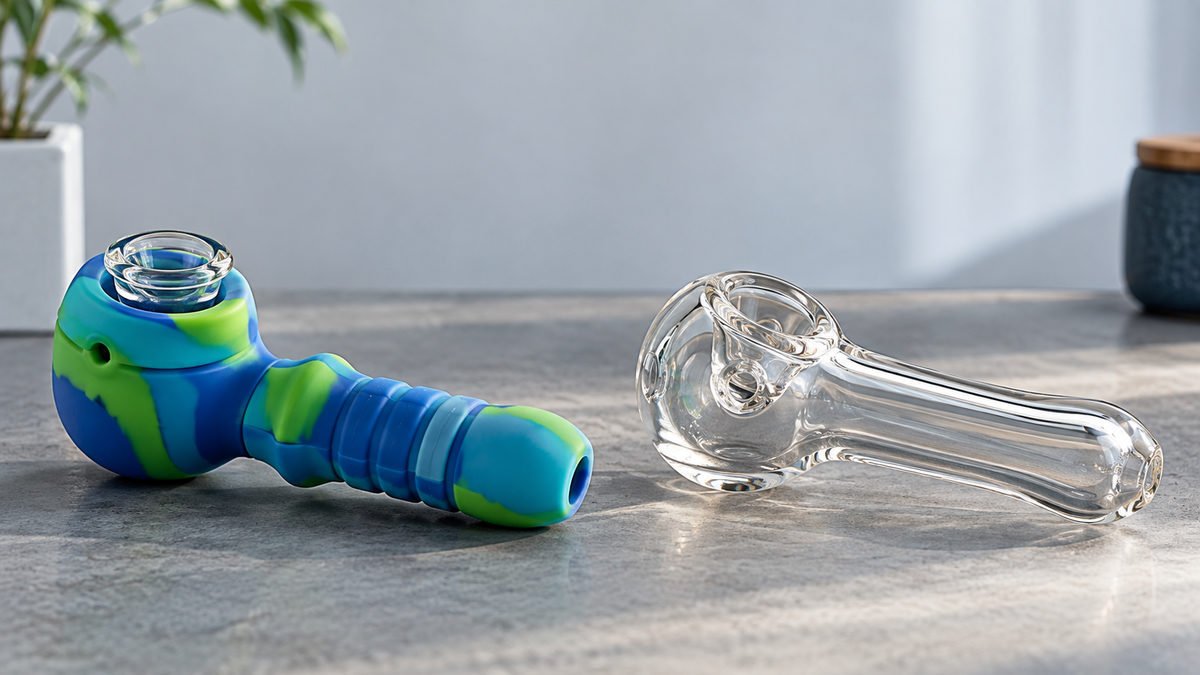
Silicone smoking pipes use flexible, heat-rated silicone around a bowl and airway. Many feature compact shapes, bright colours, removable glass bowls, or collapsible designs. They suit outdoor use, travel, and situations where accidental drops might happen. Metal is another option; see glass pipes vs metal pipes.
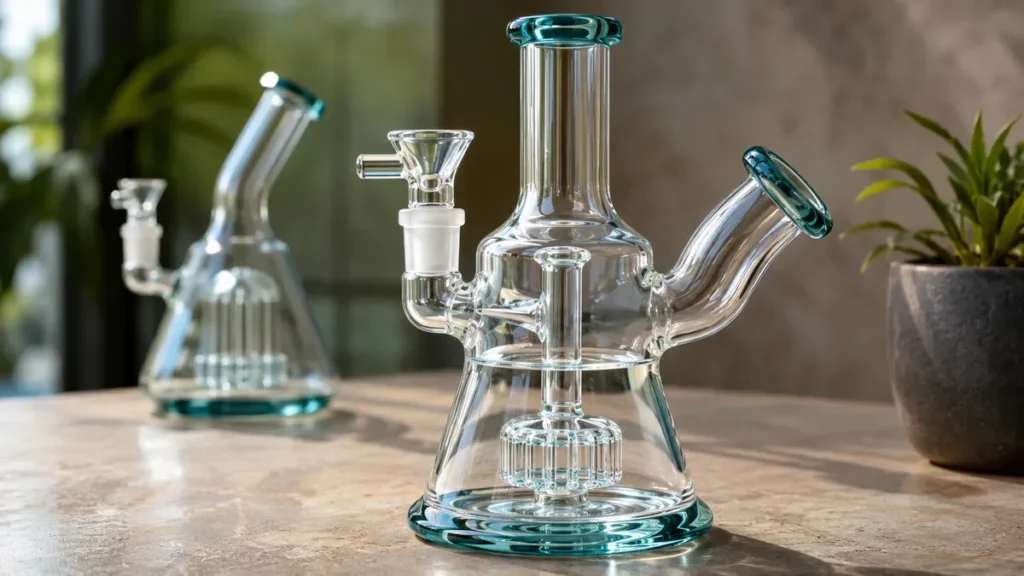
Glass smoking pipes use borosilicate or similar heat-resistant glass. Common designs include spoon pipes, chillums, Sherlock pipes, steamrollers, and glass water pipes. Glass offers a rigid structure, attractive finishes, and a neutral surface for flavour.
| Feature | Silicone pipes | Glass pipes |
|---|---|---|
| Durability | Highly flexible and impact-resistant | Strong but vulnerable to drops |
| Breakage resistance | Rarely shatters | Can crack or break sharply |
| Flavour | May retain odours over time | Usually cleaner and more neutral |
| Heat performance | Depends heavily on material quality | Generally excellent with proper use |
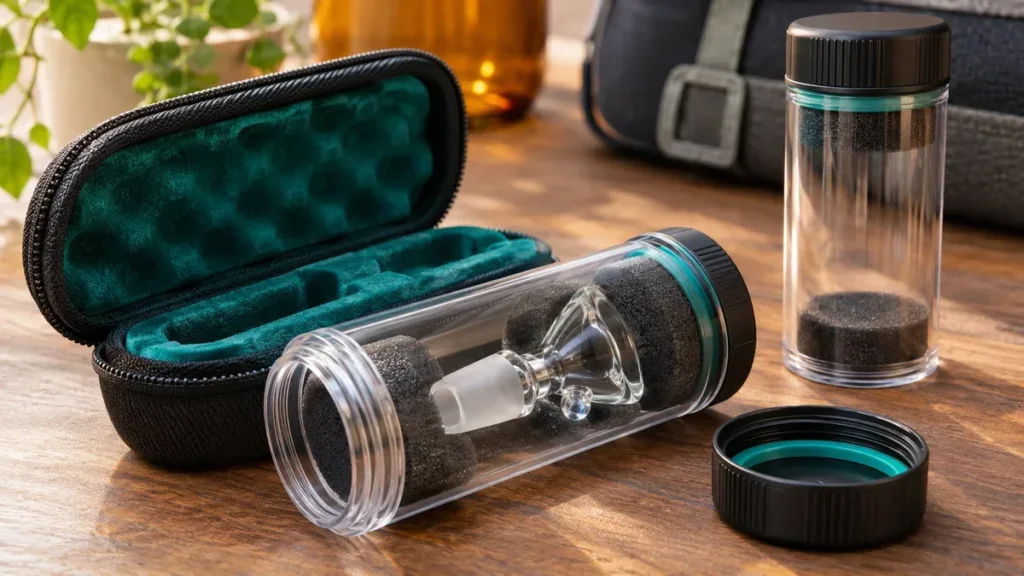
| Portability | Lightweight, flexible, and travel-friendly | Needs protective storage |
| Cleaning | Simple, but crevices may trap residue | Usually easier to deep-clean |
| Safety | Requires heat-rated, trusted silicone | Requires inspection for cracks and chips |
| Price | Often affordable | Ranges from affordable to premium |
| Lifespan | Can last years with correct care | Can last years if handled carefully |
| Appearance | Colourful and practical | Clear, artistic, and highly customisable |
In short, silicone prioritises flexibility, durability, and portability. In contrast, glass prioritises flavour purity, visual appeal, and heat performance. However, material alone does not decide quality.
Airflow, bowl size, screen design, manufacturing standards, and craftsmanship also affect the experience. Therefore, a well-made silicone pipe may outperform a poorly made glass pipe in daily convenience.
2. Durability, Heat Resistance, and Silicone Pipe Safety
How durable are silicone and glass pipes?
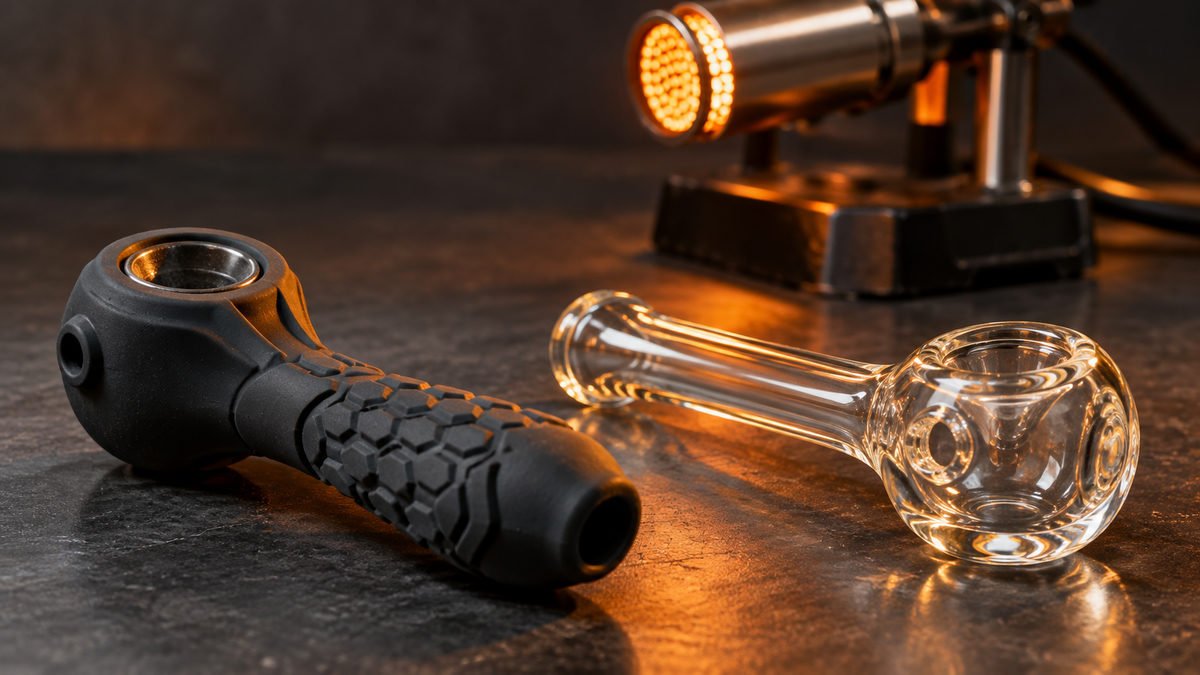
Silicone pipes handle drops, knocks, and pressure better than glass. You can place one in a crowded bag without worrying about every small impact. Additionally, flexible silicone can absorb force when it hits a hard surface. The same comparison for bongs: glass vs silicone bongs.
That explains why high-quality silicone products often receive the description “unbreakable smoking pipes”. However, the term does not mean indestructible. Seams, fittings, bowls, and removable glass parts can still crack or wear.
Glass offers impressive hardness and stability during normal use. Nevertheless, a glass pipe can chip, crack, or shatter after falling from a table. Thermal shock can also damage glass when a hot piece meets cold water or a cold surface.
Can silicone pipes melt?
Quality silicone designed for smoking use should tolerate normal heat around the bowl. However, silicone can become damaged when exposed to direct flame, overheating, or hot surfaces for too long.
Always look for heat-rated, food-grade silicone from a reputable manufacturer. Avoid unknown plastics or soft materials that lack clear specifications. A product that smells strongly when heated deserves extra caution.
Never hold a flame directly against the silicone body. Instead, keep heat focused on the bowl area and follow the product’s instructions. Additionally, place the pipe on a heat-safe surface after use.
Food-contact approval does not automatically prove suitability for smoking temperatures. The intended use matters. The US Food and Drug Administration explains food-contact safety, but smoking accessories still require material-specific judgement.
Is silicone safer than glass?
Silicone is not automatically safer than glass. Safety depends on trusted materials, sensible heating, ventilation, and proper maintenance. Therefore, always choose a product made specifically for smoking use.
Glass avoids concerns about low-quality flexible materials, but it creates different risks. Cracked glass may produce sharp edges or break during handling. Moreover, damaged glass can affect airflow and create small fragments around the bowl.
- Inspect silicone for melting, cracking, unusual odours, or surface damage.
- Inspect glass for chips, hairline cracks, sharp edges, and unstable joints.
- Replace any piece that shows heat damage or structural weakness.
- Use both materials in a well-ventilated environment.
Overall, silicone wins for impact resistance. Glass wins for predictable heat performance when it remains intact. In either case, material quality and responsible use matter more than marketing claims.
3. Flavor, Smoothness, and the Overall Smoking Experience

Glass generally provides a cleaner, more neutral flavour. Its smooth interior does not usually hold onto strong aromas after proper cleaning. As a result, many flavour-focused users prefer glass pipes for terpene clarity.
Silicone can still deliver a satisfying experience, especially during casual use. However, lower-quality silicone may retain odours or tastes after repeated sessions. Strong materials can leave behind noticeable flavours when cleaning remains incomplete.
Glass resists flavour retention better because residue usually stays on the surface. Therefore, a thorough soak and rinse can restore a cleaner taste. Silicone may require more frequent deep cleaning when used with aromatic materials.
Does glass always provide smoother hits?
Not necessarily. Smoothness depends on airflow, draw resistance, bowl size, filtration, cooling, and the overall design. A well-designed silicone pipe may feel more comfortable than a restrictive glass pipe.
Water filtration can cool and soften the draw in larger pieces. However, small glass pipes can still provide a direct and satisfying experience. Meanwhile, a silicone water pipe may offer useful flexibility during transport.
For example, a wide glass bowl with a smooth airway may feel less harsh than a narrow pipe. Additionally, a stable mouthpiece and sensible airflow can improve control. The material supports the experience, but design creates much of the difference.
Choose silicone when durability matters more than maximum flavour fidelity. Choose glass when clean taste, visual detail, and refined airflow matter most. Both options work well when the bowl and airway suit your preferences.
4. Portability, Cleaning, and Everyday Maintenance
Which pipe works best for travel?
Silicone is usually the better travel pipe. It weighs little, bends slightly, and handles pressure inside a backpack or storage case. Additionally, accidental drops create less stress during camping, festivals, or outdoor use. Glass is easy to restore once you know how to remove residue from glass pipes.
Glass requires more careful packing. A padded case can help, but it adds bulk and preparation. Therefore, glass suits users who travel carefully and value flavour over maximum impact resistance.
Silicone also packs conveniently around other soft items. However, avoid folding it tightly if the shape contains rigid fittings or a removable glass bowl. Regular pressure may weaken connections over time.
How to clean a silicone pipe
Start by removing the bowl, screen, or other detachable parts. Rinse the silicone body with warm water to loosen fresh residue. Then use a suitable cleaning solution and a soft brush for the airway.
Additionally, work slowly around bends and narrow openings. Avoid sharp tools that could scratch or puncture the surface. After cleaning, rinse every part thoroughly until no solution or residue remains.
- Disassemble removable parts before cleaning.
- Rinse with warm water.
- Apply a suitable pipe-cleaning solution.
- Brush the airway and bowl area gently.
- Rinse thoroughly and allow every part to dry.
Are silicone pipes dishwasher-safe? Only place one in a dishwasher when the manufacturer clearly labels it dishwasher-safe. High temperatures, strong detergents, and dishwasher pressure may damage some products or fittings.
How to clean a glass pipe
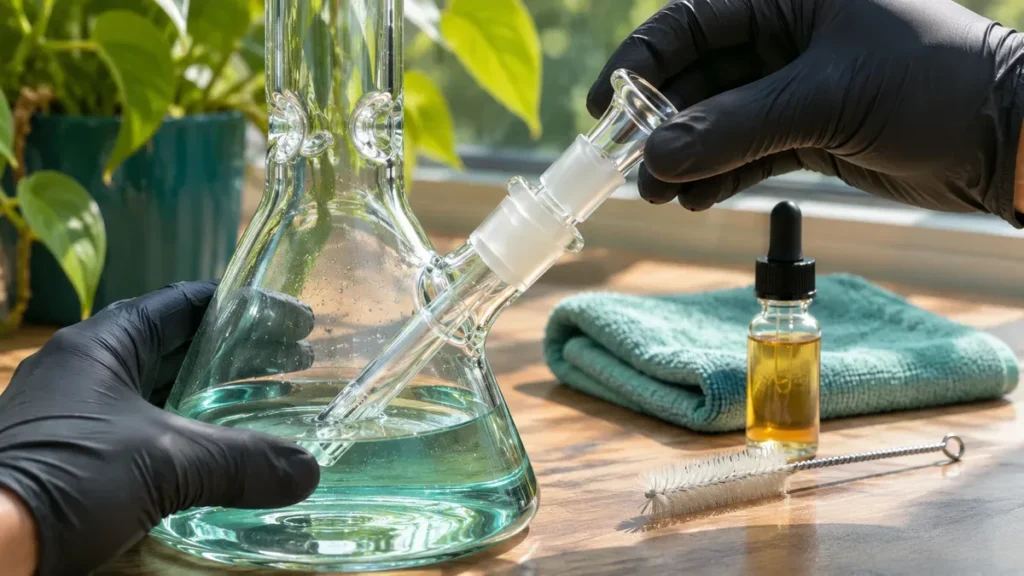
Glass usually allows more complete deep cleaning. Place the piece in an appropriate cleaning solution and follow the product instructions. Afterwards, rinse it carefully with warm water and remove softened residue with suitable brushes.
However, avoid sudden temperature changes. Hot glass can crack when placed under cold water. Additionally, handle soaked glass over a soft surface to reduce breakage risk.
Glass generally offers better hygiene because its smooth surface leaves fewer odours behind. Silicone can remain perfectly usable, but it may need more frequent deep cleaning. Designs with wide openings, removable screens, and fewer crevices simplify maintenance for both materials.
For more accessory options, browse the Sweet Puff Australia product categories and compare designs based on cleaning access, size, and construction.
5. Price, Lifespan, Design, and Environmental Value
How much do silicone and glass pipes cost?
Silicone pipes often sit at the affordable end of the market. Their moulded construction keeps manufacturing costs manageable. Therefore, replacing one after heavy wear or accidental damage may feel less expensive.
Glass pipes cover a much wider price range. Basic designs can remain affordable, while hand-finished or artistic pieces cost considerably more. Craftsmanship, glass thickness, shaping, colour work, and filtration features often influence the price.
- Entry-level silicone: practical, colourful, and inexpensive.
- Mid-range silicone: stronger fittings and improved design details.
- Entry-level glass: simple shapes with good flavour performance.
- Premium glass: artistic work, thicker glass, and advanced filtration.
In contrast, a quality glass piece may offer greater enjoyment for users who value presentation and flavour. Cost-conscious buyers should consider replacement frequency, not only the initial price.
How long do pipes last?
A high-quality silicone pipe can last for years when you protect it from excessive heat. Regular cleaning also helps prevent residue, odours, and blocked airflow. Nevertheless, repeated bending can eventually weaken seams or fittings.
Glass pipes can also last for many years with careful handling. Their main weakness involves sudden impact and thermal shock. A single fall can end the useful life of an otherwise excellent piece.
Therefore, the longer-lasting option depends on your habits. A careful home user may keep glass for a decade. Meanwhile, an outdoor user may get better practical value from silicone.
Design and environmental considerations
Silicone offers bright colours, playful shapes, and compact moulded designs. It also supports flexible travel-friendly formats. Glass provides clear finishes, artistic forms, custom colours, and more detailed filtration options.
Additionally, glass usually looks more refined on a shelf or display area. Silicone focuses on function and resilience. Neither material guarantees better airflow, so inspect the actual design before buying.
Environmental value depends on total lifespan and replacement frequency. A durable product that lasts for years can reduce repeated purchases. However, recycling options for mixed-material pipes may remain limited.
Choose a long-lasting design with replaceable parts where possible. Avoid buying disposable products that fail quickly. You can also check the available product brands to compare construction and design standards.
6. Which Pipe Is Best for Beginners, Frequent Users, and Travellers?
Best choice for beginners
Silicone often suits beginners who want affordability, easy transport, and low breakage risk. It handles everyday mistakes better and usually requires less protective storage. Additionally, many silicone designs have simple shapes and accessible cleaning points. Compare every style in types of smoking pipes explained.
Glass may suit beginners who already value flavour and careful handling. However, new users should understand that one drop can cause costly damage. A stable base and thicker construction can reduce, but not remove, that risk.
Best choice for frequent users
Frequent users should consider cleaning habits, expected handling, and flavour preferences. Glass suits people who clean regularly and want a neutral taste. Silicone suits people who prioritise convenience and lower replacement costs.
For example, a home user with a dedicated cleaning routine may prefer glass. Meanwhile, someone moving between rooms, vehicles, or outdoor locations may prefer silicone. Your routine matters as much as your personal taste.
Silicone versus glass bongs
A silicone bong may suit travel because it resists impacts and packs easily. It can also offer water filtration in a flexible format. However, check the bowl connection, base stability, and heat-rated materials carefully.
A glass bong may offer stronger visual appeal, cleaner flavour, and more refined filtration. It usually needs a stable location and careful handling. Additionally, glass can provide better visibility when checking water levels and residue.
A practical buying checklist
- Choose food-grade or clearly heat-rated material from a reputable seller.
- Check the pipe’s size, bowl capacity, and intended use.
- Look for smooth airflow and a comfortable draw.
- Inspect stability, joints, seams, and overall craftsmanship.
- Prefer removable screens and parts where practical.
- Choose a design with wide openings and fewer cleaning crevices.
- Consider storage needs, travel frequency, and replacement costs.
The decision is straightforward for most buyers. Choose silicone for durability, portability, flexibility, and reduced breakage risk. Choose glass for flavour purity, aesthetics, heat performance, and easier deep cleaning.
Sweet Puff Australia brings together water pipes, glass designs, pipes, and smoking accessories for adult customers. Explore the Sweet Puff Australia website to compare available collections and product information.
Conclusion
Silicone pipes are usually the better choice for durability, portability, affordability, and reduced breakage risk. Glass pipes generally suit users who prioritise flavour purity, refined aesthetics, heat performance, and easy deep cleaning.
However, neither material is universally best. Your handling habits, travel needs, cleaning routine, and flavour preferences should guide the decision. Product quality also matters, including airflow, bowl design, craftsmanship, and heat-rated materials.
Choose a high-quality silicone pipe if you need a durable, travel-friendly option. Alternatively, select a well-made glass pipe if flavour and refined performance matter most. Before buying, verify the material quality, size, airflow, stability, craftsmanship, and cleaning requirements.