
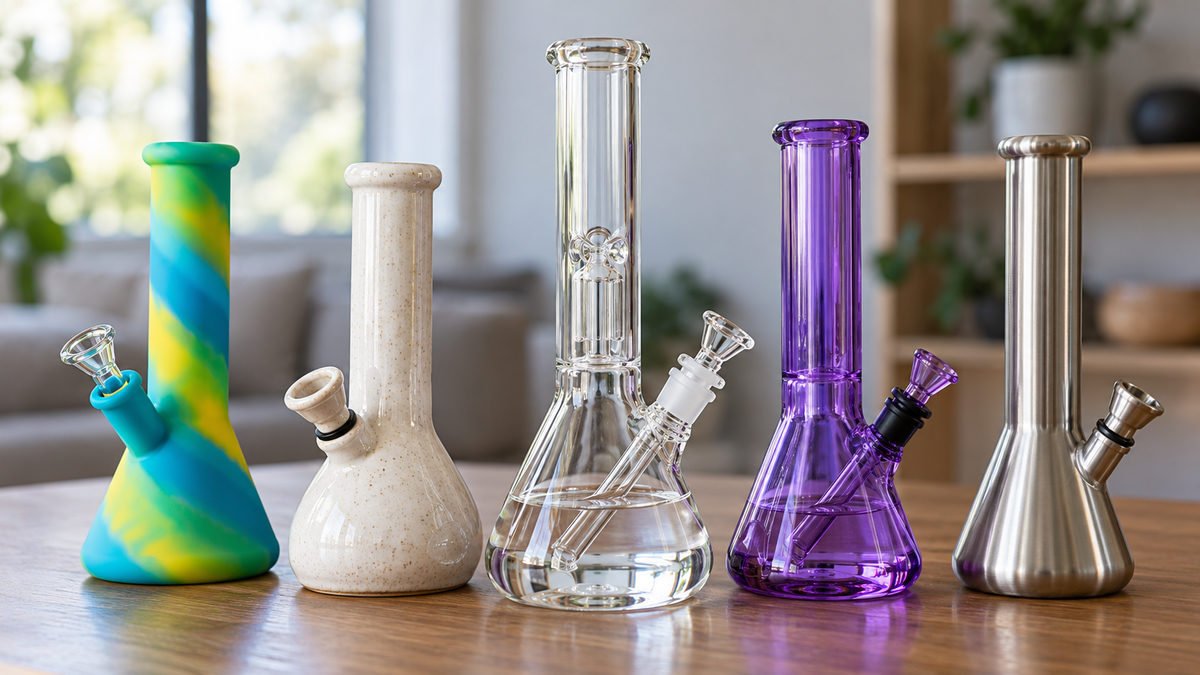
Choosing a bong is not only about shape or size. The material can change flavour, durability, portability, cleaning, and price. This bong materials comparison guide compares glass, silicone, ceramic, acrylic, and metal options. You’ll see which material suits beginners, travellers, flavour-focused buyers, budget shoppers, and collectors. Always purchase and use these products only if you are an adult and local laws permit it.
Bong Materials Comparison Guide: What Matters Most?

The right material depends on how you plan to store, clean, carry, and use your bong. Durability matters in busy households, while flavour quality matters more to buyers who want a clean and neutral experience. Meanwhile, portability becomes important for outdoor use or frequent travel.
Heat resistance also deserves attention. Reputable borosilicate glass offers strong thermal stability, while silicone, acrylic, ceramic, and metal need different quality checks. For example, unknown plastics, coatings, adhesives, or low-grade alloys can create safety and performance concerns.
Filtration quality depends on more than the main material. Percolator design, airflow, water level, joint precision, bowl size, and water capacity can all change the experience. Therefore, a well-constructed bong can outperform a poorly made product with a supposedly premium material.
This guide compares five common materials:
- Borosilicate glass: valued for clean flavour, clarity, and refined construction.
- Silicone: flexible, lightweight, and resistant to accidental drops.
- Ceramic: solid, decorative, and popular with design-focused buyers.
- Acrylic: affordable, colourful, and lightweight.
- Metal: rugged, portable, and difficult to shatter.
Construction quality matters as much as the material label. Look for stable bases, secure joints, smooth openings, reliable seals, and replaceable components. Additionally, choose reputable products with clear material information and heat-safe construction.
For background, SCHOTT’s explanation of borosilicate glass covers its chemical durability and low thermal expansion. Buyers should also check applicable Australian laws and follow responsible-use practices.
Why construction quality matters
A thick glass bong can still break if it has a narrow, unstable base. Similarly, a flexible silicone bong may become awkward if its chamber collapses during use. The best design balances material properties with practical engineering.
Check whether the downstem fits firmly and whether the bowl sits securely. Also, inspect the base, mouthpiece, seals, and percolator before buying. These details often influence comfort, cleaning, and longevity more than the material alone.
Glass vs Silicone Bong: Flavor, Durability, and Everyday Use
Borosilicate glass bong advantages
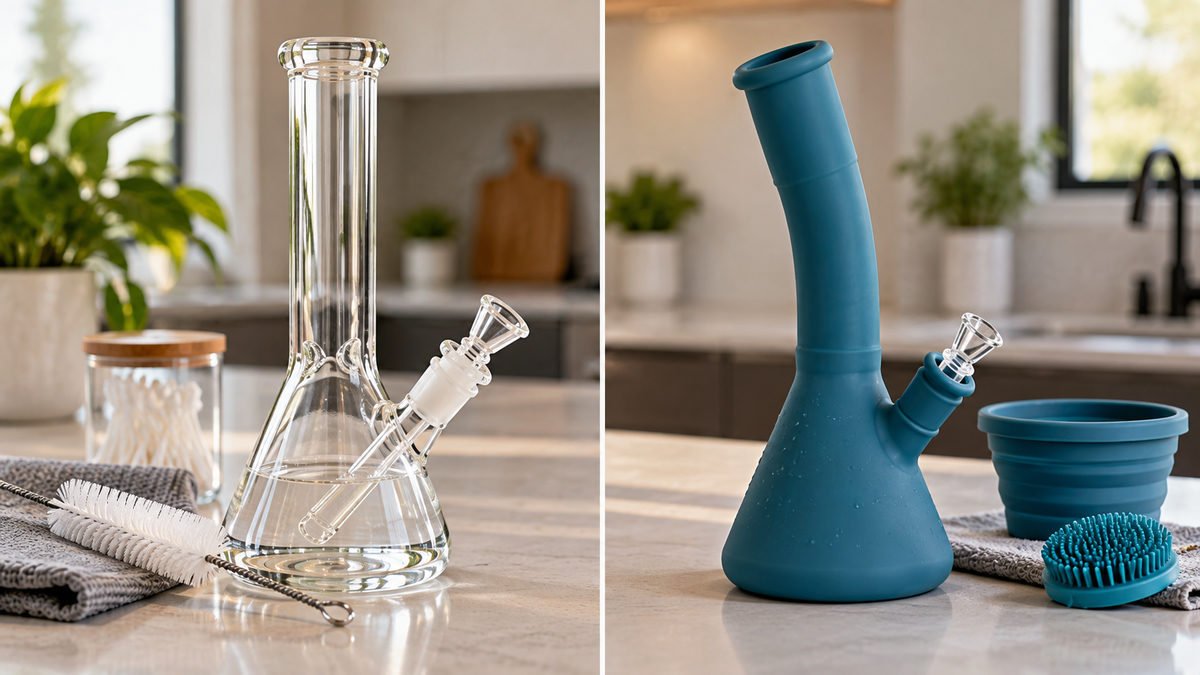
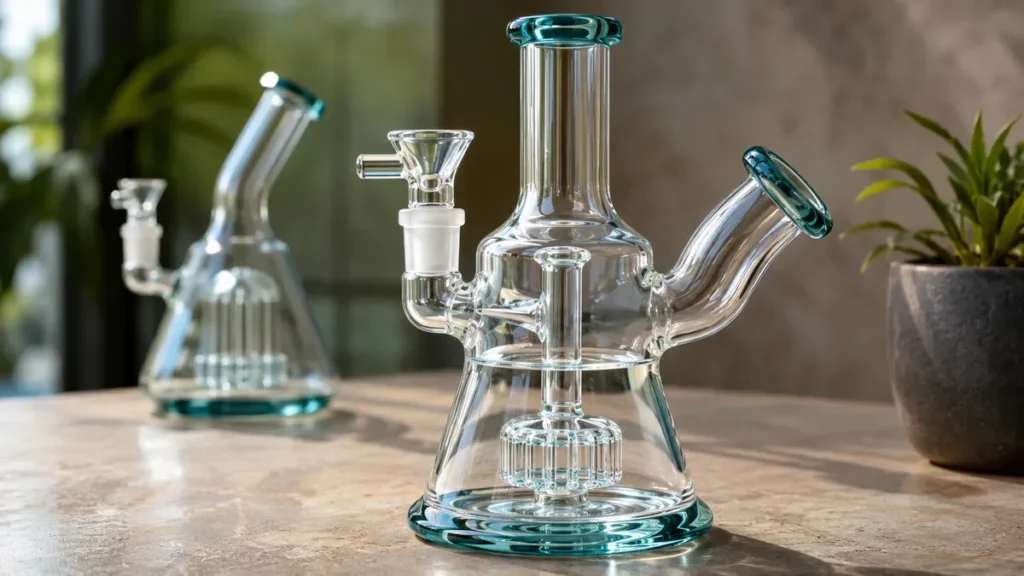
Borosilicate glass remains a popular choice because it usually provides a clean, neutral flavour. The material has strong chemical stability and does not normally add a noticeable taste when properly made and maintained. For the full breakdown, read glass vs silicone bongs.
Additionally, transparent glass lets you inspect the water, residue, downstem, and percolator. This visibility makes daily maintenance easier because you can spot cloudy water or buildup quickly. Clear chambers also help you understand how water moves through the filtration system.
Glass offers a wide range of shapes, sizes, and percolator designs. You can find compact pieces, large multi-chamber models, artistic designs, and simple beginner-friendly options. Therefore, glass suits buyers who value choice and refined appearance.
However, glass has an obvious weakness: it can break. A knock against a bench, tile floor, or crowded shelf may cause cracks or complete damage. Larger glass bongs can also feel heavy and awkward to carry.
Replacement costs may become important over time. A broken downstem or bowl can often be replaced, but a damaged chamber may require a new bong. For that reason, glass works best when you have secure storage and a stable place for cleaning.
Silicone bong benefits and limitations
Silicone bongs offer flexibility, impact resistance, and easy portability. They suit households where accidental drops are common, as well as users who want a practical option for travel or outdoor settings.
Most silicone models weigh less than comparable glass pieces. They can also tolerate knocks that would seriously damage glass. As a result, silicone often provides better peace of mind in backpacks, caravans, and busy living spaces.
Affordability adds another advantage. A silicone bong usually costs less than a similarly sized artistic glass model. Moreover, many designs can be separated into simple parts, which helps with transport and storage.
However, silicone may retain odours more readily than glass. Staining can also appear around the bowl, downstem, or chamber. The material’s softness may affect stability, especially when the base feels too flexible.
Quality makes a major difference. Choose high-quality, heat-safe silicone from a reputable seller. Avoid products with strong chemical odours, uncertain coatings, or unclear material descriptions.
Which material filters better?
Neither glass nor silicone automatically provides better filtration. Percolator shape, airflow, water depth, and chamber design usually matter more. A simple glass bong can filter smoothly, while a complicated model may perform poorly if the airflow is restricted.
Similarly, a silicone bong can offer comfortable filtration when its downstem and water level work correctly. Therefore, compare the full design rather than judging performance from the material alone.
Is glass better than silicone?
Glass is usually better for flavour, visual inspection, appearance, and detailed construction. Silicone is usually better for impact resistance, portability, affordability, and travel.
Glass also tends to be easier to clean because residue releases from smooth surfaces. Silicone may need extra attention when odours or stains develop. Ultimately, glass suits flavour-focused buyers, while silicone suits practical users who prioritise durability.
Ceramic, Acrylic, and Metal Bong Pros and Cons
Ceramic bongs
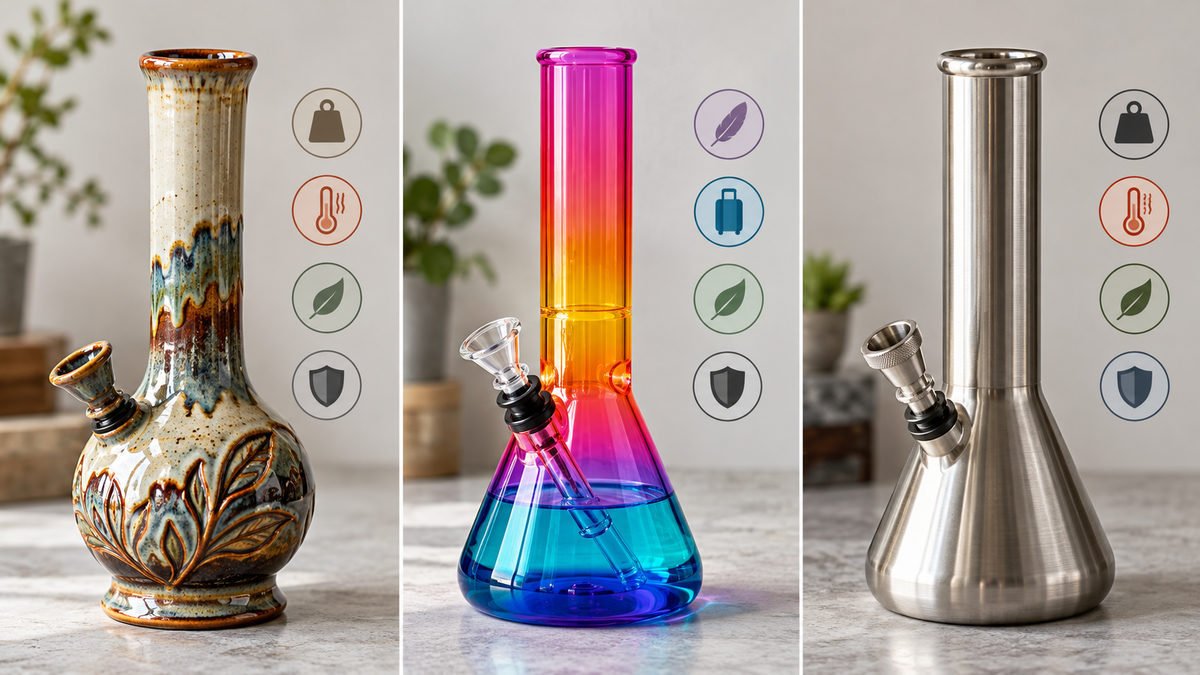
Ceramic bongs appeal to buyers who want a distinctive, handcrafted appearance. They often feature unusual shapes, textured surfaces, painted details, and decorative finishes. Therefore, ceramic can feel more like a display piece than a basic accessory. Acrylic gets its own comparison in glass vs acrylic bongs.
Ceramic also retains heat well and usually feels solid in the hand. Its weight can provide excellent stability on a table or shelf. Meanwhile, the material offers design variety that mass-produced glass models may not match.
However, ceramic can crack or chip after impact. A heavy piece may also damage a hard surface if dropped. Additionally, opaque chambers make it difficult to inspect water levels and internal residue.
Cleaning may take more effort when the interior contains textured areas or narrow passages. Inspect glazed sections regularly, especially around the bowl, joint, and base. Avoid using a cracked piece, since damage may worsen with heat and handling.
Acrylic bongs
Acrylic bongs are often inexpensive, lightweight, and available in bright colours. They suit budget-conscious buyers who want a simple entry-level option without paying for thick glass or detailed craftsmanship.
The material also offers useful impact resistance. An acrylic bong may survive a fall that would destroy glass. For example, it can work well in temporary accommodation or a crowded room where storage space remains limited.
Nevertheless, heat quality matters greatly with acrylic. Buyers should verify that the product uses heat-safe construction and reputable components. Avoid unknown plastics, painted interiors, questionable coatings, or products with strong unusual odours.
Inspect acrylic for warping, scratches, clouding, or damage around the bowl and joint. Excessive heat, harsh chemicals, or abrasive cleaning tools can damage the surface. Therefore, a low purchase price should not outweigh unclear material information.
Metal bongs
Metal bongs provide ruggedness, portability, and strong resistance to shattering. They suit outdoor use, travel, and situations where break resistance matters more than transparency or visual refinement.
A metal body can also provide a stable, durable structure. However, metal transfers heat quickly, which may affect comfort and the overall experience. Some users may notice a metallic taste, especially with lower-quality alloys or damaged coatings.
Condensation can also collect inside metal chambers. Since you cannot see through the body, checking water and residue requires more frequent disassembly. Lower-quality metals may corrode, oxidise, or react poorly with unsuitable cleaning products.
Ceramic versus glass
Glass usually wins for neutral flavour, easy inspection, and lighter visual presentation. It also makes it easier to monitor water quality and residue. However, ceramic often feels heavier, more stable, and more distinctive.
Ceramic appeals to collectors and buyers who value craftsmanship. Glass suits people who prioritise clarity, filtration visibility, and a clean taste. Both materials can last for years with careful storage, but neither handles accidental drops well.
Do metal bongs affect taste?
Metal can affect taste when the alloy, coating, residue, or heat transfer creates an unwanted flavour. Properly made glass usually offers more flavour neutrality. However, clean water and regular maintenance remain essential with every material.
Bong Material Comparison Table: Best Uses at a Glance
| Material | Durability | Heat resistance | Flavour | Portability | Cleaning | Appearance | Price | Expected lifespan |
|---|---|---|---|---|---|---|---|---|
| Borosilicate glass | Moderate | High | Very neutral | Moderate to low | Easy | Clear and refined | Moderate to high | Several years with care |
| Silicone | High | Good when heat-safe | Usually neutral, but odours may linger | High | Moderate | Colourful and flexible | Low to moderate | Several years with proper care |
| Ceramic | Moderate | High | Usually clean | Low | Moderate to difficult | Decorative and artistic | Moderate to high | Several years if protected |
| Acrylic | Good against impact | Varies by construction | Can vary by quality | High | Moderate | Bright and practical | Low | Short to moderate term |
| Metal | Very high | Good, depending on alloy | May affect taste | High | Moderate | Industrial and discreet | Low to moderate | Several years with care |
Best general-purpose choice: Borosilicate glass suits flavour-focused buyers who value visual inspection, broad availability, and refined construction. Glass itself varies too; see thick glass vs thin glass bongs.
Best for travel: Silicone offers flexibility and impact resistance. Metal also works well when ruggedness and shatter resistance matter most.
Best for collectors: Ceramic provides decorative appeal, craftsmanship, and strong heat retention. Artistic glass offers a similar display focus with greater transparency.
Best affordable option: Acrylic can provide a low-cost entry point when made from reputable, heat-safe materials. Entry-level glass may offer better long-term value when handled carefully.
Price should include more than the initial purchase. Consider replacement risk, accessory compatibility, cleaning supplies, storage needs, and expected lifespan. A cheaper bong may cost more if it breaks quickly or needs difficult-to-find parts.
For more product browsing, explore the Sweet Puff Australia shop or review the available product categories before making a decision.
How to Choose the Best Bong Material for Your Priorities
For beginners
Beginners should prioritise stability, simple filtration, manageable size, and easy cleaning. A straightforward borosilicate glass design often provides clear visibility and accessible replacement parts.
However, silicone may suit beginners who worry about accidental drops. Choose a stable base, secure downstem, comfortable mouthpiece, and reputable material information. Avoid choosing purely by the lowest price.
For flavour-focused users
Borosilicate glass is commonly preferred because it usually provides a neutral taste. Its transparent chamber also makes it easier to identify stale water and residue.
Additionally, flavour depends on maintenance. Use clean water, replace dirty components, and remove residue before it hardens. Even the best glass bong cannot compensate for neglected cleaning.
For frequent travellers
Silicone and metal are practical choices for travel because both resist shattering. Silicone usually weighs less, while metal often provides a more rigid structure.
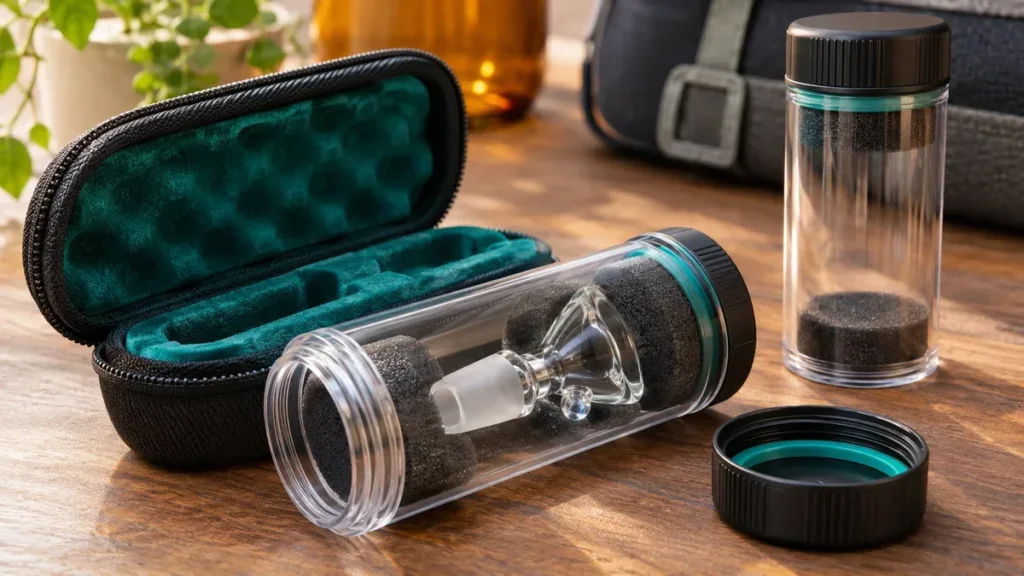
Compact design matters just as much as the material. Look for secure storage, reliable seals, a stable base, and a design that reduces leaks. Furthermore, protect removable parts from crushing or impact inside luggage.
For budget shoppers
Acrylic often offers the lowest upfront price. However, compare its construction, heat safety, cleaning requirements, and replacement risk against entry-level glass.
Glass may cost more initially but provide better flavour and longer service when stored carefully. Therefore, long-term value depends on handling habits rather than purchase price alone.
For collectors and design-focused buyers
Ceramic and artistic glass suit buyers who value appearance, uniqueness, and craftsmanship. Ceramic offers a solid decorative feel, while artistic glass provides colour, transparency, and detailed shapes.
In contrast, metal and acrylic usually focus more on function than display value. Choose the material that matches your storage space, cleaning habits, and interest in long-term collectability.
Which material resists breaking best?
Silicone generally offers the best flexibility against accidental drops. Metal provides excellent shatter resistance, while acrylic handles impact better than standard glass.
Glass and ceramic remain more vulnerable to knocks, chips, and hard falls. Thick construction can reduce risk, but it cannot make either material unbreakable.
How long can different bong materials last?
Quality glass, silicone, ceramic, and metal can last for several years with careful storage and regular cleaning. Acrylic may also last well, but heat exposure, scratches, and surface damage can shorten its useful life.
Frequency of use, cleaning habits, heat exposure, storage, and accidental impact all affect lifespan. As a result, a well-maintained affordable bong may outlast a neglected premium piece.
Bong Maintenance, Cleaning, and Environmental Considerations
Change the water regularly and remove residue before it hardens. Inspect joints, seals, downstems, and bowls for damage or loose connections. Additionally, store the bong securely away from edges, pets, children, and crowded shelves.
Cleaning by material
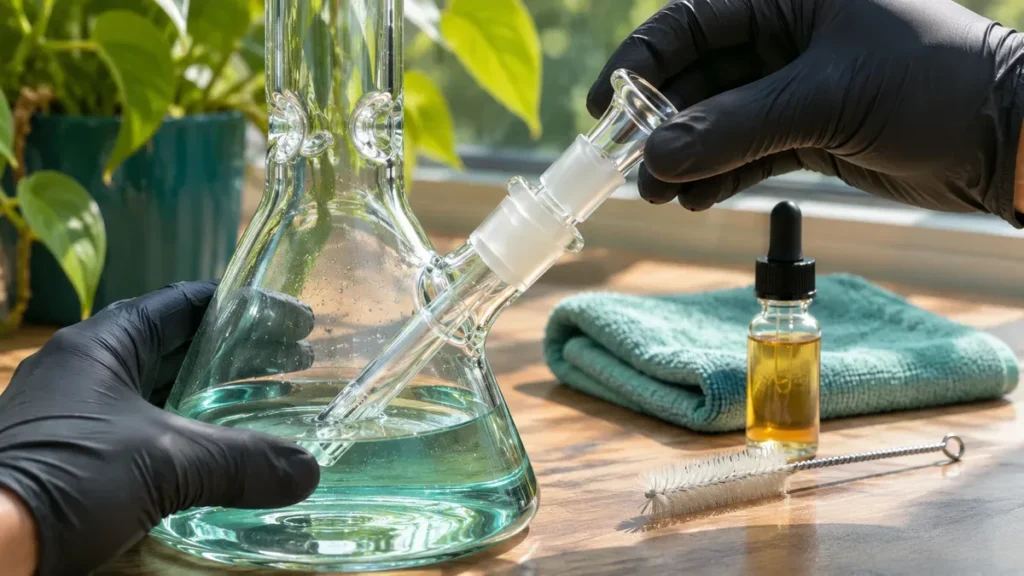
- Glass: Transparent chambers make residue easy to identify. Use compatible cleaning solutions, warm-water rinsing, and careful handling to preserve clarity.
- Silicone: Follow the manufacturer’s instructions and rinse thoroughly. Address odours promptly, and avoid methods that roughen or degrade the surface.
- Ceramic: Inspect for cracks and clean carefully around textured or glazed areas. Allow the piece to dry fully before storage.
- Acrylic: Avoid excessive heat, harsh chemicals, abrasive tools, and methods that can cloud or warp the surface.
- Metal: Check alloy and coating compatibility before cleaning. Dry thoroughly and inspect regularly for scratches, flaking, oxidation, or corrosion.
Environmental impact also varies between materials. Glass and metal may offer long service lives and recycling potential in some local systems. Silicone, acrylic, and ceramic require different disposal guidance, so check local facilities before discarding damaged products.
Most importantly, prioritise durable, repairable, reputable products over disposable or unknown-material alternatives. Replacing a broken product repeatedly can create more waste than choosing a suitable, longer-lasting option initially.
For more buying information and accessory options, visit the Sweet Puff Australia blog and browse the verified product brands available through the store.
Conclusion
Borosilicate glass is usually the strongest choice for clean flavour, visual inspection, and refined performance. Silicone and metal suit travel and impact resistance, while ceramic appeals to design-focused buyers. Acrylic offers affordability when made from reputable, heat-safe materials.
Construction quality, filtration design, maintenance, and intended use should guide the final decision. Compare reputable options using the material table, prioritise heat-safe construction, and choose the bong material that best matches your flavour, durability, portability, cleaning, and budget priorities.
Sweet Puff Australia brings together water pipes, glass designs, and smoking accessories for adult customers in Australia. Explore the website to compare available collections and product details before choosing a suitable material.

Comment (1)
[…] Glass bongs usually use heat-resistant borosilicate glass for the water chamber, neck, mouthpiece, downstem, and bowl. Their clear construction makes water levels and residue easy to inspect. Additionally, glass supports precise joints, removable parts, and complex percolators. See every option in our bong materials comparison guide. […]