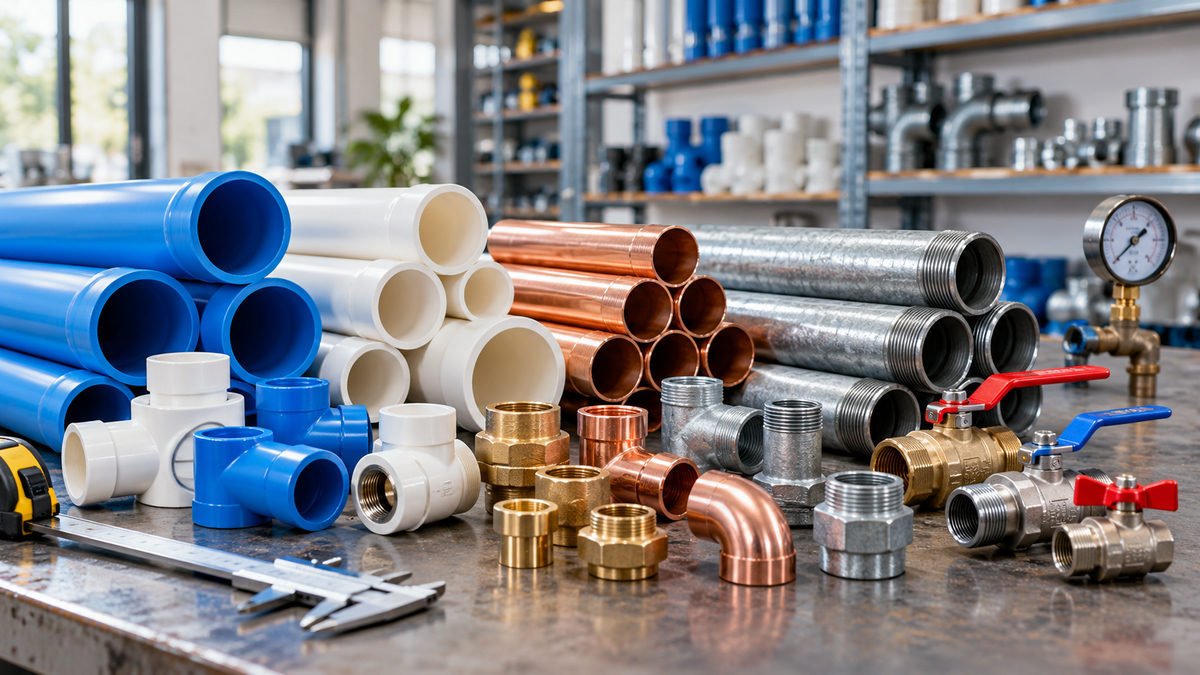
Have you ever chosen a water pipe that looked perfect, only to discover the fittings do not match? Water pipe product descriptions explained in clear terms can prevent leaks, poor flow, unsafe use, and expensive replacement. Product listings often include nominal size, SDR, Schedule, PN, wall thickness, and working pressure. This guide translates those terms for Australian buyers, contractors, retailers, plumbers, and content creators.
Water Pipe Product Descriptions Explained: What to Look For
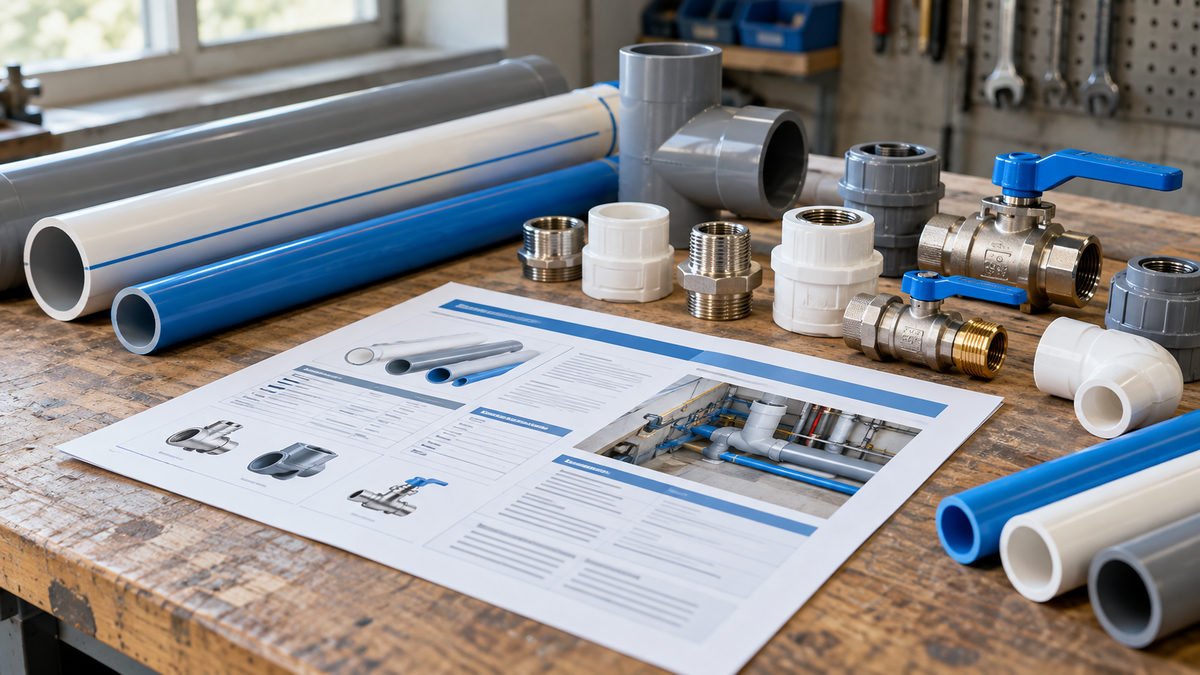
A water pipe product description connects technical features with a real installation. It should help you decide whether the pipe suits drinking water, irrigation, plumbing, agriculture, or industrial service. Therefore, a useful description explains both what the product is and where it can operate safely. For local context, see our water pipes Australia guide.
Most complete descriptions follow a familiar structure. They usually include the product name, application, material, dimensions, pressure rating, temperature limits, standards, certifications, fittings, installation requirements, packaging, and warranty information.
Additionally, check the essential measurements before comparing prices. These usually include the pipe type, nominal size, outside diameter, inside diameter, length, wall thickness, weight, colour, flexibility, and expected service life.
How to Read the Main Product Details
The pipe type may describe pressure pipe, drainage pipe, conduit, irrigation pipe, or a multilayer plumbing pipe. The application matters because a drainage pipe may not withstand pressurised water. Similarly, an irrigation pipe may not carry approval for drinking water.
Nominal size provides a standard name, rather than an exact measurement. The actual outside diameter and inside diameter may differ between materials and sizing systems. Meanwhile, wall thickness affects pressure strength, internal flow space, weight, and connection compatibility.
Length and packaging also influence planning. A flexible pipe may arrive in a 50-metre coil, while rigid pipe may come in six-metre lengths. Therefore, transport access, storage space, cutting waste, and installation labour can affect the true project cost.
Short Listing Versus Technical Data
A customer-focused description should explain the main benefits in plain English. It might mention easy handling, corrosion resistance, suitability for cold water, or compatibility with compression fittings. However, it should not replace technical documentation.
A manufacturer data sheet normally provides pressure tables, temperature limits, dimensional tolerances, chemical compatibility, standards, and installation instructions. Commercial, agricultural, and industrial buyers should request this information before ordering large quantities.
For example, a clear potable-water description could read: “25-millimetre PE pressure pipe for approved drinking-water systems. It has a 25-millimetre nominal size, stated outside diameter, defined wall thickness, and maximum working pressure at a specified temperature. Use only with compatible PE fittings and follow the manufacturer’s burial and pressure-testing instructions.”
That wording gives buyers useful context without hiding important limits. Most importantly, it separates the product’s intended use from assumptions based only on appearance or material name.
Understanding Water Pipe Types, Materials, Sizes, and Dimensions

Pipe material affects flexibility, corrosion resistance, impact strength, chemical compatibility, UV performance, installation method, maintenance, durability, and cost. Therefore, material selection should follow the application rather than personal preference. Not sure what size you need? Read how to choose a pipe size.
| Material | Common strengths | Important limitations |
|---|---|---|
| PVC | Lightweight, corrosion resistant, and economical | Can become brittle under impact, cold, or prolonged UV exposure |
| CPVC | Suitable for selected hot and cold water systems | Needs temperature-specific approval and compatible joining products |
| PEX | Flexible, quick to install, and useful in indoor plumbing | Requires UV protection and approved fittings |
| Copper | Durable, rigid, and suitable for many plumbing systems | Costs more and may face corrosion in aggressive water |
| HDPE | Flexible, impact resistant, and suitable for buried runs | Needs correct fusion equipment or approved mechanical fittings |
| Galvanised steel | Strong and resistant to some physical damage | Heavy, difficult to modify, and vulnerable to internal corrosion |
Rigid and Flexible Water Pipes
Rigid pipes, such as copper, PVC, and galvanised steel, hold their shape during installation. They often suit exposed services, plant rooms, building risers, and straight underground runs. However, rigid systems need more elbows and careful support when the layout changes direction.
Flexible pipes, including PEX and HDPE, can follow gentle curves with fewer joints. As a result, they can reduce connection points and simplify long residential, agricultural, or buried installations. Always check the minimum bend radius because forcing a curve can damage the pipe.
Nominal Size and Actual Dimensions
Nominal pipe size acts as a recognised label, not a guaranteed tape-measure result. The outside diameter may remain standard while wall thickness changes. Consequently, the inside diameter can vary between pressure classes.
Pipe descriptions may list nominal size, outside diameter, inside diameter, or pipe diameter. Ask the supplier which measurement appears in the listing. This question prevents mismatched valves, fittings, sleeves, pumps, and connection tools.
Size also affects flow capacity and installation space. A larger pipe usually reduces friction loss, but it may require larger fittings and more support. Therefore, confirm the complete connection system instead of choosing a larger pipe by guesswork.
Length, coil size, straight lengths, weight per metre, and packaging affect transport and labour. For example, a long HDPE coil may reduce joints but require more space for unwinding. Meanwhile, rigid lengths may suit narrow access routes but create more cutting and joining work.
Pressure Ratings, Temperature Limits, and Flow Capacity

A water pipe pressure rating describes the pressure the pipe can handle under stated conditions. It does not mean the pipe can safely withstand any pressure at every temperature. Therefore, always read the rating alongside the material, temperature, service life, and installation standard. See our pipe materials and durability comparison.
Schedule, SDR, PN, and Working Pressure
Schedule usually identifies a wall-thickness range for certain pipe systems. A higher Schedule often means a thicker wall, although the exact relationship depends on the pipe size and standard.
SDR means standard dimension ratio. It compares the outside diameter with the wall thickness. A lower SDR generally indicates a thicker wall relative to the outside diameter.
PN describes a nominal pressure class, commonly expressed in bar. However, the actual allowable working pressure depends on the material, temperature, standard, and design assumptions.
Maximum working pressure differs from test pressure and burst pressure. A short pressure test checks system integrity, while burst pressure represents failure conditions. Buyers should never use a test or burst figure as the normal operating limit.
Temperature and Service Life
Temperature changes the strength and expected service life of many water pipes. Hot water can reduce the allowable pressure of plastic pipe. Additionally, freezing water can expand and split pipes, even when the normal pressure rating looks suitable.
Thermal expansion also affects long exposed runs. Flexible pipe may need movement allowance, while rigid pipe may need expansion loops, anchors, or sliding supports. Always follow the manufacturer’s temperature derating table.
Flow Rate and Pipe Size
Flow capacity depends on internal diameter, pipe length, friction loss, water velocity, fittings, valves, elevation, and available pressure. A smaller internal diameter creates greater resistance over a long run. However, a larger pipe cannot fix an undersized pump or restricted valve.
To choose a suitable size, consider fixture demand and simultaneous use. Check the available pressure, run length, elevation changes, fittings, and pump performance. For example, a rural tank supply may need a different design from a short residential bathroom branch.
- Low-pressure homes may need careful sizing to protect usable flow.
- Commercial buildings often require coordinated hydraulic calculations.
- Irrigation systems must account for zone demand and pressure variation.
- Industrial systems require fluid compatibility and controlled operating limits.
Finally, confirm whether the stated rating applies to a particular temperature, installation method, or design life. A product may appear suitable until those conditions reduce its allowable pressure.
Potable Water Safety, Certifications, and Water Pipe Standards
Several materials may suit drinking water, including approved PVC, PEX, copper, and HDPE. However, the material name alone does not prove that a specific product is safe for potable water. The formulation, manufacturing process, certification, and intended use all matter. Certification ties into Australian water pipe laws.
Look for clear wording that identifies drinking-water approval. A pipe made for drainage, irrigation, conduit, or industrial fluids may not be suitable for water intended for consumption. Therefore, ask for certification covering the exact product range and size range.
NSF/ANSI 61 covers health-effect requirements for materials and components that contact drinking water, including pipes, hoses, and fittings. You can review the NSF explanation of drinking-water components for background.
Additionally, verify Australian requirements that apply to the installation. Check current national, state, territory, plumbing, building, and water-safety rules. A product may carry an overseas certification that does not satisfy local approval requirements.
Product markings provide useful evidence. Look for the manufacturer’s name, product code, batch identification, pressure class, standard, certification number, and compliance statement. These details help trace the product and resolve disputes.
Most importantly, ask for current technical documents covering chemical compatibility, disinfectant exposure, temperature, and installation restrictions. Warning signs include vague claims such as “food safe”, missing standards, unclear certification scope, and conflicting pressure data.
Fittings, Connection Methods, and Installation Requirements
Pipe and fitting compatibility depends on material, dimensional standard, wall thickness, pressure class, and connection system. Therefore, confirm the complete assembly before purchasing. Check valves, adapters, manifolds, supports, transition fittings, and end caps as well.
Common Connection Methods
- Solvent cement joins compatible plastic pipe and fittings through chemical bonding.
- Heat fusion and electrofusion join approved thermoplastic components.
- Crimp fittings and clamp rings commonly connect flexible plumbing pipe.
- Press fittings provide fast connections when the pipe system allows them.
- Compression fittings suit selected plastic and metal pipe applications.
- Threaded connections require matching thread types and careful sealing.
- Soldering joins some copper systems under controlled conditions.
- Mechanical couplings connect selected pipes during repairs or transitions.
Never assume that a fitting fits because its nominal size looks familiar. A 25-millimetre fitting may suit one outside-diameter system but not another. Similarly, a fitting designed for thin-wall pipe may not grip a thicker pressure pipe correctly.
Installation Conditions
Installation requirements may include minimum bend radius, support spacing, trench depth, bedding, backfill, expansion allowance, and abrasion protection. Buried pipe also needs attention to soil type, groundwater, traffic loads, and possible ground movement.
Above-ground systems may need UV protection, insulation, restraint, or protection from impact. Meanwhile, freezing conditions, heat, chemicals, vibration, rodents, and movement can change the correct pipe choice.
Common mistakes include mixing incompatible fittings, using the wrong joining method, over-tightening threads, ignoring bend limits, and skipping pressure tests. Additionally, some systems require specialist tools or a licensed plumber under local regulations.
How to Compare Water Pipe Products and Avoid Buying Mistakes
Compare equivalent specifications side by side. Brand reputation and price matter, but neither proves that a pipe suits your installation. Use manufacturer data sheets, installation manuals, technical drawings, chemical-resistance charts, pressure tables, and certification documents. Use our checklist to compare water pipe specifications.
| Check | Question to ask |
|---|---|
| Material | Does it suit the water, chemicals, temperature, and environment? |
| Dimensions | Are the measurements nominal, outside, or inside dimensions? |
| Pressure | What is the working pressure at the operating temperature? |
| Flow | Does the internal diameter meet the required flow demand? |
| Compliance | Does certification cover this exact product and application? |
| Fittings | Are compatible valves, adapters, and joining tools available? |
| Installation | Are there limits for bending, burial, support, or UV exposure? |
Descriptions should also reflect the application. Residential plumbing needs fixture flow and indoor temperature guidance. Commercial buildings need coordinated pressure and installation data. Agricultural and rural systems need information about long runs, burial, pumps, UV, and ground movement.
Industrial buyers may need chemical compatibility, process-fluid approval, temperature cycling, and traceability. Therefore, one generic description rarely provides enough information for every project.
- Be cautious when dimensions are missing or unclear.
- Check for pressure-temperature relationships, not pressure alone.
- Question unsupported service-life claims.
- Ask for evidence of potable-water certification.
- Avoid generic images that do not show actual markings.
- Confirm fitting compatibility before ordering.
Before buying, confirm the fluid, application, water temperature, required flow, operating pressure, installation environment, local compliance requirements, compatible fittings, and available documentation. If the listing omits any critical detail, ask the supplier to confirm it in writing.
Retailers should provide plain-language benefits, technical specifications, application limits, certifications, sizing guidance, fitting compatibility, installation notes, and a link to the current product data sheet. This approach helps customers compare products confidently and reduces avoidable returns.
For broader product browsing, explore the Sweet Puff Australia product categories or visit the Sweet Puff Australia blog for related product information. These links are separate from plumbing compliance advice, so always rely on the manufacturer and local authorities for installation decisions.
Conclusion
A reliable water pipe product description should explain material, dimensions, sizing system, wall thickness, pressure limits, temperature limits, flow suitability, certifications, fittings, installation requirements, and application limits. Buyers should compare equivalent specifications instead of relying on price or familiar labels.
When drinking water is involved, verify approval for the exact product and intended use. Then consult current manufacturer documentation before ordering. Use the checklist in this guide to review your next water pipe product description, and ask the supplier to confirm every missing specification.
Sweet Puff Australia brings together product categories and practical buying information for adults exploring water pipes, glass designs, and accessories. Visit the Sweet Puff Australia website to browse its collections and learn more about available product details.