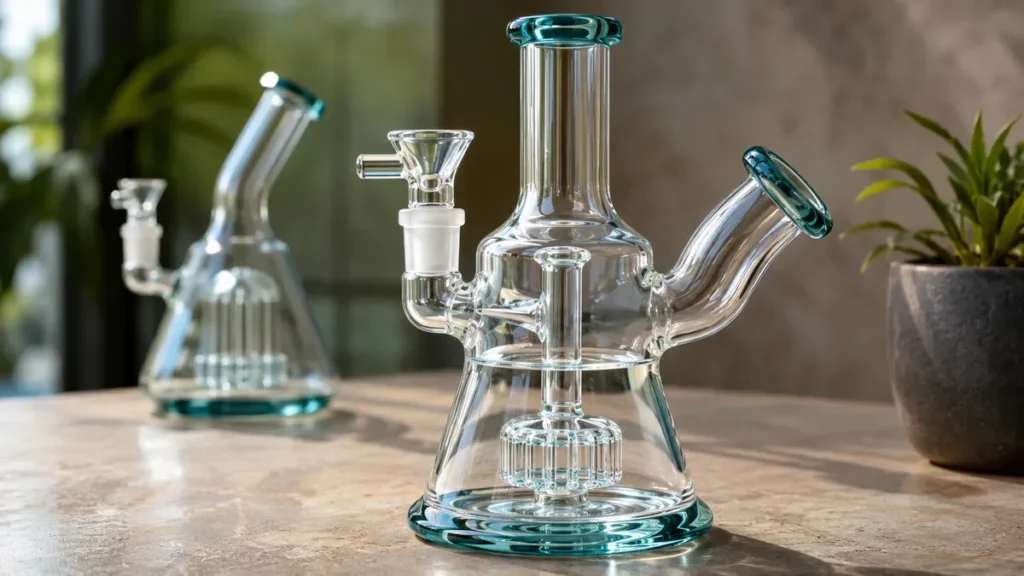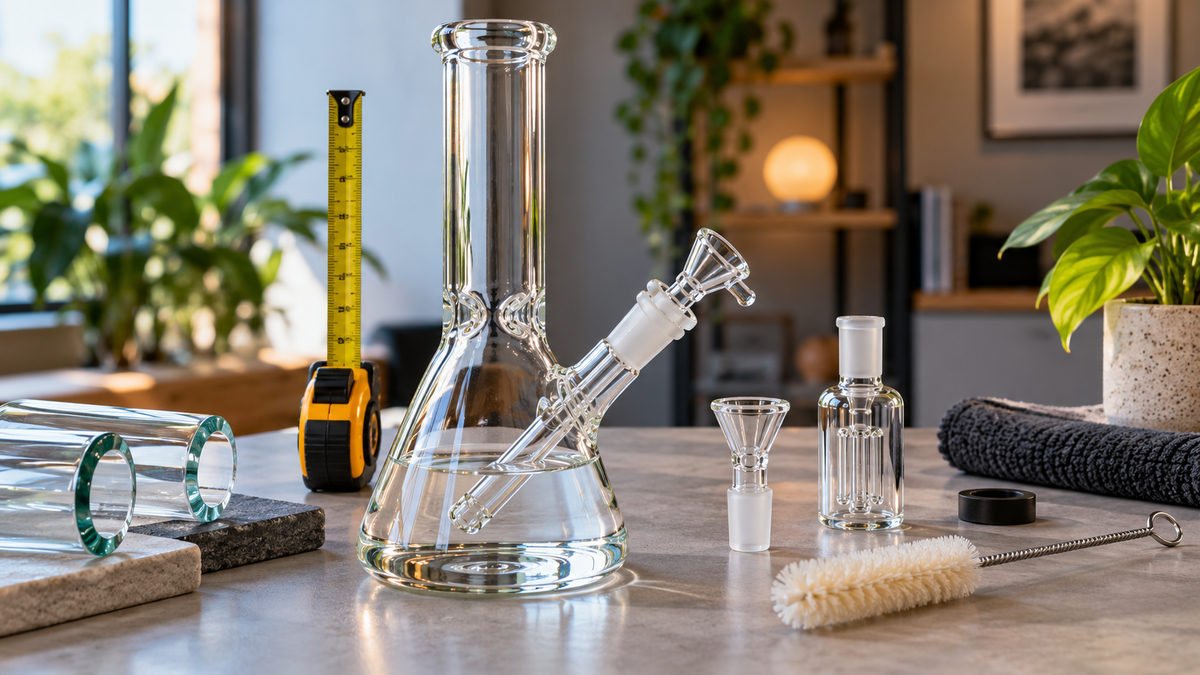
A bong can look impressive online yet feel awkward, fragile, or difficult to clean at home. These common bong buying mistakes often happen when beginners focus on appearance or price first. This bong buying guide covers size, materials, glass quality, filtration, cleaning, compatibility, accessories, pricing, and safer buying. You will learn how to choose a practical water pipe that suits your experience, lifestyle, storage space, and budget.
Common Bong Buying Mistakes That Lead to Buyer’s Remorse

Buying your first bong should feel straightforward. However, decorative features can distract from practical details that affect comfort, maintenance, and durability. A piece that looks excellent in photographs may not suit your daily routine.
Mistake 1: Choosing Based Only on Appearance
Bright colours, unusual shapes, and novelty designs can attract attention quickly. However, elaborate designs may create awkward airflow, uncomfortable mouthpieces, weak bases, or narrow cleaning pathways. A simple piece often performs more reliably for beginners.
Therefore, inspect the base, mouthpiece, joint placement, and chamber shape before judging the decoration. Ask whether you could comfortably hold, empty, rinse, and store the bong. Good design should support everyday use, not simply look impressive on a shelf.
Mistake 2: Buying Only for the Lowest or Highest Price
The cheapest bong may use thin glass, uneven joints, or poorly fitted parts. Meanwhile, the most expensive model may include advanced features you will rarely use. Price should reflect material quality, construction, warranty support, included parts, and replacement availability.
For example, a mid-range bong with a stable base and common joints may offer better value than a fragile budget piece. Additionally, premium craftsmanship matters more when it improves safety, cleaning, handling, or long-term durability.
Mistake 3: Ignoring Your Everyday Routine
Consider where you will store the bong and how often you expect to use it. A large water pipe may not suit a small apartment, shared household, or limited storage space. Likewise, a delicate design may create stress if several people access the same area.
Meanwhile, portability matters for users who move between rooms or travel legally with permitted accessories. Beginners usually benefit from a stable, uncomplicated design that fits their routine without demanding constant adjustment.
Mistake 4: Skipping Retailer Checks
Online buyers should review exact dimensions, materials, product photographs, customer feedback, return terms, and shipping protection. Look for clear images of the base, joints, bowl, mouthpiece, and downstem. Avoid listings that hide important specifications.
Furthermore, check whether the retailer explains replacement parts and handles breakage claims clearly. You can browse Sweet Puff Australia’s shop when comparing available accessories and water pipe designs.
Safety and Compliance
Always purchase and possess smoking accessories only where permitted. Follow applicable local laws, age requirements, private-use rules, and retailer conditions. Australian cannabis laws vary between states and territories, so check current guidance before making decisions.
For reliable general information, read Healthdirect’s cannabis guidance. Never drive, cycle, or operate machinery while impaired, and keep equipment away from children and pets.
How to Choose a Bong Size for Your Experience and Lifestyle
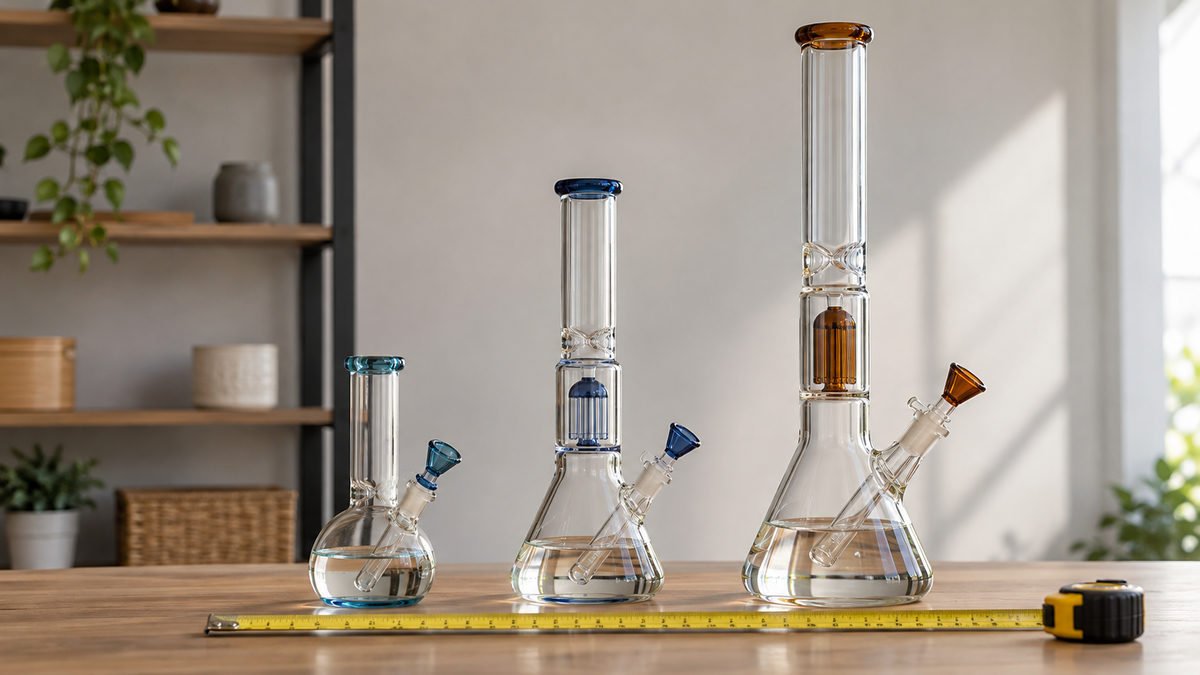
Bong size affects storage, stability, handling, water capacity, and cleaning time. However, height alone does not determine comfort or filtration. The best size depends on your experience, home environment, and maintenance tolerance. See how mini bongs vs full size bongs compare for everyday use.
Compact Bongs
Compact bongs need less storage space and feel easier to handle. They can suit users who value portability, discretion, or a smaller setup. Additionally, smaller pieces often use less water and take less time to rinse.
However, compact chambers provide a shorter cooling path. They may also hold less water and produce a warmer or harsher draw. A very small base can increase tipping risk, especially on crowded benches or uneven surfaces.
Medium-Sized Bongs
Medium-sized bongs often provide the most practical balance for beginners. They usually offer better stability, comfortable handling, manageable filtration, and reasonable cleaning access. Their size also suits many home setups without requiring a dedicated display area.
Therefore, a stable medium bong makes a sensible starting point for many users. Choose a straightforward shape with a broad base, comfortable mouthpiece, and commonly available replacement parts.
Large Bongs
A larger chamber does not automatically create a better experience. Large bongs usually require more water, occupy more space, and weigh more during cleaning. They can also create a stronger perceived draw that may feel overwhelming to inexperienced users.
Moreover, tall glass pieces carry greater breakage risk if they fall or catch on nearby objects. Their elaborate structures may also make storage and transport more difficult. Consider a large bong only when your space, handling habits, and cleaning routine support it.
Size and Filtration Work Together
Height alone cannot determine smoothness. Airflow, water level, downstem design, mouthpiece shape, and percolator construction all influence the draw. A shorter bong with thoughtful filtration may feel more comfortable than a tall piece with poor airflow.
Match the Bong to Your Lifestyle
A portable bong suits users who prioritise compact storage and easy handling. A desktop bong better suits frequent home use, stable placement, and users with enough room for a larger setup.
In contrast, limited storage favours a compact or medium design. Shared homes may require discreet storage, a stable tray, and secure access. Most beginners should start with a stable, uncomplicated medium-sized bong instead of the largest or most complex model.
Bong Materials, Glass Thickness, and Build Quality

The material affects flavour, durability, weight, cleaning, appearance, and handling. No material suits every buyer, so compare its strengths against your environment and routine. Choosing borosilicate glass bongs avoids the cracking problems of cheap glass.
Glass Bongs
Borosilicate glass remains popular because it offers clean flavour, clear visibility, and useful heat resistance. Transparent glass also helps you monitor water quality and residue buildup. Additionally, smooth glass surfaces make regular rinsing and deeper cleaning easier.
However, glass can still break when it is thin, unstable, poorly handled, or placed near hard surfaces. A strong material does not compensate for a narrow base or weak joint. Always consider construction quality alongside the glass type.
Silicone, Acrylic, and Ceramic
Silicone bongs offer flexibility, portability, and greater impact resistance. They may suit travel, shared storage, or users who worry about accidental knocks. However, lower-quality silicone may retain odours or affect taste, especially when cleaning remains inconsistent.
Acrylic models can feel lightweight and durable, but some users dislike their appearance or flavour. Ceramic pieces can offer distinctive designs and useful weight, although they may hide residue and require careful handling around glazed surfaces.
Why Glass Thickness Matters
Thicker glass generally improves impact resistance and adds stability. However, thicker glass also increases weight and does not fix poor welds, weak joints, or an unstable base. A well-made medium-thickness piece may outperform a heavy bong with careless construction.
How to Recognise Good Build Quality
Inspect the bong carefully before using it. Look for smooth joints, even glass, secure welds, a level base, comfortable mouthpiece edges, balanced weight, and clean openings.
- Check for chips, cracks, sharp edges, and visible stress marks.
- Confirm that the base sits flat without rocking.
- Look for clean, even openings around the joint and downstem.
- Ensure the mouthpiece feels comfortable against your lips.
- Choose a broad base with a low centre of gravity where possible.
A broad weighted base reduces tipping risk, especially for beginners and shared living spaces. Therefore, stability should matter as much as decoration or height.
Percolators, Downstems, Joints, and Bowl Compatibility
Percolators diffuse smoke through water, creating more bubbling and filtration. However, extra diffusion can also increase drag, splash, price, and cleaning time. More bubbles do not automatically mean a better bong. Check our guide to downstem sizes so your parts actually fit.
Common Bong Percolator Types
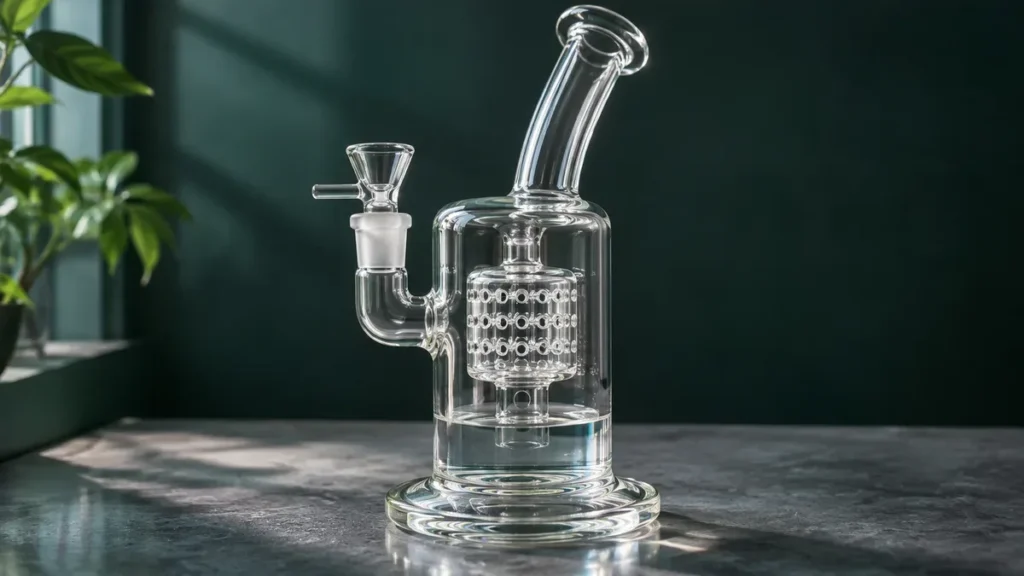
Tree, honeycomb, showerhead, matrix, and inline percolators use different pathways to move air through water. Some focus on increased bubbling, while others prioritise airflow or compact construction. Compare the design with the cleaning access it provides.
A simple, well-designed percolator usually suits most beginners. Stacked or intricate systems may look impressive, but they can be harder to clear, rinse, and maintain. Residue can collect in small openings and enclosed chambers.
Fixed and Removable Downstems
Fixed downstems have fewer loose parts and often require less adjustment. They can create a simple setup with fewer compatibility questions. However, damage may require professional repair or replacement of the entire bong.
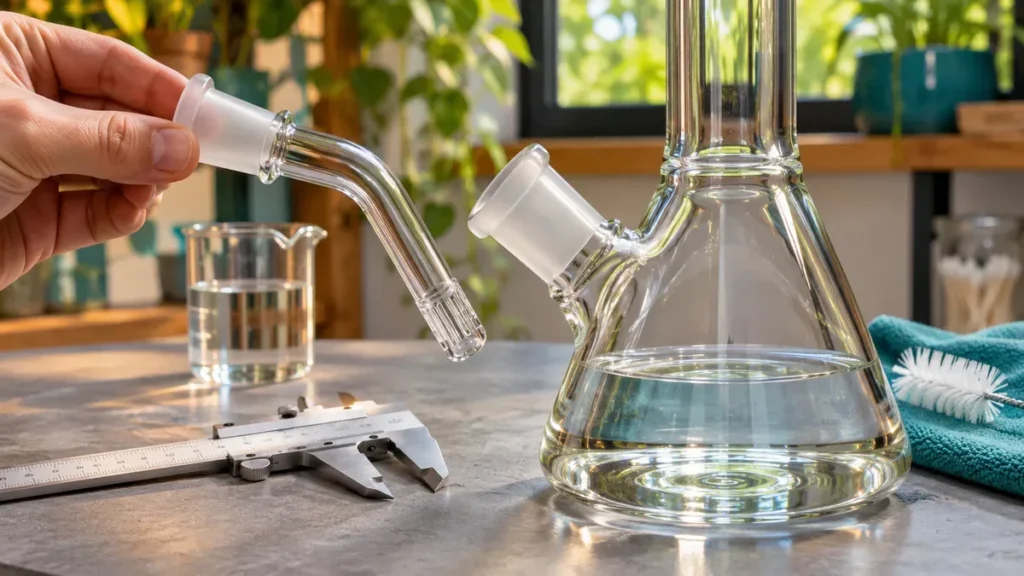
Removable downstems offer easier replacement and more customisation. They also make some cleaning tasks simpler. However, you must confirm the correct length, joint size, and seal before ordering replacement parts.
Joint and Bowl Compatibility
Common joint sizes and gender configurations affect bowl, downstem, ash catcher, and adapter compatibility. Always confirm measurements before buying accessories. A bowl that appears similar may still fail to seal correctly.
Smaller bowls can help control material use and encourage more frequent refilling. Larger bowls may reduce refilling, but they can increase airflow demands and cleaning time. Choose the size that matches your routine rather than assuming bigger works better.
Compatibility Checklist
- Confirm the joint diameter and joint gender.
- Check the downstem length and connection style.
- Verify the bowl connection and included adapter.
- Review water-level requirements before filling.
- Check whether replacement bowls, seals, and downstems remain available.
Cleaning, Maintenance, and Accessories Beginners Often Overlook
Cleaning difficulty should influence your buying decision from the beginning. Narrow tubes, enclosed percolators, multiple chambers, and reclaim pathways can trap residue. Consequently, complex designs may demand more time than beginners expect. Follow a simple glass bong maintenance checklist from day one.
Choose an Easy-to-Clean Bong
Look for wide openings, accessible chambers, fewer percolators, removable parts, simple downstems, and smooth interiors. Readily available replacement components also reduce frustration after ordinary wear. A bong you can clean easily will usually remain more pleasant to maintain.
Practical Bong Maintenance Tips
Change the water regularly and rinse the piece after use. Perform a deeper clean with a suitable bong cleaner when residue, odour, or restricted airflow appears. Handle glass carefully, and let every part dry completely before storage.
Cleaning frequency depends on how often you use the bong and how quickly residue builds up. Some users change water after every session, while others follow a consistent routine based on odour and airflow. Most importantly, do not allow stale water to sit for extended periods.
Useful Accessories for Beginners
- A compatible cleaning brush for the chamber and downstem.
- A suitable bong or pipe cleaning solution.
- A spare bowl or replacement seal where applicable.
- A replacement downstem for compatible removable designs.
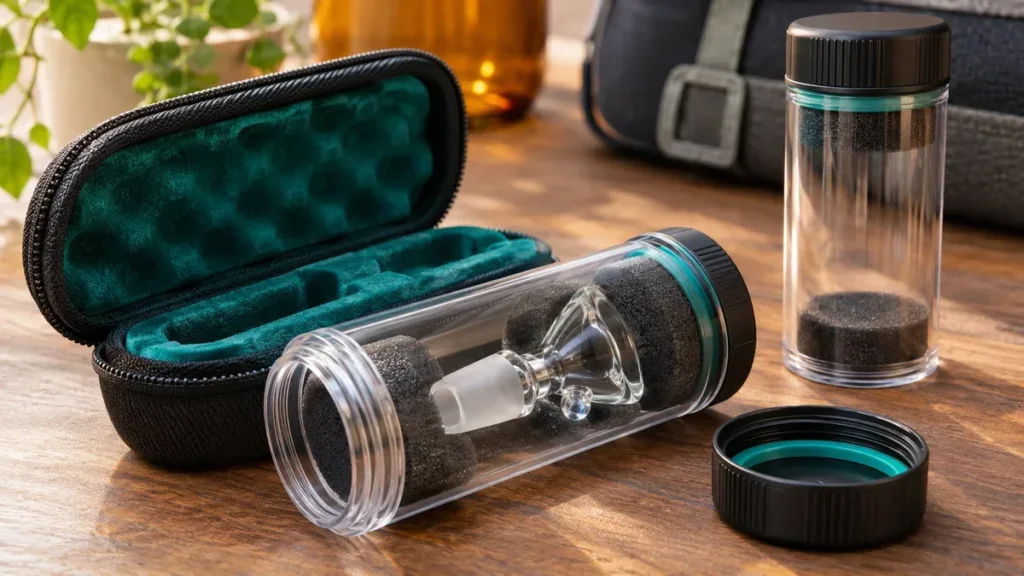
- A storage case, stable tray, or protective mat.
Avoid buying ash catchers, adapters, bowls, or downstems without checking joint dimensions and clearance. An accessory may fit the diameter but still fail because its gender, length, or angle differs.
Keep all equipment away from children and pets. Never use cannabis before driving or operating machinery, and follow applicable health and legal guidance in your location.
A Practical Bong Buying Checklist for Every Budget
Before buying in a store, test the bong’s stability, base width, mouthpiece comfort, joint alignment, and overall balance. Check the bowl fit, downstem condition, material quality, and visible defects. If possible, confirm that the parts can be removed without forcing them. For the full process, read how to choose a glass bong.
Before buying online, verify the exact height, width, material, glass thickness, joint configuration, bowl details, downstem specifications, and water-fill guidance. Also review included accessories, customer feedback, return terms, shipping protection, and retailer reputation.
What Should a Bong Cost?
Bong pricing should reflect material quality, craftsmanship, design complexity, included parts, brand support, and replacement availability. Size and decoration alone should not determine value. A large decorative piece may offer less practical value than a simpler, better-built model.
- Basic models: Focus on straightforward function, easy handling, and simple maintenance.
- Mid-range models: Often balance stronger construction, better stability, comfort, and useful filtration.
- Premium models: May offer refined craftsmanship, advanced designs, or distinctive artistic details.
The most expensive bong will not necessarily deliver the best experience. Therefore, prioritise safe materials, stable construction, comfortable handling, easy cleaning, and compatible replacement parts before adding advanced percolators.
A Beginner-Friendly Buying Framework
- Choose compact designs when portability and limited storage matter most.
- Choose stable medium designs for general home use and balanced performance.
- Choose silicone when impact resistance matters more than glass clarity.
- Choose simple glass when flavour, visibility, and easy cleaning matter most.
- Choose advanced percolation only when you accept extra maintenance.
Before checking out, confirm that the bong is legal to purchase and possess in your location. Make sure it fits your storage space, stays within budget, and can be maintained consistently. You can also explore Sweet Puff Australia’s product categories when comparing different styles.
For additional buying information, visit the Sweet Puff Australia blog. The most useful comparison usually involves two or three suitable models, not every available design.
Conclusion
The best bong is not necessarily the biggest, most expensive, or most elaborate. Beginners should prioritise stable construction, suitable size, compatible joints, manageable filtration, easy cleaning, and comfortable handling.
Use the checklist to compare a few suitable models. Verify dimensions and compatibility, read recent customer feedback, and choose the simplest bong that meets your needs and budget.
Sweet Puff Australia brings together water pipes, glass designs, and smoking accessories for adults comparing practical options. Review product details carefully, then choose equipment that suits your storage space, maintenance habits, and local requirements.