

Ever stood in a shop wondering whether a beaker, straight tube, bubbler, or recycler suits you best? The range of glass designs can feel confusing, especially when each shape promises smoother airflow. This guide to types of glass bongs explained covers shapes, filtration, glass quality, sizes, cleaning, and buying tips. You will learn what each design does, where it works best, and which features may create extra maintenance. Always follow Australian laws and use smoking accessories responsibly.
Types of Glass Bongs Explained: How They Work

A glass bong is a water-filtration device made from glass. It usually includes a bowl, downstem, water chamber, mouthpiece, and stable base. The design allows smoke to pass through water before you inhale it. However, water does not remove every toxin or eliminate the health risks linked with inhaling smoke. Our glass water pipe anatomy guide names each part.
The basic airflow path is simple. You place material in the bowl and draw through the mouthpiece. Smoke travels through the downstem, bubbles through the water, moves into the chamber, and then reaches your lungs.
Water can cool the smoke and catch some larger particles. Therefore, many people find water filtration less harsh than a dry pipe. However, cooler smoke does not make smoking safe. For reliable information about cannabis risks and Australian regulations, read the guidance from healthdirect.
Key Glass Bong Terms
Several parts affect airflow, comfort, and cleaning. The joint connects removable pieces, while the downstem carries smoke into the water. The bowl holds the material, and the mouthpiece forms the opening you draw through.
- Ice catcher: Holds ice above the water for extra cooling.
- Percolator: Breaks smoke into smaller bubbles for added diffusion.
- Ash catcher: Adds filtration and keeps some residue out of the main chamber.
- Base: Supports the bong and improves stability.
- Joint size: Determines which bowls, downstems, and accessories will fit.
More bubbles do not automatically mean better performance. In fact, airflow depends on water level, diffusion, draw resistance, chamber shape, and cleanliness. A complex bong may feel smooth but still require frequent soaking and careful handling.
The main categories include beaker bongs, straight tubes, bubblers, recyclers, multi-chamber designs, gravity bongs, and scientific glass pieces. Each category balances cooling, stability, portability, maintenance, and price differently.
The Main Glass Bong Styles and Their Best Uses

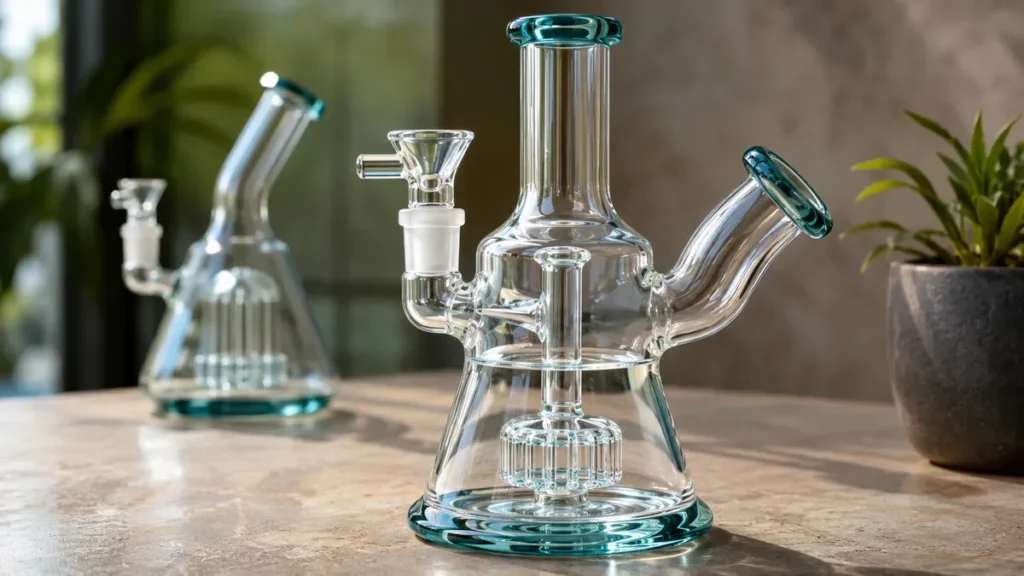
Different bong shapes suit different routines. A large home setup may prioritise stability and cooling, while a compact piece may focus on storage and portability. Understanding each style helps you avoid paying for features you will not use. We compare the most common bong base shapes side by side.
Beaker Bong
A beaker bong has a wide, flared base that resembles laboratory glassware. This shape gives it strong stability and a larger water capacity. Therefore, it often suits home use and beginners who want an understandable design.
The wider chamber can provide a comfortable draw and a longer cooling path. However, beaker bongs need more storage space than slim straight tubes. Their wider chambers may also take longer to rinse and clean thoroughly.
Straight Tube Bong
A straight tube bong uses a slim, vertical chamber with direct airflow. Its narrow footprint fits neatly on shelves and small tables. Additionally, the simple shape usually makes the chamber easier to clean.
However, straight tubes can feel less stable than beaker designs. Their direct draw may also feel stronger and less forgiving. A stable base and suitable downstem can make a noticeable difference.
Bubbler Bong
A bubbler combines bong-style water filtration with a smaller, portable body. It works well for people who need discreet storage or occasional transport. Many bubblers include built-in bowls and downstems.
The smaller chamber uses less water and may offer less cooling. Moreover, a small bowl and tighter airflow can feel different from a full-size bong. Bubblers suit portability, but they may need more frequent water changes.
Recycler Bong
A recycler uses internal tubes to circulate water through the piece. This movement can increase air and water contact while producing a smooth draw. The design also creates an interesting visual effect during use.
However, recyclers cost more because they use complex glass pathways. Narrow tubes can collect residue and make cleaning difficult. They suit experienced users who understand airflow and accept extra maintenance.
Multi-Chamber Bong
A multi-chamber bong sends smoke through two or more chambers. This layout can add cooling and filtration before the smoke reaches the mouthpiece. Some designs combine separate percolators with connected water chambers.
More chambers also create more drag, weight, and breakable parts. Therefore, these bongs need careful storage and regular cleaning. They suit users who value elaborate filtration and do not mind added upkeep.
Gravity Bong
A gravity bong uses water and pressure changes to draw smoke into a chamber. This creates a concentrated draw that feels different from standard water pipes. It does not automatically provide a better experience.
Gravity designs usually offer limited portability and require careful handling. The stronger draw may also feel unsuitable for beginners. Always use such products only where legal and avoid treating intensity as a measure of quality.
Scientific Glass Bong
Scientific glass describes a functional design approach rather than one specific shape. These pieces often use borosilicate glass, precision joints, modular parts, and engineered percolation. Beakers, straight tubes, and recyclers can all use scientific glass features.
| Style | Filtration | Airflow | Stability | Portability | Cleaning | Best suited to | Main drawback |
|---|---|---|---|---|---|---|---|
| Beaker | Moderate to high | Comfortable | High | Low to moderate | Moderate | Home users and beginners | Needs more storage space |
| Straight tube | Basic to moderate | Direct | Moderate | Moderate | Easy | Simple routines | Can feel less stable |
| Bubbler | Basic to moderate | Often tighter | Moderate | High | Easy to moderate | Portable use | Smaller chamber |
| Recycler | High | Smooth | Variable | Low | Difficult | Experienced users | Complex internal pathways |
| Multi-chamber | High | More drag | Variable | Low | Difficult | Advanced setups | Heavy and fragile |
| Gravity | Variable | Strong | Variable | Low | Moderate | Experienced users | Concentrated draw |
Percolator Bongs and Common Filtration Methods
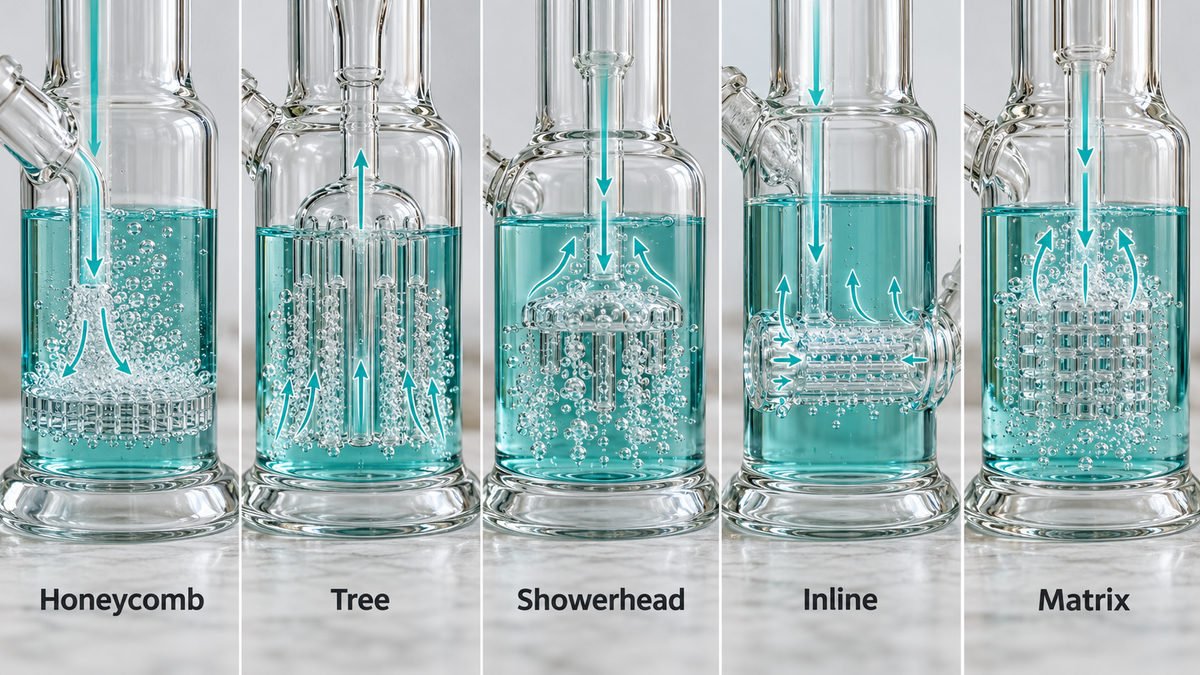
A percolator bong uses an extra glass filter inside the chamber. The percolator breaks airflow into smaller bubbles, increasing contact between air and water. This can improve cooling and diffusion, although it may also increase drag and cleaning time. Learn how the different percolator types actually work.
Honeycomb Percolator
A honeycomb percolator looks like a flat glass disc with many small openings. It creates strong diffusion and an even spread of bubbles across the water. Therefore, it can feel smooth when the water level and airflow match correctly.
However, the small holes collect residue quickly. You may need longer soaking and careful rinsing to clear each opening. Honeycomb designs suit people who value diffusion and accept more cleaning.
Tree Percolator
A tree percolator uses several vertical arms to create multiple diffusion points. The arms produce a distinctive bubbling pattern and can provide a smooth draw. Additionally, many people like the visual detail of this design.
The arms remain fragile and can trap residue in hard-to-reach areas. Therefore, tree percolators need careful transport, gentle cleaning, and suitable storage.
Showerhead Percolator
A showerhead percolator uses a central tube and a slotted or perforated head. It balances diffusion, open airflow, durability, and easier cleaning. This design often provides a practical middle ground for beginners.
Its wider openings may resist clogging better than tiny honeycomb holes. However, the final draw still depends on chamber size, water level, and the rest of the bong.
Inline Percolator
An inline percolator uses a horizontal tube with slots along its underside. The low-profile shape creates open airflow and fits neatly into many chambers. It can provide good diffusion without adding a tall internal structure.
Resin can build up inside the narrow slots over time. Consequently, an inline percolator benefits from frequent rinsing and occasional soaking.
Matrix or Disc Percolator
A matrix or disc percolator offers a broad diffusion surface with many openings. It can produce even bubbling and smooth filtration throughout the chamber. However, the large diffusion area may increase draw resistance.
This type suits users who prefer strong filtration and a slower draw. Meanwhile, people who prefer open airflow may favour a diffuser downstem instead.
Diffuser Downstem
A diffuser downstem creates basic diffusion through slits or holes at its lower end. It does not require a separate percolator chamber. Therefore, it often gives beginners a simple balance between bubbling, airflow, and cleaning.
Compared with complex percolators, diffuser downstems usually offer fewer trapped pathways. They also remain easier to replace when the joint size matches common accessories.
| Percolator | Filtration | Draw resistance | Splashback risk | Durability | Cleaning ease |
|---|---|---|---|---|---|
| Honeycomb | Very high | Moderate to high | Moderate | Moderate | Difficult |
| Tree | High | Moderate | Moderate | Lower | Difficult |
| Showerhead | Moderate to high | Low to moderate | Low to moderate | Good | Moderate |
| Inline | Moderate | Low | Low to moderate | Good | Moderate |
| Matrix or disc | High | Moderate to high | Moderate | Moderate | Moderate to difficult |
| Diffuser downstem | Basic to moderate | Low | Low | Good | Easy |
Which bong provides the smoothest filtration? There is no universal winner. Water volume, percolator design, draw speed, chamber shape, and personal preference all affect the result.
More percolation also brings trade-offs. Additional bubbling may increase cooling, but it can create more drag, splashback, complexity, and cleaning time. Therefore, choose a balanced design rather than the bong with the most chambers.
Glass Quality, Bong Size, Airflow, and Accessories
Borosilicate glass remains popular because it handles heat changes better than ordinary glass. It offers good clarity, heat resistance, and improved resistance to thermal shock. However, no glass bong is indestructible, even when it feels thick and sturdy. Most quality pieces use borosilicate glass bongs for heat resistance.
Glass thickness affects impact resistance, weight, and handling. Therefore, inspect seams, joints, welds, and the overall craftsmanship before buying. A poorly finished joint can cause fit problems, even when the chamber looks attractive.
- Small bongs: Easier to store and transport, but they often provide less cooling.
- Medium bongs: Offer a practical balance between filtration, stability, and cleaning.
- Large bongs: Provide longer cooling paths but need more space and water.
Larger does not always mean better. A tall bong may cool smoke through a longer path, yet it can become heavy and awkward. Moreover, large chambers usually take more time to empty, rinse, and store safely.
Downstem length, joint size, and bowl size also influence performance. An ice catcher can cool airflow, while an ash catcher can reduce residue entering the main chamber. However, each extra part creates another area that needs regular cleaning.
Useful accessories include replacement bowls, downstems, ash catchers, reclaim accessories, cleaning brushes, suitable alcohol-free cleaners, and storage cases. Modular parts can extend the useful life of a bong. Most importantly, confirm replacement sizes before buying an unusual design.
You can compare available glass water pipe categories and explore the broader Sweet Puff Australia shop when checking styles and accessories.
How to Choose a Glass Bong for Your Experience and Routine
Many beginners suit a simple beaker or straight tube with a diffuser downstem. These designs are stable, easy to understand, and relatively straightforward to clean. They also make it easier to learn how water level affects airflow. For a full checklist, see our guide to choosing a glass bong.
Choose a bubbler when portability matters most. Its smaller body fits discreet storage and occasional transport. However, the chamber may offer less cooling, and the smaller bowl can require more frequent refilling.
Choose a percolator bong when cooling and diffusion matter more than simple maintenance. Meanwhile, experienced users may prefer recyclers or multi-chamber designs. These options offer complex airflow but require more attention, cleaning, and careful storage.
Beaker or Straight Tube?
A beaker usually wins on stability and water capacity. A straight tube often wins on footprint, direct airflow, and cleaning access. Therefore, choose the beaker for a home setup and the straight tube for a slimmer, simpler arrangement.
Price should reflect more than size or decoration. Consider glass thickness, joint quality, craftsmanship, replacement-part availability, and retailer support. A slightly more expensive bong may provide better long-term value if parts remain easy to find.
- Borosilicate glass construction.
- A stable base suited to your storage area.
- A height that feels manageable.
- Accessible chambers and removable parts.
- Secure joints without visible gaps.
- A comfortable mouthpiece.
- Manageable water capacity.
- Compatible bowls, downstems, and accessories.
For easier cleaning, favour fewer chambers, wider openings, removable downstems, and accessible percolators. Avoid designs with many narrow internal pathways if you dislike soaking and brushing. Simple straight tubes and uncomplicated beakers usually offer the easiest routine.
How much water should you use? Start with enough water to cover the diffuser slits or downstem openings. Keep the level below the mouthpiece, then adjust for comfortable airflow and minimal splashback.
Only choose products where permitted by local law. Additionally, check age requirements and local regulations before buying or using smoking accessories. Sweet Puff Australia also provides a broader blog resource for practical product and accessory guidance.
Safe Cleaning, Maintenance, and Final Buying Checklist
Regular maintenance preserves airflow, flavour, clarity, and the useful life of glass components. Empty used water after each session and rinse removable parts where appropriate. Therefore, residue has less time to harden inside bowls, downstems, and percolators.
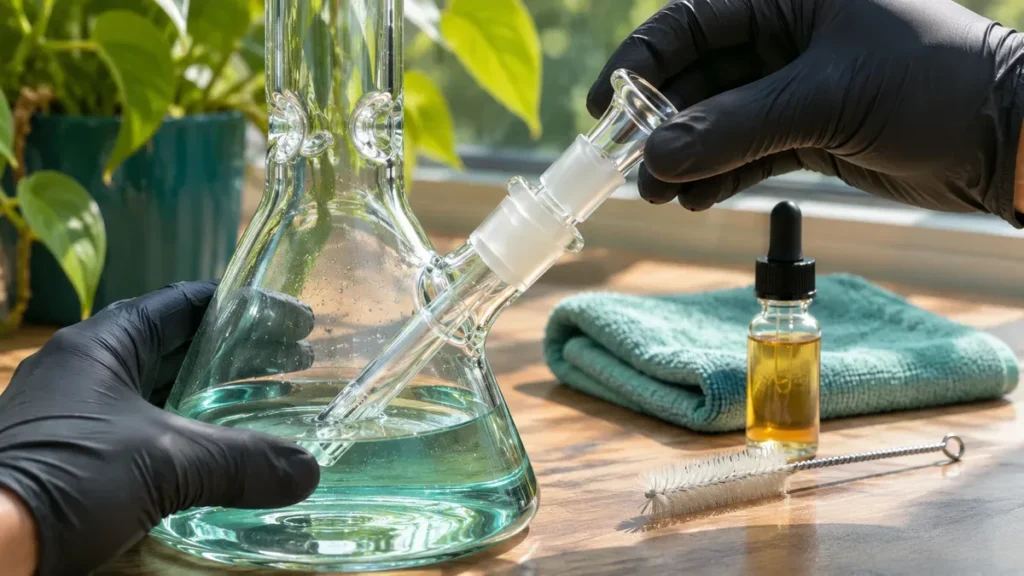
Use suitable cleaning supplies, warm water, protective gloves, soft brushes, and careful handling. Avoid boiling water because sudden heat can stress glass. Also, keep joints and percolators free from force during cleaning.
Never combine sudden temperature changes with physical pressure. Avoid blocked openings, aggressive scraping, and placing hot glass on cold surfaces. Instead, let the piece cool naturally before rinsing or soaking.
Honeycomb, tree, recycler, and multi-chamber designs may need longer soaking. Narrow pathways can require specialised brushes or repeated gentle rinsing. Simple straight tubes and beakers usually need less effort because their openings provide better access.
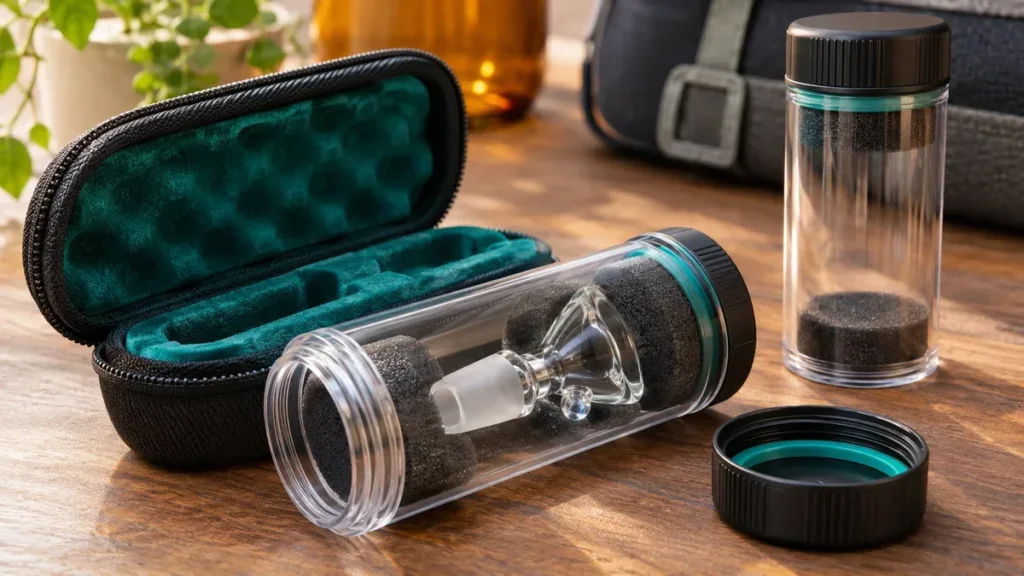
Store the bong upright on a stable surface. Separate removable parts when practical, protect fragile percolators, and keep the piece away from children and pets. A padded case can help when storing or transporting glass.
Quick FAQ
What is the difference between a bong and a bubbler? A bong usually has a larger chamber and separate removable parts. A bubbler offers a smaller, more portable body with limited water capacity.
What does the water do? Water cools smoke and captures some particles. However, it does not remove every harmful substance or make inhaling smoke risk-free.
Is a larger bong better? Not necessarily. Larger pieces may offer more cooling, but they also need more storage, water, cleaning, and careful handling.
Does extra percolation always improve the experience? No. More diffusion can add cooling, but it may also increase drag, splashback, fragility, and maintenance.
- Intended use and experience level.
- Size, stability, and portability.
- Filtration and preferred draw resistance.
- Cleaning effort and chamber access.
- Glass quality and joint craftsmanship.
- Replacement parts and accessory compatibility.
- Budget and retailer support.
- Local legal and responsible-use requirements.
Sweet Puff Australia brings together water pipes, glass designs, and practical accessories for adult customers. Explore the Sweet Puff Australia website to review available collections and product information.
Conclusion
The best glass bong depends on the balance between filtration, airflow, size, stability, portability, durability, cleaning effort, and budget. Beaker and straight tube designs often provide practical starting points. Bubblers suit portability, while percolator, recycler, and multi-chamber designs offer more complex filtration with added maintenance.
Use the checklist before buying, then verify borosilicate construction and replacement-part availability. Finally, choose a design that fits your experience, cleaning routine, budget, and local laws. A well-matched bong should feel manageable, stable, and simple to maintain.

Comment (1)
[…] Different bong types suit different priorities. Glass usually appeals to buyers who value appearance and flavour neutrality. Silicone and acrylic often attract shoppers who want lighter, more impact-resistant options. For a deeper look at each style, see our guide to the types of glass bongs. […]